


The Delicious Rebellion
For years, Instagram food trends have been a race toward the bright, the whimsical, and the impossibly perfect. We’ve seen unicorn frappuccinos, galaxy-glazed donuts, and towering, sprinkle-coated monstrosities. The vintage dark chocolate cake is the quiet,
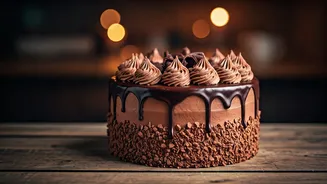
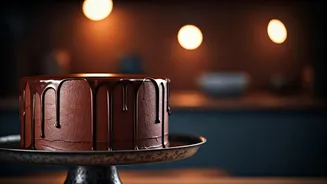
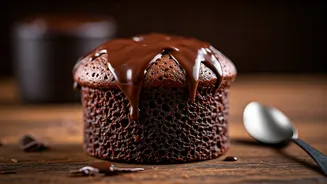
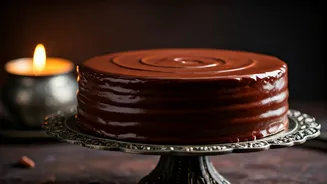
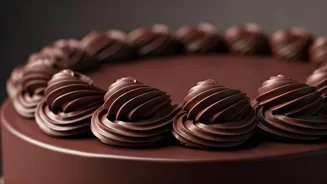
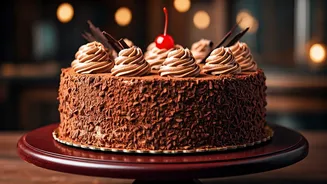
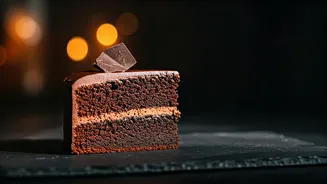
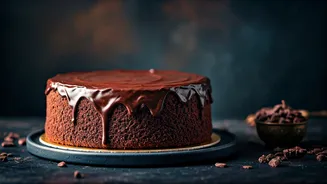
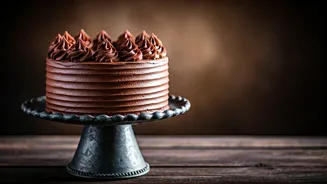
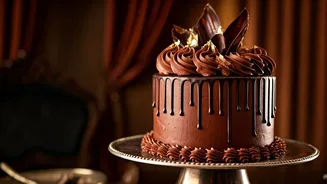
confident rebellion against all of that. It’s not about precision-cut fondant or a riot of artificial colors. Instead, its beauty lies in its rich, near-black tones, its glossy, imperfectly swirled frosting, and the deep, comforting promise it makes: this is a cake made to be eaten, not just admired. This trend embraces a 'less is more' philosophy, focusing on intense flavor and rustic charm. It’s a return to authenticity, a slice of comfort in a world saturated with digital perfection.
What Makes It 'Vintage'?
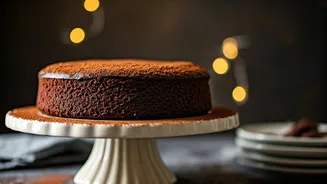
The “vintage” in the name isn’t about a single, specific recipe from a bygone era, but rather an evocation of a feeling. Think of the kind of cake your grandmother might have made from a treasured, handwritten recipe card. The cake itself is typically a Devil’s Food, old-fashioned fudge, or blackout cake, known for its deep color and moist, dense crumb. Often, a touch of hot coffee is used in the batter to “bloom” the cocoa powder, intensifying its flavor and color. The frosting is key; instead of a light, fluffy buttercream, this look calls for a rich ganache or a cooked fudge icing that’s poured or swooped on, creating glossy, dramatic swirls. The decoration is minimal—a dusting of cocoa powder, a sprinkle of flaky sea salt, or perhaps the marks left by a fork. It’s elegantly simple and effortlessly sophisticated.
The Nostalgia Factor
This trend is about more than just dessert; it’s part of a broader cultural shift towards nostalgic, comforting aesthetics like cottagecore and dark academia. In a fast-paced digital world, there's a growing desire for things that feel real, handmade, and timeless. Baking a cake from scratch, especially one that feels so traditional, connects us to a slower, more deliberate way of life. It’s a tangible act of creation that provides comfort and satisfaction far beyond the final photo. This cake doesn't just look good on a vintage plate; it tastes like a memory, even if it’s one we’ve only just created. It represents a cozy, romantic ideal that feels both escapist and deeply grounding.
Baking the Look
To capture the essence of this cake, focus on rich, dark ingredients. Use a high-quality, unsweetened Dutch-processed cocoa powder for a darker color and smoother flavor. Many classic Devil's Food or fudge cake recipes call for buttermilk or sour cream, which add moisture and a slight tang to balance the sweetness. The secret to a truly dark and flavorful crumb is blooming the cocoa in hot water or, even better, hot coffee. For the frosting, a simple ganache made from high-quality dark chocolate and cream is a perfect choice. Gently heat them together, let the mixture cool slightly, and then pour it over the cooled cake, using a spatula to guide it into luscious drips and swoops. Don't aim for perfection; the beauty is in the organic, rustic finish.
Mastering the Moody Shot
Photographing this cake is half the fun. To get that signature moody Instagram shot, lighting is everything. Avoid harsh overhead lights. Instead, use a single source of natural light, like a window, from the side. This technique, called side lighting, creates dramatic shadows that highlight the cake's texture and glossy frosting. You can enhance the shadows by using a black foam board or piece of cardboard opposite your light source to absorb excess light. Style the scene with props that fit the vintage aesthetic: a tarnished silver cake server, a crumpled linen napkin, an antique plate, or a dark, weathered wooden surface. The key is to create a story and an atmosphere that feels as rich and inviting as the cake itself.