




Tyres: Your First Line of Defence
The single most important check for a post-monsoon trip is your tyres. Roads are often damaged, with hidden potholes and loose gravel. Ensure your tyres have adequate tread depth, as worn tyres struggle to grip on slippery surfaces and can increase the
risk of aquaplaning on lingering wet patches. Check the tyre pressure, including the spare, before you leave. Incorrect pressure affects handling and braking, both of which are critical on winding hill roads. Look for any cuts, bulges, or uneven wear, as months of navigating bad roads can cause damage that isn't immediately obvious.
Brakes and Fluids: The Unseen Essentials
Driving in the hills is demanding on your vehicle's braking system. Constant uphill climbs and downhill descents require your brakes to be in top condition. If you notice any squealing, grinding, or a spongy feel in the pedal, get the brakes inspected immediately. The monsoon's humidity can also lead to moisture contaminating brake fluid, reducing its effectiveness. While you're at it, check all essential fluids: engine oil, coolant, power steering fluid, and windshield washer fluid. Topping these up is a simple step that prevents major mechanical issues on the road.
Visibility: Wipers, Lights, and Defogger
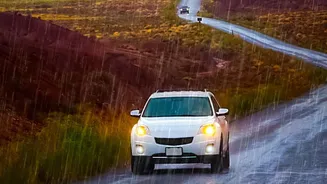
Post-monsoon weather is unpredictable. Bright sunshine can quickly give way to mist, fog, or a sudden downpour. Your ability to see and be seen is non-negotiable. Test your wiper blades; if they leave streaks or make noise, replace them. A full windshield washer fluid tank is crucial for clearing mud and grime. Check that all your lights are working—headlights (both high and low beam), tail-lights, indicators, and especially fog lamps. Also, test your car's air conditioning and defogger, as they are essential for quickly clearing a fogged-up windscreen in humid conditions.
Route Planning: Check for Closures and Conditions
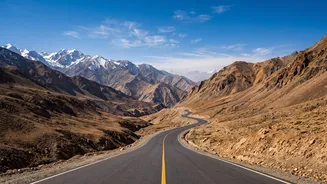
The monsoon reshapes the landscape, and roads that were perfectly fine last season might now be damaged or closed due to landslides. Before you leave, check for the latest traffic updates and road conditions. Recent reports from October 2026 show that long weekends can lead to severe congestion on popular hill routes like those to Shimla and Badrinath. Always have an alternate route in mind. Network coverage is often unreliable in the mountains, so download offline maps and inform someone of your intended itinerary.
Emergency Kit: Be Prepared for the Unexpected
Even with perfect planning, things can go wrong. A well-stocked emergency kit is your safety net. Beyond a standard first-aid kit, pack a powerful torch or headlamp, as hill towns can have power cuts. A high-capacity power bank is essential for keeping your devices charged. Also include a basic toolkit, jumper cables, and a tyre inflator. Given the possibility of getting stranded due to a landslide or traffic jam, carry extra water, dry snacks, and some warm clothing, as temperatures can drop suddenly.
Driving Discipline: Slow Down and Stay Alert
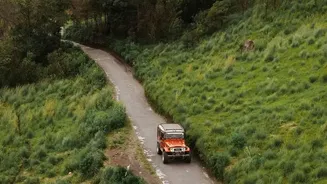
Driving in the hills requires a different mindset. Reduce your speed, especially on blind curves and narrow sections. Always give way to vehicles coming uphill. Use your horn to announce your presence on sharp bends. To maintain control on steep descents, use a lower gear (engine braking) rather than constantly riding the brakes, which can cause them to overheat and fail. Maintain a safe following distance, as stopping distances are longer on wet or gravelly surfaces. Be vigilant for falling rocks, debris on the road, and wildlife.