






A Tradition Under Scrutiny
For decades, the climax of Ganesh Chaturthi involved the immersion of magnificent idols into water bodies. However, many of these idols are crafted from Plaster of Paris (PoP), a non-biodegradable material. Painted with chemical-laden paints containing
heavy metals like mercury and lead, these idols pose a significant threat to aquatic ecosystems. When immersed, PoP can take months or even years to dissolve, slowly releasing toxins that contaminate the water, harm marine life, and can eventually enter the human food chain. This environmental fallout has not gone unnoticed, sparking widespread calls for change and a return to more sustainable practices.
The Rise of Conscious Celebration
At the forefront of this change are young devotees. Armed with greater awareness about climate change and environmental degradation, they are questioning old norms and seeking ways to align their faith with their values. For this generation, choosing an eco-friendly idol is more than a trend; it's a statement. It reflects a deep respect for nature and a desire to celebrate responsibly, ensuring that devotion doesn't come at the planet's expense. This shift is driven by a powerful blend of education, social media influence, and a genuine desire to protect the environment for future generations. Youth-led initiatives and awareness campaigns have been instrumental in highlighting the damage caused by PoP idols and promoting greener alternatives.
The Ingenuity of Seed Ganeshas
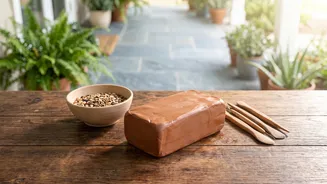
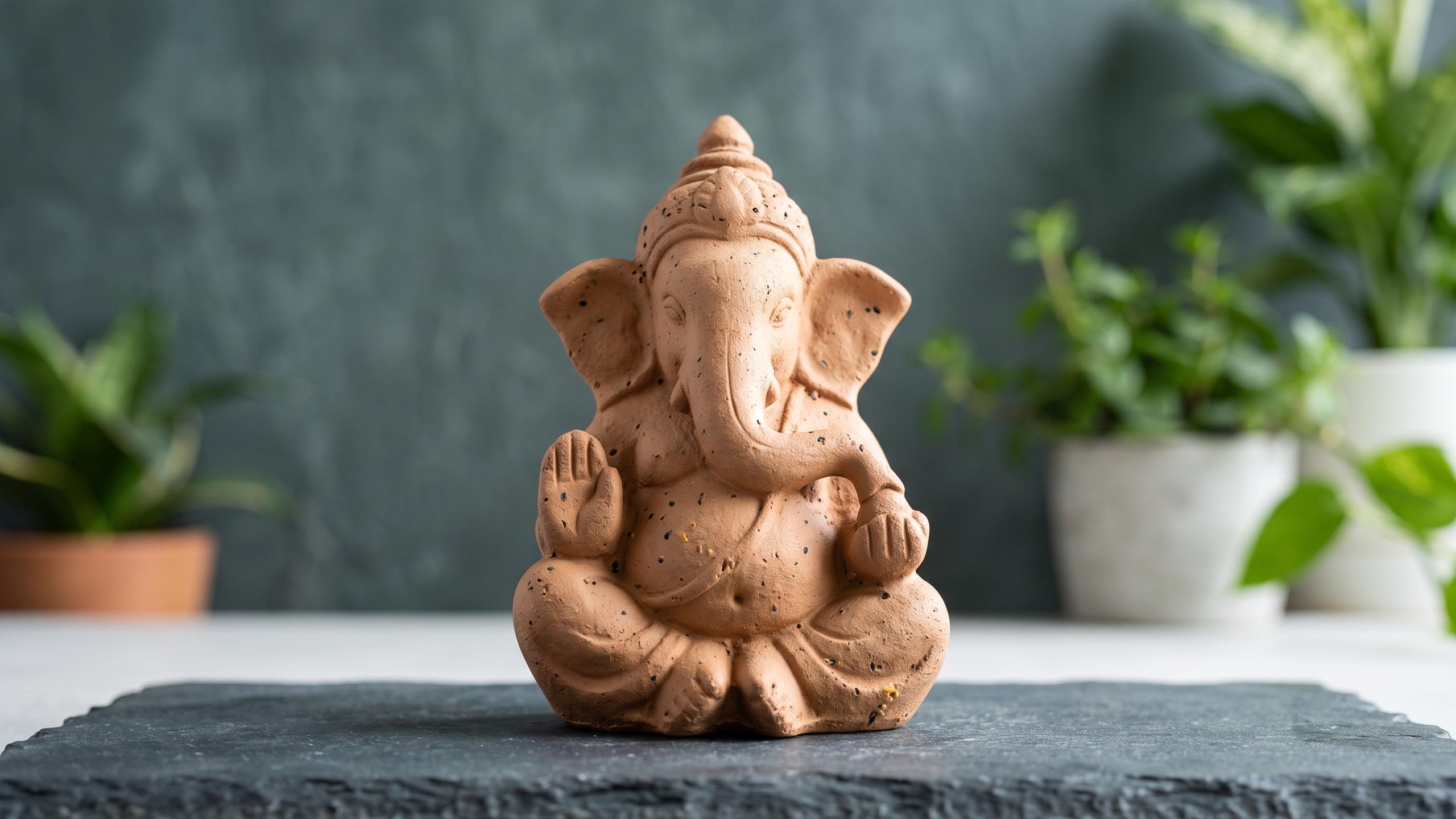
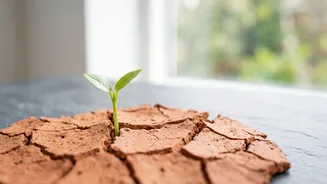
The most innovative solution to emerge from this movement is the 'Seed Ganesha'. These idols are crafted from natural clay or other biodegradable materials and embedded with plant or vegetable seeds. The concept transforms the ritual of immersion, or 'visarjan'. Instead of being submerged in a river or lake, the idol is placed in a pot at home and watered. As the clay dissolves, the seeds are released into the soil and germinate, eventually growing into a plant. This symbolic act turns a ritual of conclusion into one of new beginnings, where the deity returns to the earth and gives back in the form of new life. It's a powerful metaphor that resonates deeply with a generation eager to find harmony between tradition and sustainability.
Clay, Creativity, and Community
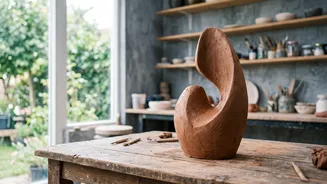
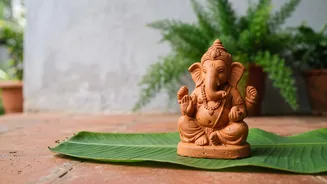
Alongside seed idols, there's a renewed appreciation for traditional clay Ganeshas, or 'shadu mati' idols. These idols, made from naturally occurring clay, dissolve quickly and harmlessly in water, fulfilling the spiritual purpose of the ritual without the ecological damage. The movement has also sparked a wave of creativity in decoration. Devotees are swapping plastic and thermocol for natural, biodegradable materials like flowers, leaves, recycled paper, and even spices. This DIY approach not only reduces waste but also fosters a sense of personal connection and community, with families and local groups often holding workshops to create their own idols and decorations.