

A Renaissance on the Menu
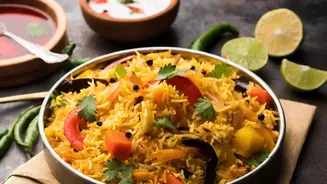
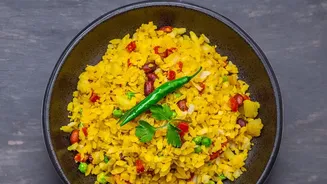
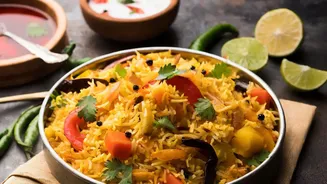
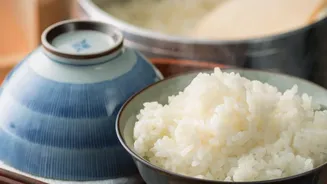
From five-star restaurants to bustling city cafes, chefs are looking beyond Basmati and Sona Masoori, rediscovering grains that offer unique flavours, textures, and stories. Take Gobindobhog, an aromatic, short-grained rice from West Bengal with a buttery
taste. Once reserved for festive Bengali dishes like payesh and khichuri, it's now finding its way into contemporary menus. Similarly, Kala Namak, a fragrant variety from Uttar Pradesh also known as 'Buddha Rice' for its legendary origins, is being celebrated for its earthy aroma and nutritional profile. This culinary interest has created a new market, transforming these once-forgotten grains into premium ingredients sought after by food lovers. This renewed demand from urban consumers and the hospitality industry is a key driver of the revival.
The Farmers and Seed Guardians
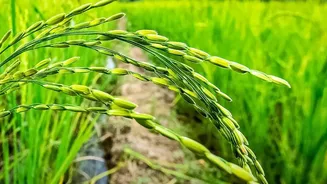
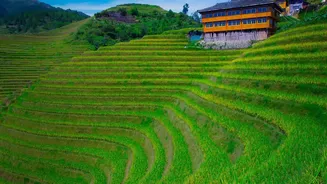
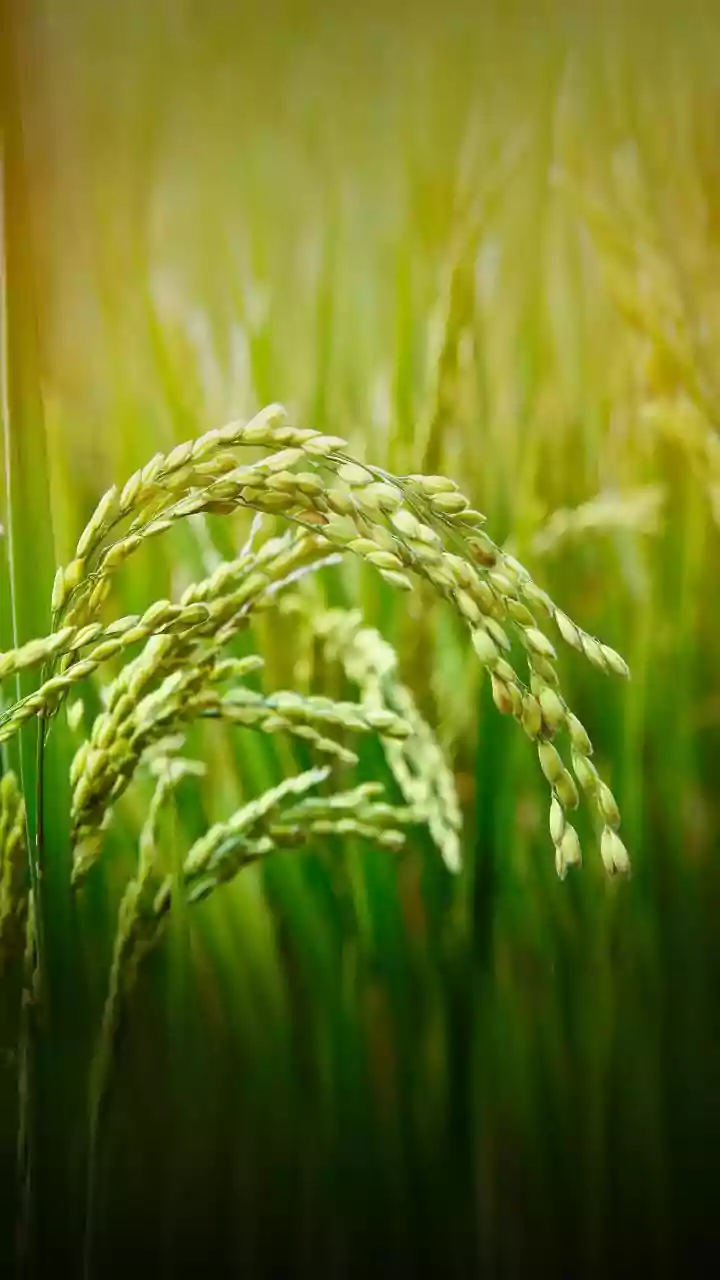
This movement isn't just happening in the kitchen; it starts in the fields. Across India, a network of farmers, conservationists, and NGOs are working to bring back these heirloom seeds from the brink. The Green Revolution, while crucial for food security, led to a focus on a few high-yield hybrid varieties, causing the loss of thousands of indigenous strains. Today, farmers are realising the value of their ancestral grains. Many of these traditional varieties are naturally resilient to local climate challenges like floods, droughts, and soil salinity. In the cyclone-prone Sundarbans, farmers are returning to salt-tolerant varieties like Lal Getu and Dudheswar, which survive where hybrids fail. Individuals like Sathyanarayana Beleri in Karnataka, who conserves over 650 traditional paddy varieties, are crucial 'seed guardians' ensuring this biodiversity is preserved for future generations.
More Than Just a Meal: Nutrition and Health
The renewed interest in traditional rice is also fuelled by a growing awareness of its health benefits. Many of these indigenous varieties, especially pigmented ones like red and black rice, are nutritional powerhouses compared to their polished white counterparts. For example, Karuppu Kavuni from Tamil Nadu is packed with anthocyanins, powerful antioxidants that are beneficial for heart health. Many traditional grains have a higher fibre content, which aids digestion, and are richer in essential minerals like iron and zinc. Some, like Kala Namak, have a naturally low glycemic index, making them a better option for people managing blood sugar levels. As consumers become more health-conscious, these nutrient-dense grains offer a wholesome alternative for daily meals.
A Taste of Identity
Ultimately, the return of regional rice is a reclamation of cultural identity. Each grain tells a story of a place, its people, and its traditions. The Geographical Indication (GI) tag awarded to varieties like Gobindobhog helps protect this heritage and ensures authenticity. In Tamil Nadu, the state government's Heritage Rice Mission actively promotes traditional paddies like Mappillai Samba and Poongar, recognising their cultural and agricultural importance. By choosing to cultivate and consume these grains, communities are not just eating; they are preserving a piece of their history. This revival is proving that the future of food may lie in rediscovering the incredible diversity of the past.