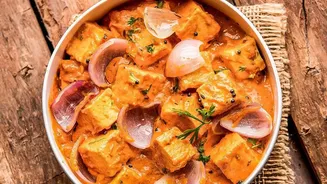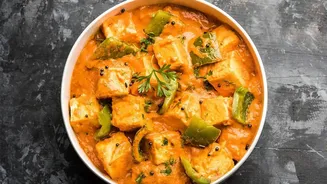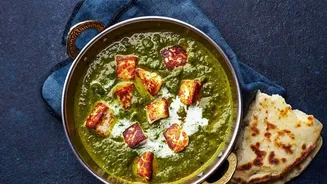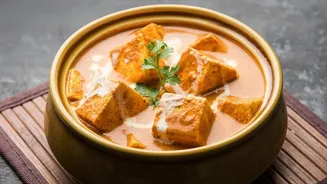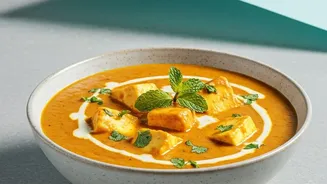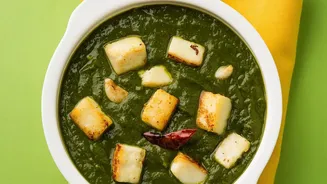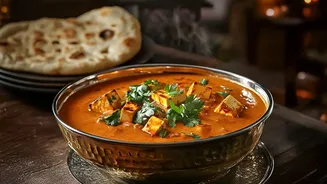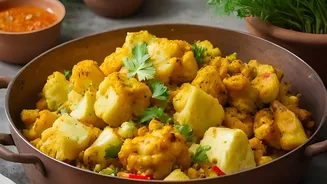




Ever wonder why the paneer gravy from your favorite restaurant tastes so rich and complex, while yours falls a little flat? The secret isn't a magical spice or a long list of fancy ingredients. It's all about technique.
The Foundation: A Perfect Masala Base
The heart of any great Indian gravy
is the aromatic base, typically made from onions, tomatoes, ginger, and garlic. The mistake many home cooks make is rushing this step. Restaurants achieve depth of flavor by patiently cooking down this mixture. Finely chopped or pureed onions should be cooked slowly until they turn a deep golden brown, releasing their natural sweetness. Then, ripe, high-quality tomatoes are added and cooked until they completely break down and the mixture thickens considerably. This isn't just about combining ingredients; it's about developing layers of flavor before any paneer even enters the pan.
The Secret Weapon: The Art of 'Bhuno'
The single most important technique that separates restaurant cooking from home cooking is 'bhuno'. This Hindi and Urdu term means to fry or roast, but in the context of a curry, it describes the process of patiently sautéing the masala base in fat over a steady heat. The goal is to cook the mixture until the raw smell of the aromatics and spices disappears and the oil begins to separate from the masala, often creating a glistening layer around the edges of the pan. This 'tel chhodna' (releasing the oil) is visual proof that the water content has been reduced and the flavors have concentrated. Mastering this slow-fry technique is more critical than having a dozen different spices.
Creaminess Without Just Cream
While many assume heavy cream is the only way to get that velvety texture, chefs often rely on other thickeners. Soaked cashews or almonds, blended into a fine paste with a little water, provide a rich, luxurious body to gravies like Paneer Butter Masala without the heaviness of dairy. This nut paste not also thickens but also adds a subtle sweetness that balances the tang of the tomatoes. Some recipes also use poppy seeds (khus khus) or melon seeds (magaz) for a similar effect. Even full-fat yogurt, whisked until smooth and added over low heat, can provide both creaminess and a pleasant tang.
The Power of a Few Whole Spices
An overflowing spice rack is not a prerequisite for a delicious gravy. In fact, many restaurant dishes rely on a few well-chosen whole spices to build an aromatic foundation. Blooming spices like cloves, green cardamom, a stick of cinnamon, and a bay leaf in hot oil or ghee at the beginning of the cooking process infuses the entire dish with a subtle complexity that ground spices alone cannot replicate. These whole spices release their essential oils into the fat, creating a fragrant base for the onions and tomatoes. A simple tadka, or tempering, of just one or two of these can elevate a dish from good to great.
The Final Flourish: Finishing Touches
How you finish the gravy is just as important as how you start it. A tiny pinch of sugar or a drop of honey is often used to balance the acidity of the tomatoes, not to make the dish sweet. The most crucial finishing ingredient is kasuri methi, or dried fenugreek leaves. Crushing the leaves between your palms before sprinkling them into the gravy in the last minute of cooking releases their unique, earthy aroma that is the signature of so many restaurant curries. Finally, a small dollop of butter added right at the end melts into the gravy, adding a final layer of richness and shine.