




Understanding the Rain-Shadow Effect
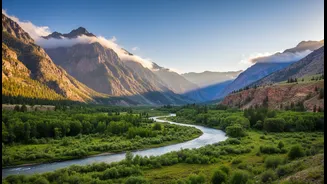
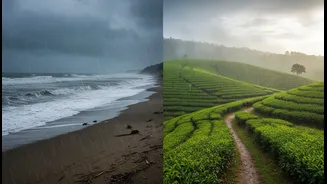
Imagine the mighty Western Ghats standing tall as the moisture-laden monsoon clouds roll in from the Arabian Sea. As the clouds are forced to rise over these mountains, they cool down and drench the windward side—think of the heavy rainfall in coastal
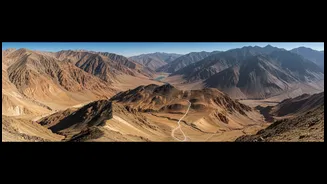
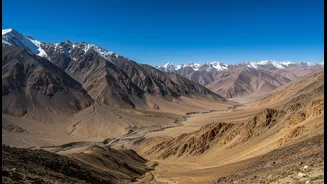
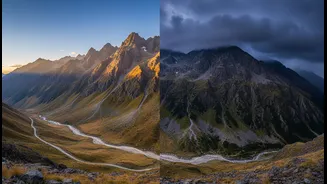
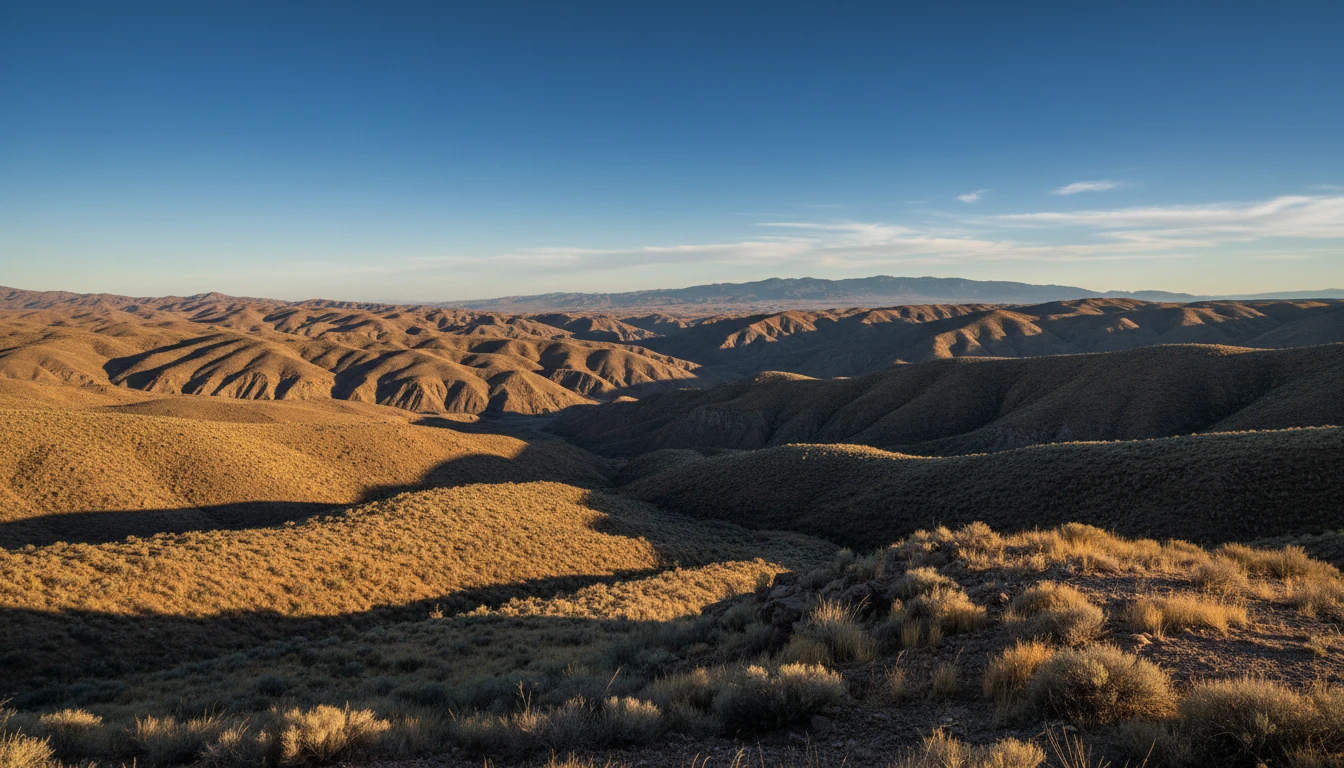
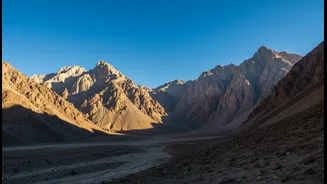
Maharashtra, Goa, and Kerala. By the time these clouds cross over the mountains, they've lost most of their moisture. The land on the other side, the leeward side, receives significantly less rainfall. This drier area is known as a rain-shadow region. It’s a simple geographical phenomenon that creates landscapes with dramatically different climates and ecologies existing side-by-side. The Deccan Plateau, lying to the east of the Western Ghats, is India's most prominent example.
The Appeal of the Dry Side
For weekend explorers, the advantages of visiting a rain-shadow area during the monsoon are manifold. The primary draw is predictable weather. While popular monsoon destinations might experience incessant downpours, these regions offer a more balanced experience—overcast skies, cool breezes, and intermittent, light showers instead of a constant deluge. This makes outdoor activities like driving, light trekking, and sightseeing more feasible and enjoyable. Moreover, these areas are often less crowded than their drenched counterparts. While tourists flock to places like Lonavala or Mahabaleshwar, the quieter landscapes of the rain shadow offer a more peaceful retreat. The unique beauty of these regions in monsoon—where semi-arid terrain meets dramatic, moisture-heavy clouds—creates a stunning visual contrast that is a paradise for photographers.
Weekend Getaways Near Mumbai and Pune
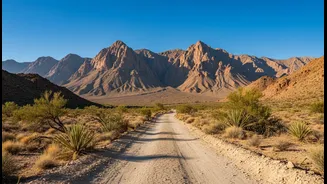
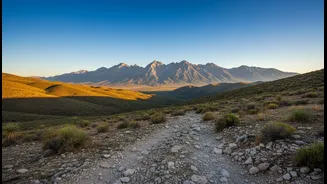
For residents of Mumbai and Pune, the most accessible rain-shadow adventures lie just beyond the familiar ghats. The area around Saswad and Jejuri, east of Pune, is a perfect example. A drive through Dive Ghat towards this region reveals a stark change in scenery. While the ghat itself is lush and green, the plateau opens up into vast, rolling grasslands. During the monsoon, these arid landscapes spring to life with a unique palette of colours. It's a prime location for spotting grassland birds and wildlife that thrive in this ecosystem. The journey itself, with smooth roads and minimal traffic compared to the expressway, becomes part of the experience. The historic temple town of Jejuri, with its fort-like structure, stands out against the dramatic monsoon sky, offering a mix of cultural and natural exploration.
A Different Kind of Monsoon Beauty
The beauty of a rain-shadow landscape during the monsoon is subtle and profound. It’s not about roaring waterfalls and dense evergreen forests. Instead, it’s about the fragrance of wet earth in a dry land, the sight of windmills turning slowly against a grey sky, and the vibrant green flush on what is typically brown terrain. It’s about experiencing the mood of the monsoon without being confined by it. This kind of travel encourages a different pace—one that is slower, more observant, and deeply connected to the unique ecology of the region. It’s a chance to appreciate the resilience of nature and discover a landscape that reveals its secrets to those willing to look beyond the obvious.
Travel Smarter, Not Harder
Exploring these offbeat destinations is rewarding, but a little planning goes a long way. While the rain is lighter, it's still the monsoon, so packing a light rain jacket is wise. The roads are generally in good condition, but it's always a good idea to check for local updates, especially on routes that might be affected by regional events or processions. Most importantly, embrace the spirit of exploration. These areas offer a different narrative of the Indian monsoon, one that is less about seeking shelter from the rain and more about finding beauty in the spaces between the clouds. It's a reminder that sometimes, the most rewarding journeys are found on the path less travelled.