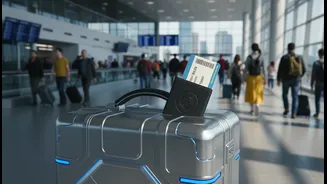









The Rise of the Micro-Break
For many young Indians, the idea of saving up all year for one big holiday has been replaced by a more spontaneous approach. Enter the micro-break: short trips, often lasting just a weekend or a few days, taken multiple times throughout the year. According
to a recent Airbnb report, a staggering 87% of Indian Gen Z travellers prefer trips that last under a week, with seven in ten opting for three short trips over a single long one. This isn't just about seeing new places; it's a form of self-expression and a way to disconnect from routine. For this generation, travel is less of a meticulously planned event and more of a reflexive response to an open weekend or the need to simply rest and recharge.
Why It Appeals to the Anti-Itinerary Generation
The appeal of the micro-break lies in its flexibility and focus on personal experience over tourist traps. Gen Z has been dubbed the 'anti-itinerary' generation, with 95% wanting their trips to feel personal and unique rather than pre-planned. The destination is often secondary to the experience itself, whether it's discovering a unique stay, exploring local food, or just having uninterrupted time with friends. In fact, three in four young travellers say who they travel with is more important than where they go. This shift is also driven by a desire for spontaneity, with two-thirds booking their trips within just days or weeks of travel, not months in advance.
The Hidden Financial Drain
While freeing, the micro-break lifestyle has a significant downside: hidden costs. Taking multiple trips means paying multiple sets of fees. Think about it: every time you book a flight or a stay, you're likely paying service fees, convenience charges, and other surcharges that are small on their own but accumulate rapidly over several trips. This is the financial equivalent of death by a thousand cuts. Spontaneous, last-minute bookings often come with premium price tags, as both flight and accommodation prices surge closer to the travel date. You might also face higher per-night costs for shorter stays and miss out on weekly discounts. It's a cycle where the convenience of a quick getaway is paid for with a higher overall travel spend.
Smarter Ways to Book Transport
The key to sustainable micro-breaks is taking control of your transport costs. Instead of booking impulsively, try to be flexible with your travel dates. Flying on a Tuesday or Wednesday is often cheaper than on a weekend. Using tools like Google Flights to compare prices is a great start, but always try to book directly with the airline to avoid extra fees from online travel agencies. For shorter distances within your region, consider overnight buses or trains, which can save you the cost of one night's accommodation and are often more economical than last-minute flights. Finally, enrolling in airline loyalty programs is a no-cost way to earn points and gain access to member-only perks that can reduce costs over time.
Reducing Your Accommodation Spend
Just like flights, accommodation costs can be managed with a bit of strategy. While spontaneity is part of the appeal, booking accommodation even slightly in advance can unlock better rates. Keep an eye on prices even after you've booked a refundable stay; if the rate drops, you can often rebook at the lower price. For group trips, a shared home or apartment is often more economical than booking multiple hotel rooms. Don't overlook the power of hotel loyalty programs, which can offer perks like free nights, upgrades, and complimentary breakfast. Finally, when booking on platforms, be wary of 'resort fees' or extra service charges that can inflate the final price significantly.