






The Old Way: A System of Spot-Checks
Traditionally, the food safety system has been reactive. A food inspector visits a shop or restaurant, takes a sample of a finished product, and sends it for testing. If the product fails the test, action is taken against the seller. While simple in theory,
this model has significant limitations. It places the burden of safety on the last link in a long chain—the retailer—who often has no control over how the food was grown, processed, or transported. This approach can catch some problems but does little to prevent them from occurring in the first place, leading to a cycle of recalls and enforcement actions rather than systemic improvement.
The New Vision: A 'Farm-to-Fork' Philosophy
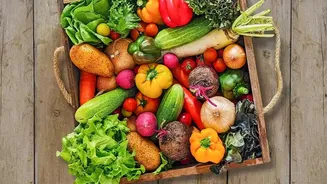
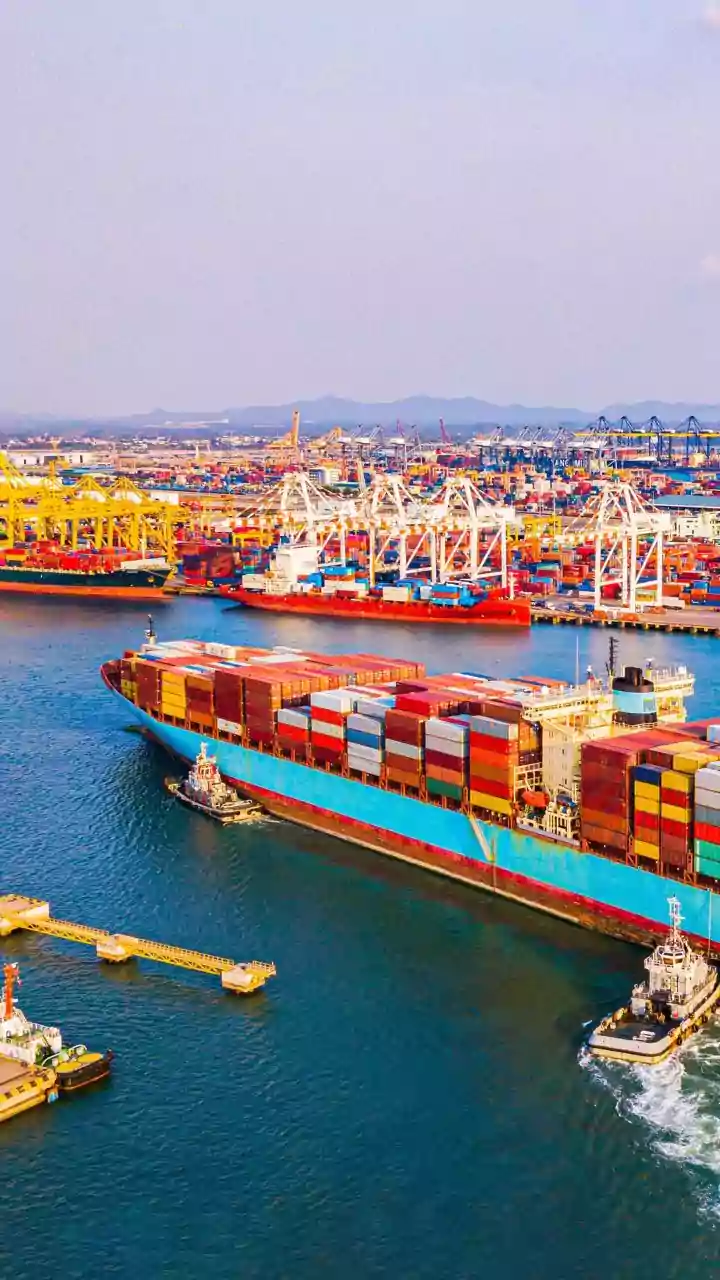
The proposed new framework, driven by the Food Safety and Standards Authority of India (FSSAI), is a fundamental shift from reactive to proactive. The goal is to build a system that monitors and secures the entire food supply chain, a concept widely known as 'farm-to-fork' safety. This means implementing checks and balances at every stage: cultivation, harvesting, processing, packaging, transportation, and storage. The idea is that if every step is safe, the final product is almost guaranteed to be safe, reducing the reliance on last-minute inspections and building consumer trust from the ground up.
Traceability and Technology at the Core
A cornerstone of this new approach is traceability. Imagine being able to scan a code on a food product and see its entire journey—from the farm where the raw materials were sourced to the date it was packaged. This is the future FSSAI is working towards, leveraging technologies like digital databases and potentially blockchain to create a transparent and accountable supply chain. Another key component is the introduction of a risk-based inspection system. Instead of random or calendar-based checks, this smart system will use data to prioritise inspections for businesses that are considered higher risk based on factors like the type of food they handle, their compliance history, and surveillance data. This allows regulators to focus their resources where they are needed most.
What Changes for Businesses and Consumers?
For food businesses, especially manufacturers, this means greater responsibility. Recent amendments to regulations require producers to maintain meticulous records and scientific evidence to back their safety claims, with a particular focus on data relevant to Indian consumption patterns. While this increases the compliance burden on manufacturers, recent reforms have also aimed to simplify things for smaller businesses. The FSSAI has introduced perpetual validity for licenses, removing the need for periodic renewals and reducing administrative paperwork. For consumers, the ultimate benefit is safer food and greater confidence. A farm-to-fork system aims to reduce the incidence of foodborne illnesses and contamination. Enhanced traceability also means that in the event of a problem, the source can be identified and isolated much faster, preventing wider outbreaks.
Challenges on the Road Ahead
Implementing such a sweeping overhaul is not without challenges. It requires significant investment in technology and infrastructure, including expanding India's network of food testing labs. Training farmers, small producers, and business operators across the country on new standards like Good Agricultural Practices (GAP) and Good Manufacturing Practices (GMP) is a mammoth task. Furthermore, ensuring a smooth transition and effective collaboration between central authorities, state governments, and the millions of stakeholders in the unorganised sector will be critical for the plan's success. While the vision is clear, the journey to a fully integrated and proactive food safety ecosystem will be a long and complex one.