



The Vegetarian's Protein Puzzle
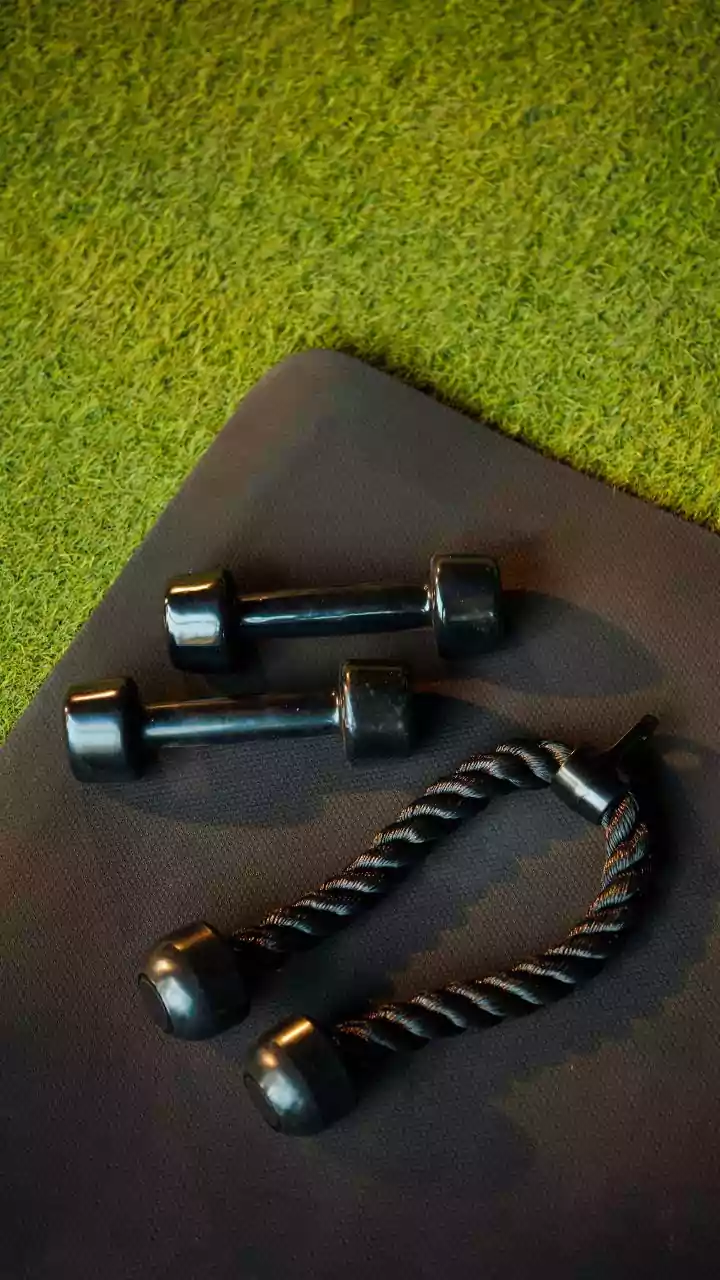
For anyone focused on fitness, protein is a non-negotiable macronutrient. It’s essential for repairing and rebuilding the muscle fibres that are broken down during exercise. A common concern for those on a vegetarian diet is not just getting enough protein,
but getting the right kind. Animal proteins are often cited as the gold standard because they are 'complete', but this doesn't mean plant-based diets are inferior. Recent studies have shown that when total protein intake is adequate, vegetarian and omnivorous diets can support comparable rates of muscle growth and repair. The key lies in understanding how to strategically source your protein from the plant kingdom to ensure your body gets all the tools it needs for efficient muscle synthesis.
Understanding Amino Acids and Complete Proteins
Think of protein as a structure built from 20 different building blocks called amino acids. Your body can produce 11 of these on its own, but there are nine, known as 'essential amino acids', that you must get from your diet. A food source that contains all nine of these essential amino acids in sufficient quantities is called a 'complete protein'. While meat, eggs, and dairy are famous examples, most plant-based foods are 'incomplete', meaning they are low in one or more of these essential amino acids. This is where the concept of protein complementation becomes a vegetarian's best friend.
The Power Pairing: Grains and Legumes
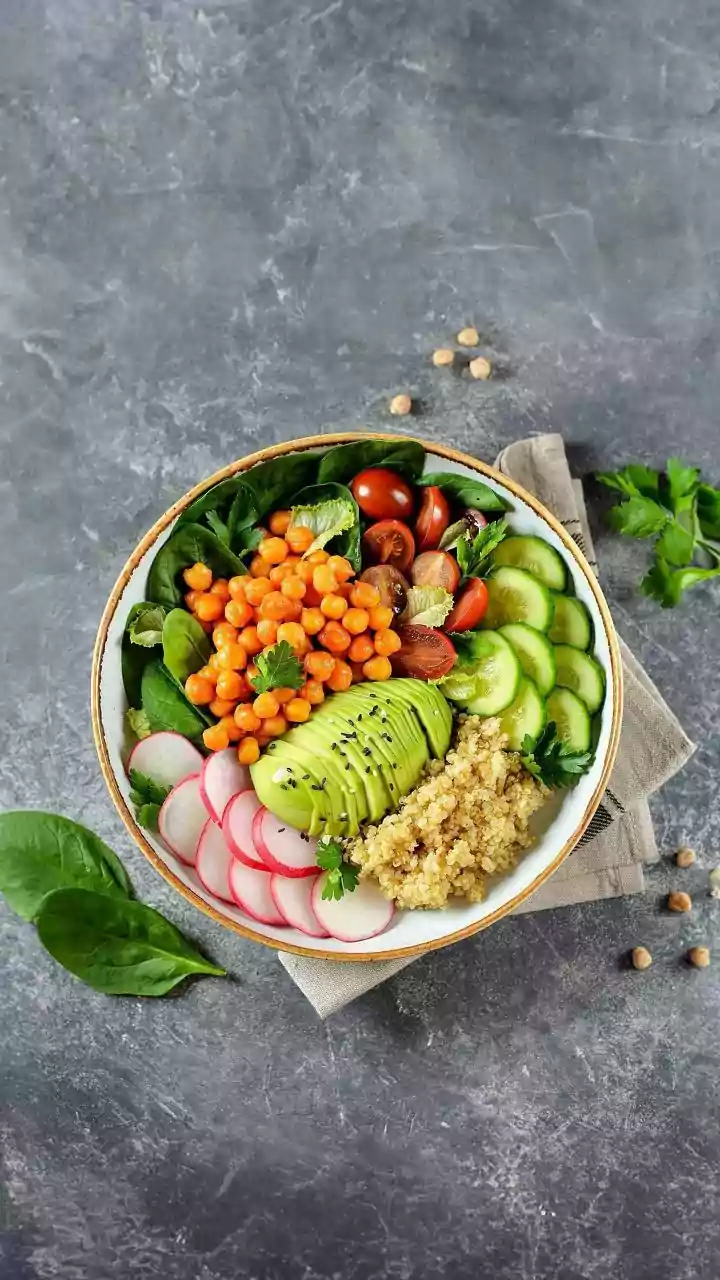
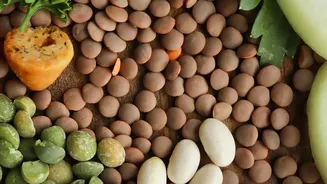
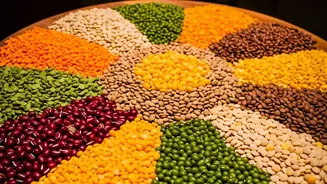
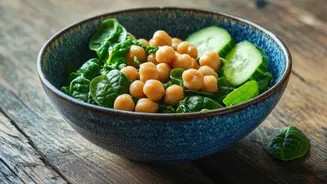
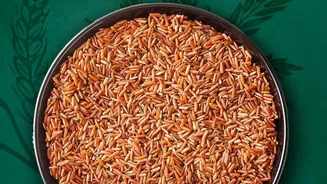
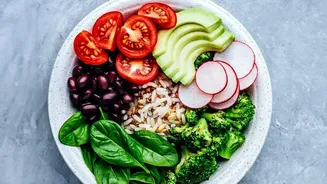
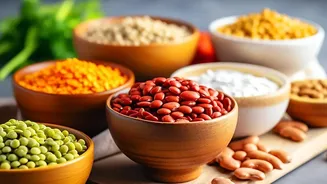
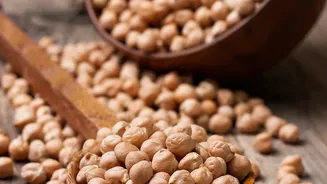
This is where the magic happens. Different plant foods have different amino acid profiles. Legumes—a food group that includes everything from lentils (dal) and chickpeas (chana) to kidney beans (rajma) and peas—are typically rich in the essential amino acid lysine but low in methionine. Whole grains, such as rice, wheat, and oats, have the opposite profile: they are high in methionine but low in lysine. By combining these two food groups, you effectively cancel out each other's deficiencies. The lysine from the legumes complements the methionine from the grains, providing your body with all nine essential amino acids needed to form a complete protein, perfectly suited for muscle repair and growth.
Debunking the 'Same Meal' Myth
For years, the advice was to eat these complementary proteins together in the same meal. This led to a belief that every vegetarian meal had to be meticulously planned. However, modern nutritional science has debunked this rigid rule. Your body is smart; it maintains a pool of amino acids it can draw from throughout the day. This means you don't necessarily have to eat rice and beans in the exact same mouthful. As long as you consume a variety of protein sources over the course of the day—grains at one meal, legumes at another—your body can do the work of combining them to build the complete proteins it requires for muscle synthesis.
Putting It into Practice: Your Indian Meal Plan
The great news for anyone following an Indian diet is that protein combining is already an intuitive part of our food culture. Many traditional meals are built around this very principle, making it effortless to apply. Think of classic comfort foods like Dal Chawal (lentils with rice), a staple across the country. The same applies to Rajma Chawal or Chana Masala served with Roti or Naan. Even South Indian staples like idli or dosa (made from fermented rice and lentil batter) served with sambar (a lentil-based stew) are a perfect example of this powerful protein pairing in action. Khichdi, a one-pot dish of rice and lentils, is another excellent and easily digestible option, especially for post-workout recovery.