






A Renaissance of Regional Flavours
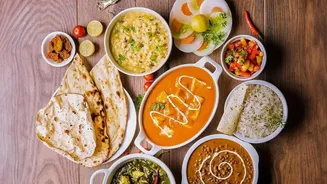
In cities from Mumbai to Delhi and Kolkata, a new appetite is growing for something deeply authentic. It's not about the latest international craze, but about rediscovering the hyper-local dishes that tell a story of a specific place and time. This trend
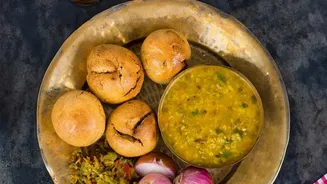
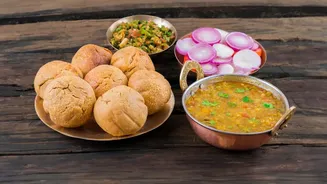
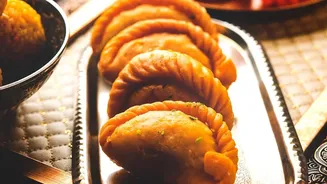
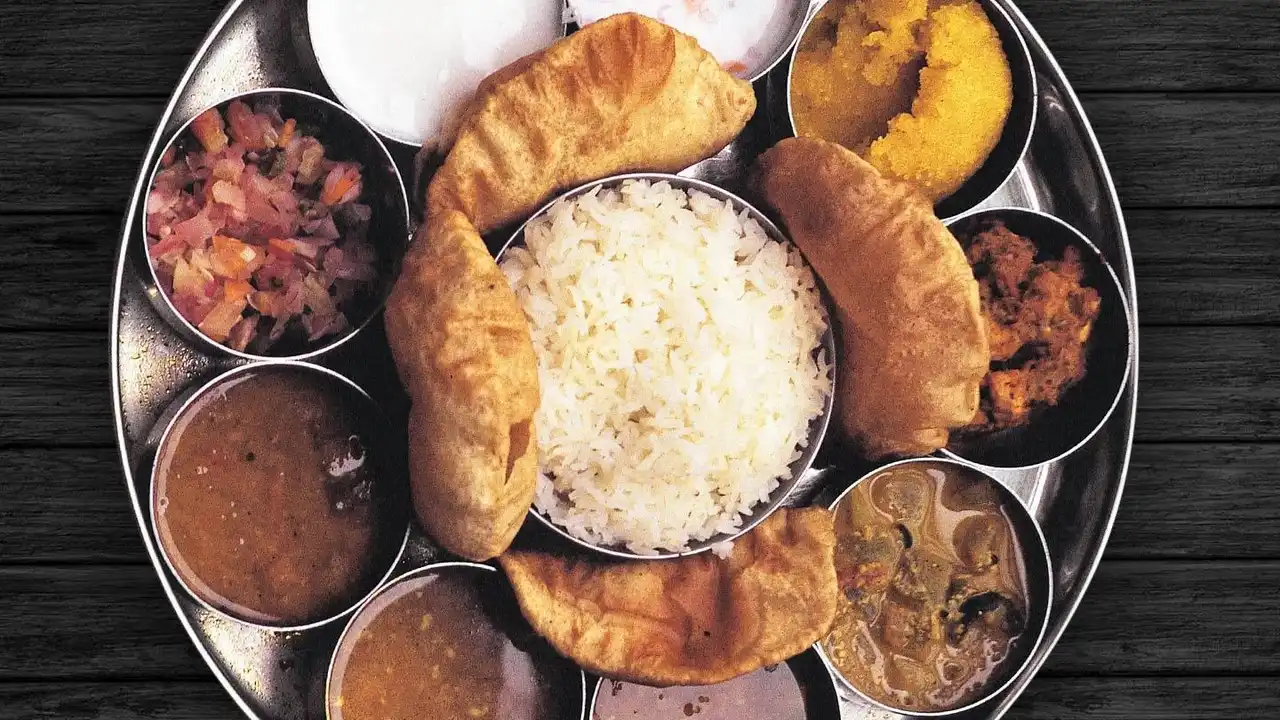
is being driven by Millennials and Gen Z, who are increasingly curious about their own culinary heritage. For many, this is a way to connect with a past they may only know through stories, transforming vague nostalgia into a tangible, sensory experience. The search is on for dishes that rarely appear on commercial restaurant menus—the kind of food associated with grandparents' kitchens, festive traditions, and specific regional ingredients. This shift is fuelled by a renewed pride in regional identity and a desire for food that carries meaning and memory on the plate.
The Rise of Pop-Ups and Home Chef Showcases
This culinary exploration is being facilitated by a new wave of food events that are less like traditional restaurants and more like intimate community gatherings. Culinary pop-ups, home-chef-led festivals, and street food showcases are creating spaces where heritage recipes are the main attraction. Organisers of events like the National Street Food Festival in Delhi or smaller, community-led pop-ups provide a platform for home cooks—often from older generations—to share their unique family specialities. These events go beyond just serving food; they often involve storytelling, where the history of a dish is shared, creating an immersive cultural experience that resonates deeply with younger attendees looking for connection and context.
A Quest for Authenticity and Connection
So, what's behind this growing movement? For many young Indians, it's a reaction to a globalised world and a digitally saturated life. After years of exploring international cuisines, there is a distinct turn towards the local and the familiar, albeit with fresh eyes. Cooking and eating traditional foods has become a way to connect with their cultural roots and preserve family traditions. In an interview, Shruti, co-creator of a book on food memories, noted that there is a growing awareness of the potential loss of this culinary knowledge, with some estimating a 30-40% intergenerational loss of recipes. This urgency to document and learn these dishes before they are forgotten is a powerful motivator. These events provide a direct line to that knowledge, bridging the gap between generations.
From Family Kitchens to Social Media Feeds
Paradoxically, modern technology is a key enabler of this return to tradition. Social media platforms like Instagram have become virtual archives for heritage cooking. Young food enthusiasts are not just tasting these dishes; they are documenting them, sharing photos and videos, and creating a digital conversation around regional Indian food. The visual nature of these platforms helps elevate once-humble home-cooked meals into something aspirational and worthy of celebration. This online buzz generates interest and drives attendance at physical food events, creating a cycle where digital discovery leads to real-world experience, which in turn fuels more online content. Tech isn't replacing traditional cooking; it's helping to reimagine and popularise it for a new, digitally native generation.
The Keepers of Culinary Heritage
At the heart of this movement are the home chefs and event organisers who are passionate about preservation. Many are not trained chefs but are keepers of a specific culinary tradition—a grandmother who knows the exact spice blend for a forgotten curry, or a home cook dedicated to the complex dishes of their community. For them, these events are more than a business; they are an act of cultural preservation. Gauri Devidayal, a co-founder in the pop-up space, notes that these events are fantastic for encouraging local talent and promoting regional ingredients, contributing to a richer food landscape. By providing a platform, they ensure that precious culinary skills are not just remembered but are actively passed on, tasted, and appreciated by a new generation eager to learn.