

Decoding the 2026 UN Nutrition Findings
The latest series of United Nations reports on nutrition, including 'The State of Food Security and Nutrition in the World 2026', paints a complex but hopeful picture. While confirming that billions globally struggle to afford a healthy diet, the reports collectively
shift the focus from expensive ingredients to nutrient density. The core message is not that nutrition is cheap, but that the foundations of a healthy diet are not inherently premium. The reports argue that tackling malnutrition requires making nutrient-dense foods—not just calories—more affordable and accessible. This involves addressing structural issues in our food systems, from farm to table, to lower the cost of genuinely healthy foods like vegetables, fruits, and pulses.
The Myth of the 'Superfood' Shelf
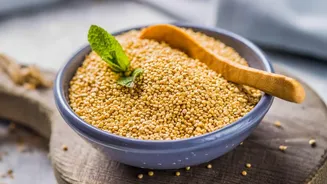
For years, marketing has successfully positioned certain expensive, often imported, foods as essential for good health. Think quinoa from the Andes, goji berries from the Himalayas, or avocados that travel thousands of kilometres. While these foods have nutritional benefits, the recent UN analyses implicitly challenge the idea that they are necessary. The real challenge, as highlighted by experts discussing the reports, is not a lack of exotic superfoods but the high relative cost of basic, nutrient-rich food groups. Fruits, vegetables, and animal-source proteins account for a significant portion of a healthy diet's cost, making them hard to afford for many. The focus on far-flung 'miracle' foods can distract from the more pressing need to make local, everyday nutritious options available to everyone.
Nutrient-Rich, Not Price-Rich
The UN's findings encourage a pivot in perspective: prioritise nutrients, not price tags. A healthy diet is defined by its diversity, balance, and adequacy in providing essential vitamins and minerals—qualities that are not exclusive to high-cost items. The FAO's chief economist, Maximo Torero, pointed out that the challenge is to make nutrient-rich foods more affordable, suggesting a redirection of government subsidies away from just staple grains towards a broader range of foods. This approach empowers consumers to build a healthy plate with what is locally and seasonally available, rather than feeling pressured to buy into costly global trends. It validates the nutritional wisdom already present in many traditional diets, which have long relied on a combination of lentils, local greens, millets, and seasonal vegetables to provide balanced nourishment.
Your Affordable Nutrition Toolkit
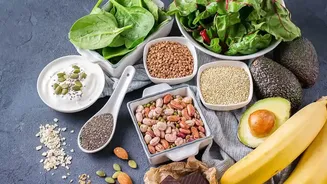
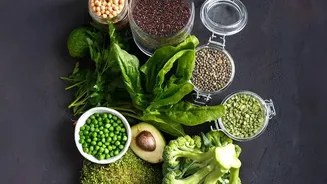
Translating the UN report's findings into your daily life is simpler than you might think. India's diverse culinary landscape is rich with affordable, nutrient-packed powerhouses. Lentils and pulses (dal) are a cornerstone of Indian cuisine for a reason; they are an excellent source of protein and fibre. Millets like jowar, bajra, and ragi are making a comeback as climate-resilient grains that are full of essential nutrients. Don't overlook seasonal vegetables and local greens; spinach (palak), fenugreek (methi), and drumstick leaves are incredibly nutrient-dense and cost-effective when in season. Fermented foods like curd (dahi) are fantastic for gut health. By focusing on these readily available ingredients, you can build a diet that is both incredibly healthy and aligned with the UN's call for accessible nutrition.
Simple Swaps for a Healthier Budget
Making your diet healthier doesn't require a complete overhaul or a bigger grocery budget. Start with small, intelligent swaps. Instead of buying expensive breakfast cereals, consider a traditional porridge made from millets or oats. Replace imported berries with seasonal and local fruits like guava, banana, or papaya, which offer a wealth of vitamins. When a recipe calls for an expensive vegetable like asparagus or broccoli, swap it for local options like green beans or cauliflower, which provide similar nutritional benefits at a fraction of the cost. By choosing local and seasonal produce, you not only reduce your food expenses but also support local farmers and decrease your food's carbon footprint—a win for your health, your wallet, and the planet.