




What Exactly Is El Niño?
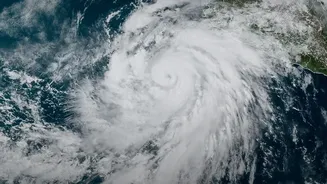
El Niño is a naturally occurring climate pattern characterized by the unusual warming of surface waters in the central and eastern tropical Pacific Ocean. This vast expanse of warmer water releases immense heat into the atmosphere, disrupting large-scale
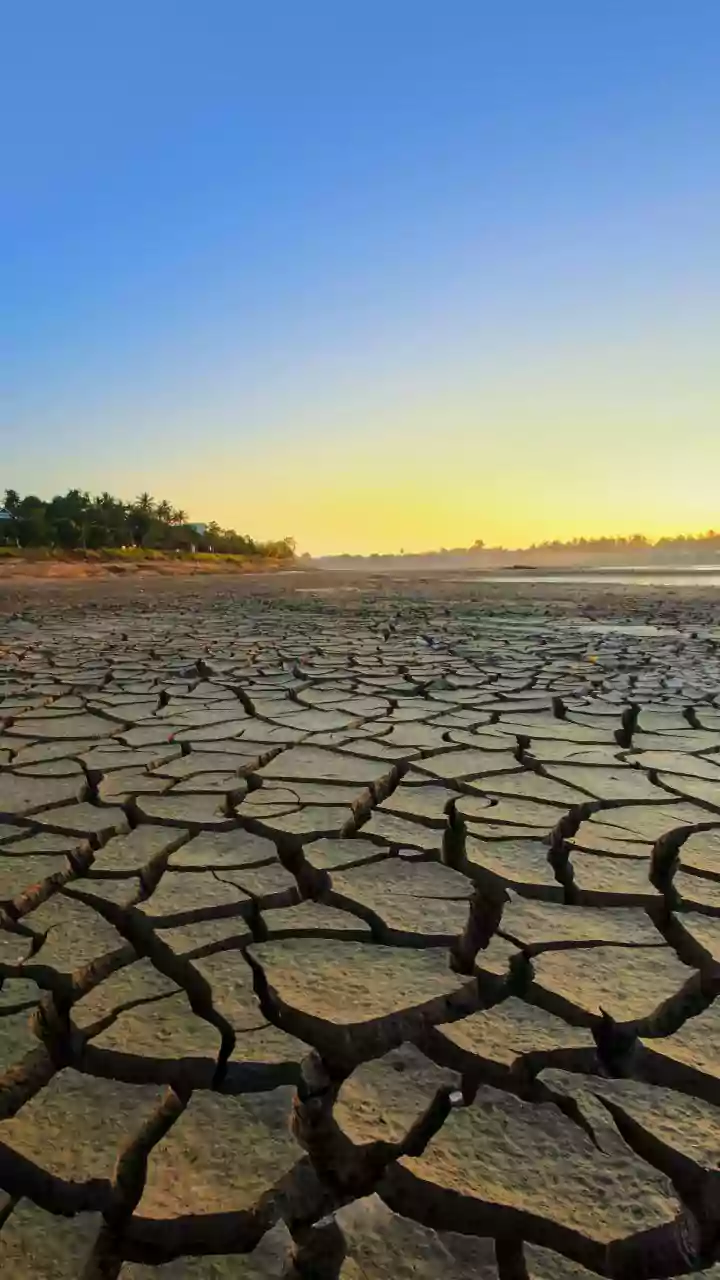
air circulation patterns. Think of it as a giant, misplaced heater in the Pacific that can alter weather systems globally. A 'very strong' or 'super' El Niño, as some are calling this event, occurs when sea surface temperatures rise 2°C or more above average. Such powerful events have historically been linked to extreme weather worldwide, including droughts and floods.
A Winter of Extremes for India?
While El Niño often means a weaker monsoon for India, its winter effects can be more complex and varied. Recent forecasts suggest a winter of contrasts. A report from the International Centre for Integrated Mountain Development (ICIMOD) predicts that the powerful El Niño could lead to above-normal precipitation, including heavy snowfall, across parts of the Hindu Kush Himalaya region, covering northern India. This could increase the risk of floods, landslides, and avalanches in these mountainous areas. Conversely, the same report forecasts that southern India could experience drier-than-normal conditions. This regional divergence means some parts of the country could be dealing with excess water while others face deficits.
Concerns Mount for Rabi Crops
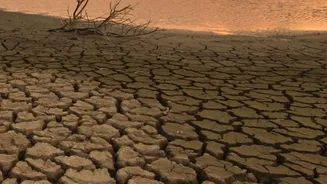
The primary concern for much of the country is the fate of the rabi (winter) crops, such as wheat, mustard, and pulses. These crops are heavily dependent on soil moisture left by the monsoon and water levels in reservoirs. The 2026 monsoon has already been below normal, partly due to El Niño's influence, leaving reservoir levels lower than desired. Experts warn that a warmer and drier winter in key agricultural belts, combined with water shortages, could severely impact crop yields. This has already raised alarms within the Finance Ministry over potential disruptions and the risk of rising food inflation. Farmers are facing a challenging season, with shortages of fodder and water already impacting livestock and leading to price hikes in essentials like milk.
Economic and Health Ripple Effects
The agricultural sector is the backbone of the Indian economy, and a stressed rabi season could have wide-ranging consequences. Economists are concerned that poor yields could fuel food inflation, weaken rural purchasing power, and put pressure on government finances. While India currently has comfortable stocks of wheat and rice that can be used to manage prices, a prolonged El Niño could deplete these reserves. Beyond the economy, the World Health Organization (WHO) has identified India as a country facing high public health risks from the current El Niño. These risks include the potential for increased heat-related illnesses in the following summer and the spread of climate-sensitive diseases like dengue and malaria.
Government on Alert
Indian authorities are monitoring the situation closely. The Prime Minister's Office (PMO) has held high-level meetings to review the country's preparedness for El Niño's impacts on agriculture and other sectors. Ministries have been directed to work with states to ensure that farming and essential supplies are not severely affected. This includes preparing crop-specific contingency plans, running farmer awareness campaigns, and managing water and power resources judiciously. The focus is on proactive measures to mitigate risks, especially in vulnerable districts, and ensuring a coordinated response to the evolving weather patterns.