






Holidays used to be about doing more, seeing more, and packing it all in. Now, a growing number of travellers in India are seeking something simpler: the chance to feel better. This has given rise to a new trend: the 'urban recovery holiday'.
A New Kind of Getaway
The idea
of an 'urban recovery holiday' is simple yet powerful. It's a trip taken not just for sightseeing, but for escaping the physical and mental toll of city life, particularly poor air quality. For many, especially those in North India's smog-hit cities, this has become less a luxury and more a necessity. Following events like Diwali, when air quality in cities like Delhi can become hazardous, there's a noticeable surge in short, unplanned trips to the hills. Families are seeking destinations where the goals are basic: to breathe clean air, sleep without coughing, and let children play outdoors safely. This reactive form of travel, planned around AQI forecasts instead of festival calendars, marks a significant shift in what people want from a break.
Health is the New Destination
This trend is part of a larger, global pivot towards wellness tourism, an industry that is rapidly growing in India. Travellers are increasingly tired of returning from vacations feeling even more exhausted. The conversation has shifted from 'how much can I see?' to 'how will I feel when I return?'. This has put a spotlight on destinations that offer more than just attractions. Today's wellness traveller is looking for restorative experiences, whether it's through yoga, meditation, nature immersion, or simply quiet. Clean air has become a crucial, measurable part of this wellness equation, with studies showing that air quality has a significant influence on tourists' travel decisions.
Where India is Finding Fresh Air
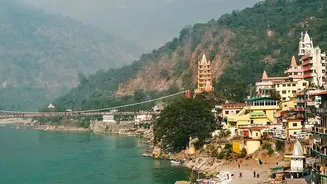
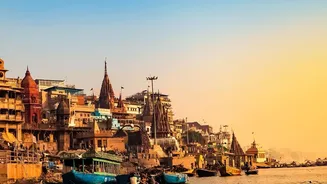
When pollution spikes, travellers from the National Capital Region and surrounding areas often head for the hills. Destinations in Uttarakhand and Himachal Pradesh, such as Shimla, Kufri, and the Tirthan Valley, see a significant influx of visitors seeking respite. Hoteliers in these regions report a rise in last-minute bookings from families with young children or elderly parents. For those willing to travel further, states like Sikkim and Mizoram consistently record some of the country's lowest AQI readings. Down south, the post-monsoon greenery of Coorg and Wayanad, along with coastal towns like Gokarna that benefit from sea breezes, offer cleaner environments. Beyond just escaping bad air, these destinations are often hubs for broader wellness activities, from yoga retreats in Rishikesh to Ayurveda in Kerala, allowing travellers to combine their need for clean air with deeper restorative practices.
The Rise of Urban Wellness
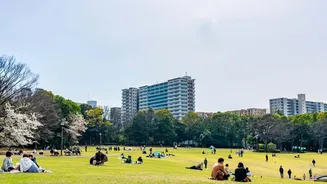
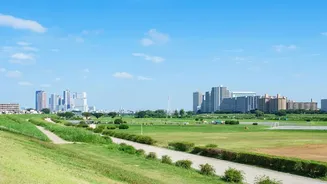
While escaping the city for clean air is one approach, another trend is emerging simultaneously: the rise of wellness within the city itself. 'Urban wellness retreats' are becoming popular for those who can't get away for long. These retreats, often housed in hotels or dedicated centres, offer curated experiences like spa treatments, yoga, meditation, and even 'forest bathing' in city parks to counteract the stress of urban life. This reflects a growing desire to integrate wellbeing into daily life, not just reserve it for occasional holidays. Cities around the world known for their green policies and clean environments, like Zurich, Copenhagen, and Stockholm, are becoming travel models, proving that urban living and wellbeing don't have to be mutually exclusive.