



The Frustration Is Real and Growing
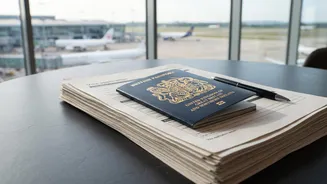
According to the 2026 Global Passenger Survey from the International Air Transport Association (IATA), the number of travellers discouraged by immigration requirements has jumped significantly. In 2025, 33% of passengers were put off by these rules; by 2026,
that figure climbed to 43%. This ten-point increase shows that navigating entry formalities is no longer a minor inconvenience but a decisive factor in travel planning. Of those deterred, over half (53%) cited the sheer complexity of the process as the primary reason, far outweighing concerns about cost or data privacy, which each stood at 17%. This indicates a clear pain point: travellers are willing to pay and share data, but they are losing patience with confusing, multi-step procedures.
What's Making Travel So Complicated?
The hurdles extend beyond traditional visa applications. While visa paperwork remains a significant barrier, today's travellers also face a patchwork of digital health attestations, varied pre-arrival registration forms, and inconsistent biometric screening processes. Even though the peak of the pandemic is over, its legacy includes a host of health-related entry protocols that have been integrated into security and immigration checks. This creates a 'hybrid system' where travellers must navigate security, health, and digital identity checks, often with little standardisation between countries. For Indian passport holders, who already contend with rigorous visa applications for many parts of the world, these additional layers of complexity can make spontaneous or multi-country trips especially challenging.
A Push for Simpler, Digital Solutions
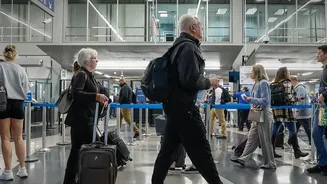
While the problem is growing, so is the demand for a solution. The IATA survey reveals a strong passenger appetite for technology to streamline the process. A massive 86% of travellers are willing to share immigration information digitally before departure to speed things up. Furthermore, 60% would prefer to apply for a visa online rather than visiting a consulate. Passengers are clearly signalling they want the convenience they experience in other parts of their lives—like online banking and shopping—to apply to crossing borders. The industry is listening, with a growing adoption of biometric technology at airports, which 58% of passengers have now experienced. The satisfaction rate among these users is a high 87%, proving that when implemented well, technology can drastically improve the travel experience.
How Indian Travellers Can Prepare
Until global standards for entry are simplified, the onus remains on the traveller to be meticulously prepared. For those planning a trip from India, a few key steps can make all the difference. First, start early. Visa processing times are unpredictable and often lengthy, so last minute applications are a major risk. Second, use official sources. Always double check entry requirements on the official embassy or consulate website for your destination; rules can change without warning. Third, consider a certified travel agent who specialises in visa processing. Their expertise can help navigate complex paperwork and avoid common mistakes. Finally, embrace digital tools where available. India's own Digi Yatra is expanding to international travel, allowing for a smoother airport experience through biometric verification at participating airports.