






Beyond Your Average Green Tea
So, what exactly is this green phenomenon? Matcha is a fine powder made from specially grown and processed green tea leaves, traditionally associated with Japanese tea ceremonies. Unlike regular green tea, where you steep the leaves and discard them,
with matcha you consume the entire leaf. This means you’re getting a more concentrated dose of the nutrients and antioxidants the plant has to offer. The preparation itself, often involving a bamboo whisk to create a frothy blend, adds a ritualistic, mindful element to the experience that sets it apart from dunking a simple teabag.
The ‘Calm Alertness’ Health Halo
For a generation prioritising mental and physical wellness, matcha’s benefits are a huge draw. It’s packed with antioxidants called catechins, which are linked to protecting against cell damage. But its star compound is L-theanine, an amino acid that promotes a state of ‘calm alertness’. While coffee can lead to jitters and an eventual crash, matcha drinkers report sustained energy and focus without the anxiety. This unique combination perfectly aligns with Gen Z's holistic approach to health, where feeling good mentally is just as important as physical fitness. It’s not just a drink; it's a tool for productivity and self-care.
An Incredibly Photogenic Drink
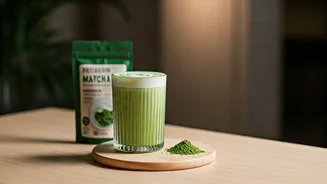
Let’s be honest: in the age of Instagram, aesthetics matter. Matcha is undeniably beautiful. The vibrant green against the white of milk in a latte, the delicate latte art, the minimalist ceramic bowls—it’s all incredibly photogenic. A cup of matcha is not just a beverage; it’s a content opportunity. It signals a certain lifestyle: one that is mindful, health-oriented, and globally aware. For Gen Z, who grew up documenting their lives online, choosing matcha is a subtle way of curating their personal brand. It visually communicates a commitment to wellness and a sophisticated palate, making it the perfect accessory for a curated social media feed.
A Global Palate with a Local Twist
Matcha's popularity in India isn't happening in a vacuum. It’s part of a larger cultural import, driven by the global popularity of Japanese aesthetics and Korean pop culture, where matcha is often featured. As young Indians consume more global media, their tastes become more international. Cafes across metros like Mumbai, Delhi, and Bengaluru have been quick to capitalise on this. They've not only added classic matcha lattes to their menus but are also experimenting with local adaptations, from matcha-infused kulfi to spiced matcha chais, making the foreign flavour more accessible and exciting for the Indian palate.
The New Cafe Culture Staple
Every generation has its go-to cafe drink. If millennials popularised the cappuccino and flat white, Gen Z is championing matcha. It offers a sophisticated alternative to coffee and a significant upgrade from standard masala chai or iced tea. Ordering a matcha latte has become a new status symbol, signifying that you're in the know. It has carved out a niche as the thinking person's wellness drink, a third-wave coffee equivalent for the tea world. As more cafes make it a permanent fixture, its presence is only set to grow, cementing its place as a cornerstone of modern Indian cafe culture.