





Puttu and Kadala Curry from Kerala
This iconic Kerala breakfast is a study in texture and flavour that feels like a warm hug on a cool, rainy morning. Puttu consists of steamed cylinders of ground rice flour layered with fresh grated coconut. Made traditionally in a special steamer called
a 'puttu kudam', it emerges soft, fluffy, and fragrant. The perfect partner for this gentle dish is Kadala Curry, a robust and spicy gravy made with black chickpeas (kala chana). The curry is rich with roasted coconut, onions, tomatoes, and a blend of aromatic spices, creating a flavourful counterpoint to the subtly sweet puttu. It is a wholesome and deeply satisfying meal that defines comfort food in the region, especially during the monsoon.
Pesarattu from Andhra Pradesh
Hailing from Andhra Pradesh, Pesarattu is a crisp, crepe-like dosa made from a batter of whole green moong dal. Unlike a regular dosa, its batter requires no fermentation, making it a quick and nutritious option. The name itself comes from the Telugu words 'pesara' (green gram) and 'attu' (dosa). The lentils are soaked and ground with ginger, cumin seeds, and green chillies, which lend the dish a mildly spicy flavour. It is cooked on a hot tawa until the edges are crisp and golden. Often served with a fiery ginger chutney (Allam Pachadi), Pesarattu is a protein-packed breakfast that feels both light and sustaining. A popular variation known as MLA Pesarattu comes stuffed with savoury upma, making it an even heartier meal.
Kanda Bhaji from Maharashtra
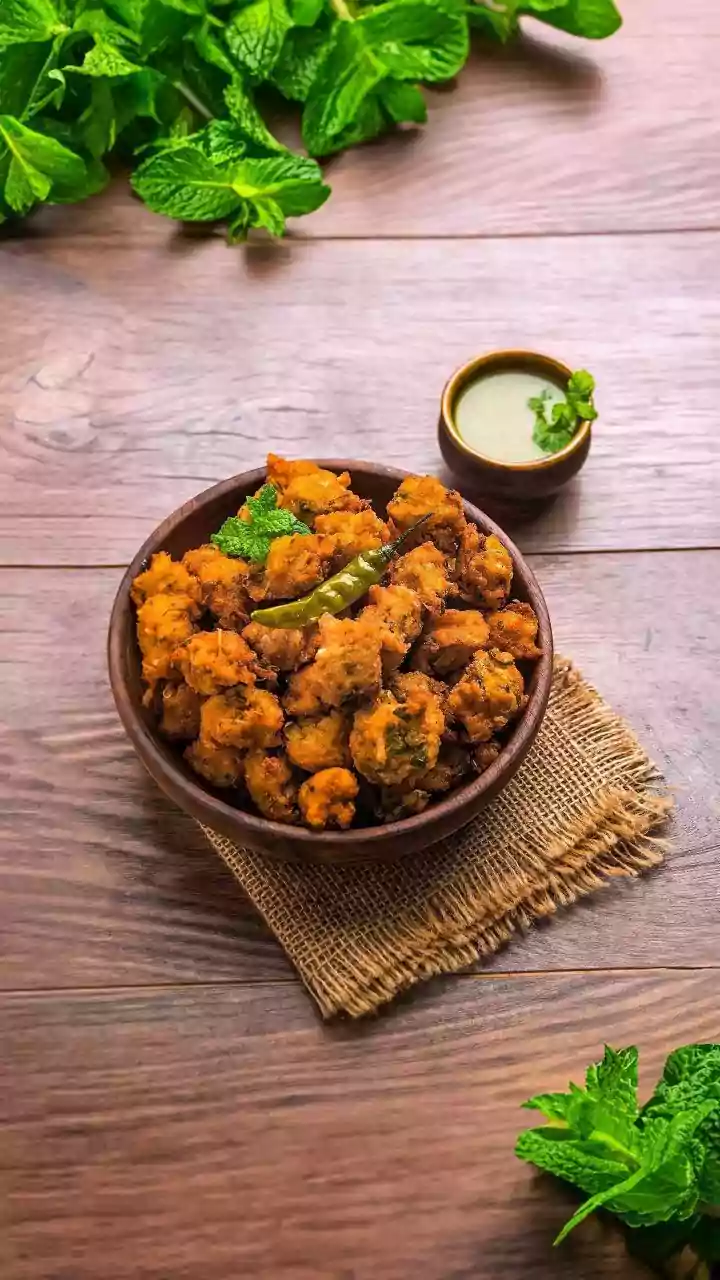
While often considered a tea-time snack, Kanda Bhaji (onion fritters) is a beloved breakfast in many Maharashtrian households, especially when the skies open up. These are not just any onion pakoras; the Maharashtrian version is famously crispy, achieved by thinly slicing onions and mixing them with gram flour (besan) and spices without adding any extra water. The moisture released from the onions themselves is enough to bind the batter, resulting in intensely flavourful and crunchy fritters. Sometimes called 'khekada bhaji' because their irregular shape resembles crabs, they are perfect when served piping hot. Paired with a cup of strong masala chai, this is the ultimate indulgence on a grey, rainy day.
Methi Thepla from Gujarat
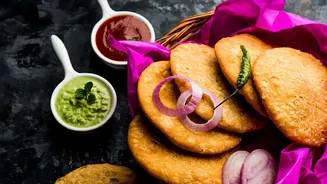
Thepla is a soft, spiced flatbread from Gujarat that is a staple in the region. The version made with fresh fenugreek leaves (methi) is particularly cherished. These thin, flavourful breads are made from whole wheat flour, gram flour, and a mix of spices, with the slightly bitter taste of methi providing a unique flavour. Yogurt is often added to the dough to ensure the theplas remain soft for days, making them an excellent travel food. On a rainy morning, a hot thepla, cooked on a griddle with a bit of oil or ghee, served with plain yogurt, pickles, or a hot cup of tea, is simple, wholesome, and incredibly satisfying.
Khichuri from Bengal
In Bengal, rainy days are synonymous with Khichuri. While known across India, the Bengali version, often called Bhoger Khichuri, is a specific preparation of roasted moong dal and rice cooked together with vegetables and fragrant whole spices like cinnamon, cloves, and cardamom. It has a porridge-like consistency and a deeply aromatic flavour profile, thanks to the roasted lentils and the final tempering of ghee. Though it is a staple during pujas, it is also the go-to comfort meal for a wet, dreary day. Often served for lunch or a late breakfast, it is typically accompanied by fried items like Begun Bhaja (fried eggplant slices) or fried fish, creating a meal that is both simple and celebratory.
Sidu from Himachal Pradesh
From the mountains of Himachal Pradesh comes Sidu, a hearty steamed bun that is perfect for cool, rainy weather. This local delicacy is made from a yeast-fermented wheat flour dough, which gives it a soft, bread-like texture. The dough is stuffed with various fillings, most traditionally a savoury paste of ground walnuts and poppy seeds, or sometimes urad dal. The filled buns are then steamed until cooked through. Sidu is best enjoyed broken apart and dipped generously in desi ghee (clarified butter) or a local green chutney. Its warmth and substantial nature make it an ideal breakfast to combat the mountain chill that accompanies the monsoon rains.