





The Most Important 15-Minute Home Tour
Every home has three critical lifelines: water, electricity, and (often) gas. While they keep our lives running smoothly, they can also be the source of significant damage if something goes wrong. The single most effective way to protect your property
and your family is to know how to shut these utilities down at their main source. Taking 15 minutes, on a calm, quiet afternoon, to locate and identify these shut-off points is one of the most valuable investments you can make in your home. It turns panic into a plan. We'll walk you through where to find each one and what to do when you get there.
Water: Stopping the Flow
A major water leak can cause thousands of rupees in damage in minutes. Knowing how to stop the flow is essential. Your home has a main water shut-off valve that controls the water supply to the entire property. Look for it in your basement, a utility room, garage, or even a closet. Typically, it's located on an exterior wall where the main water line enters the house. You might see a thick copper or plastic pipe coming through the wall or floor with a valve on it. There are two common types: a round 'wheel' handle (gate valve) that you turn clockwise several times to close, and a lever handle (ball valve) that you turn a quarter turn until it's perpendicular to the pipe. It's also wise to know where individual fixture shut-offs are—these are the small valves under sinks and behind toilets for isolating a single problem without cutting water to the whole house.
Gas: When to Act and When to Call
Natural gas is efficient, but a leak is extremely dangerous due to the risk of fire or explosion. If you ever smell the 'rotten egg' odour of natural gas, hear a hissing sound, or feel suddenly dizzy or nauseous, do not operate any light switches or electronics. Leave the house immediately, get to a safe distance, and then call your gas company's emergency line or 911. The main gas shut-off valve is almost always located outside, next to the gas meter. It's a rectangular tab or lever on the pipe. To shut it off, you'll need a wrench to turn the valve a quarter turn so it's perpendicular (crosswise) to the pipe. The most important rule: NEVER turn the gas back on yourself. Only a qualified professional from the gas company can safely restore service and check your appliances.
Electricity: The Main Switch
Your home's electrical panel, also known as a circuit breaker box or fuse box, is the command centre for your power. You'll typically find it as a grey metal box in a garage, basement, or utility closet. Inside, you will see rows of smaller switches (the individual circuits) and one large switch, often at the top, which is the main breaker. This main breaker cuts power to the entire house. In an emergency involving fire, flooding near wiring, or a burning smell from an outlet, this is the switch to flip. Firmly push the main breaker to the 'Off' position. If you live in an older home with a fuse box, you may have a main block that you need to pull out to cut power.
Label Everything and Run a Drill
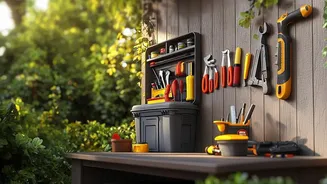
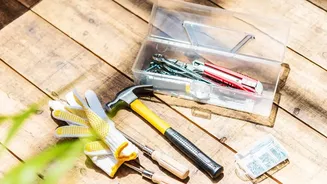
Now that you've found these critical points, make them impossible to forget. Use durable, weatherproof tags or labels to clearly mark the main water valve, the gas meter shut-off, and the main electrical breaker. You can even add a small tag with instructions, like 'Turn clockwise to close'. Store any necessary tools, like a wrench for the gas valve, right next to it in a sealed plastic bag. Once everything is labelled, walk through the locations with everyone living in your home. Explaining what each one is and how it works ensures that in an emergency, anyone can take action. This simple drill removes the guesswork during a high-stress moment.