

A Tale of Two Styles
At its core, the Scandi-Farmhouse style is a beautiful hybrid, merging two of the most enduringly popular aesthetics in interior design. It borrows the clean functionality, light-filled spaces, and uncluttered ethos of Scandinavian design. Then, it infuses
them with the rustic, practical, and textural warmth of the modern farmhouse look. The result isn't a chaotic clash but a harmonious blend that feels curated, comfortable, and completely current. It’s a style that celebrates simplicity without sacrificing personality, creating a home that is both a sanctuary and a statement.
The Soul of Warm Minimalism
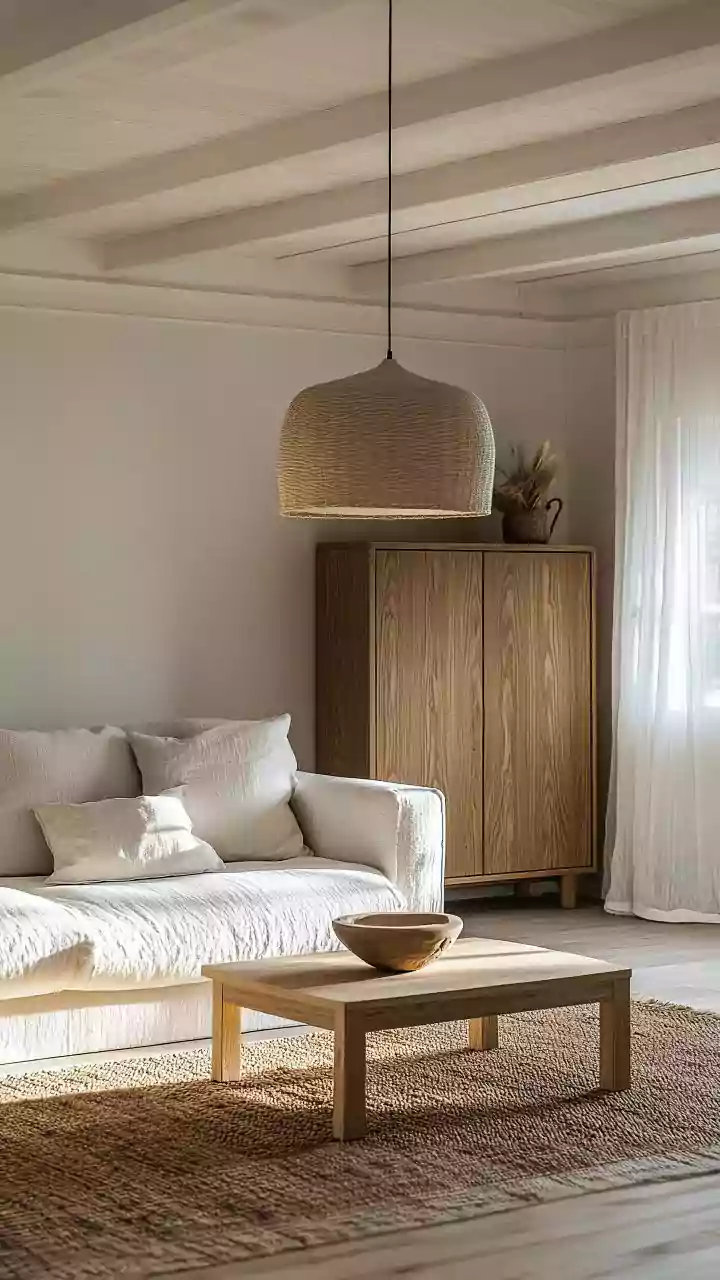
The key to understanding Scandi-Farmhouse is grasping the concept of 'warm minimalism'. This isn't the cold, stark minimalism of a gallery space. Instead, it’s about making conscious choices to surround yourself only with things that are either beautiful or useful—and ideally both. Every object has a purpose and a place. The warmth comes from the deliberate use of texture, natural materials, and a soft, muted colour palette. It proves that a minimalist space doesn’t have to feel empty; it can feel intentional, peaceful, and full of quiet character.
Scandinavian Foundations
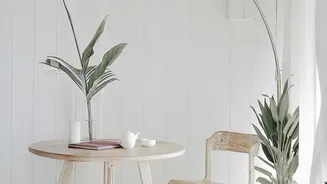
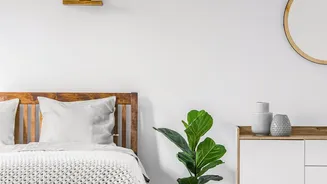
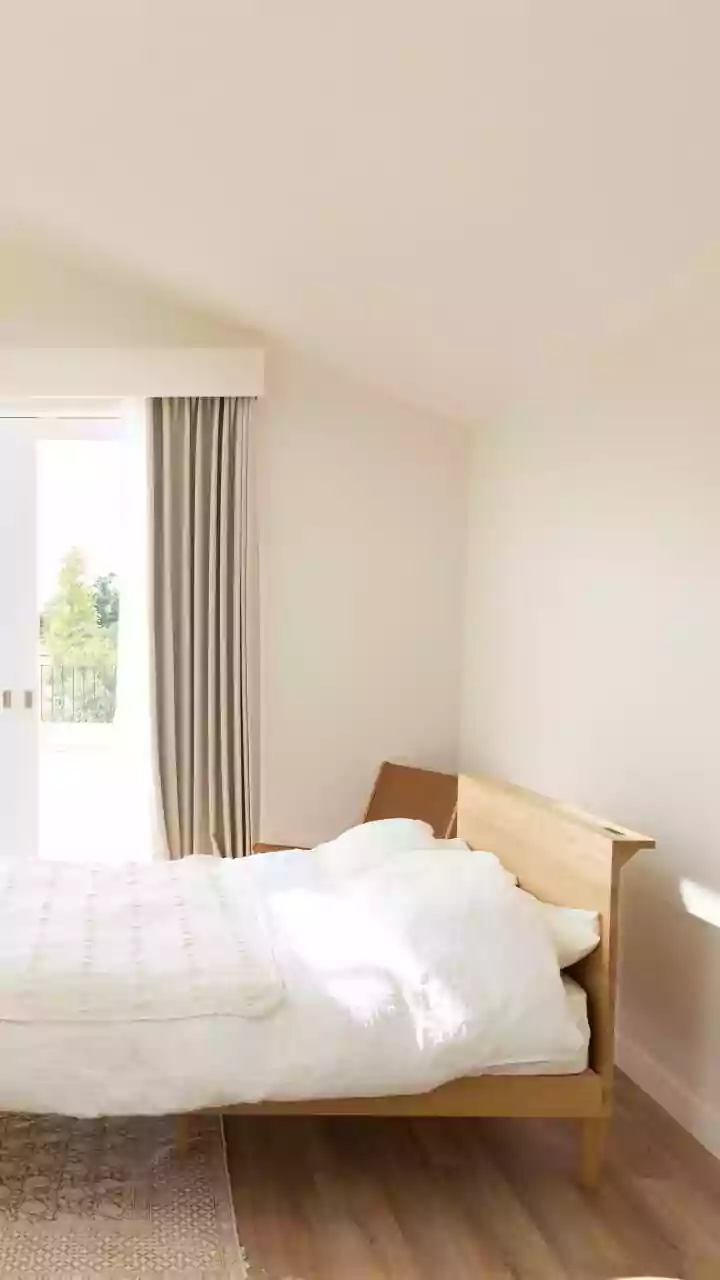
From its Nordic parent, the trend inherits a deep appreciation for light and functionality. This manifests in open-plan layouts, large windows with minimal dressings, and a commitment to keeping surfaces clear of clutter. Light-coloured woods like pine, ash, and beech are fundamental, appearing in flooring and furniture. The Scandinavian concept of 'hygge'—a feeling of cozy contentment—is a driving force, ensuring that the space, while simple, is designed for comfort and well-being. Furniture often features clean lines and a functional, unfussy design.
Farmhouse Flourishes
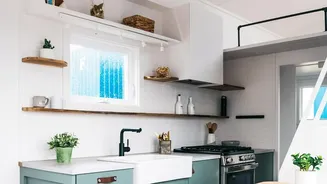
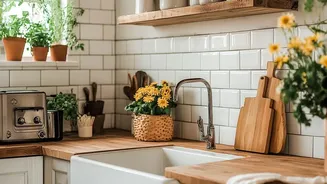
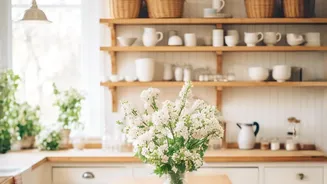
The farmhouse element grounds the style, preventing it from feeling too sterile. It introduces rustic textures and a sense of history. This might come through in a piece of reclaimed wood furniture, a sturdy dining table that feels like the heart of the home, or industrial-inspired metal accents like matte black light fixtures or cabinet pulls. The farmhouse influence is less about country kitsch and more about practicality, durability, and natural, unpretentious materials. Think shaker-style cabinets, wide-plank floors, and open shelving displaying simple, everyday ceramics.
Building the Palette
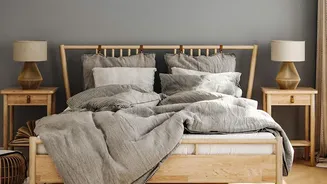
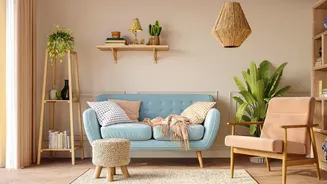
The colour scheme is crucial for achieving the Scandi-Farmhouse look. The base is overwhelmingly neutral, but in a warm, inviting way. Think of a spectrum of whites, from crisp and clean to soft and creamy. These are layered with gentle shades of beige, taupe, and soft grey to create depth. The key is to avoid stark contrasts. Accent colours are used sparingly and are typically drawn from nature—muted greens, soft blues, and earthy terracotta tones. For a touch of modern drama and definition, matte black is used in small but impactful doses on things like window frames, faucets, and furniture legs.
Mastering Materials and Textures
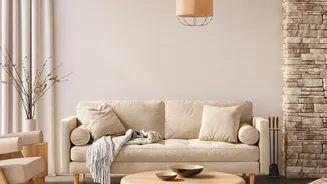
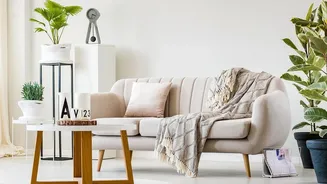
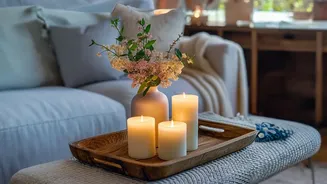
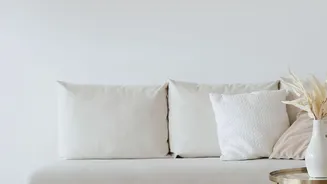
If the colours provide the canvas, the materials provide the soul. This style is a masterclass in tactile layering. Smooth, cool surfaces like concrete or ceramic are placed alongside the warmth of aged wood and the softness of natural textiles. Chunky knit blankets are thrown over linen-upholstered sofas. Wool rugs soften light wood floors. You'll find a mix of natural fibres everywhere, from cotton and jute to leather. This focus on texture is what makes the minimalist space feel so rich and inviting to the touch, adding a sensory dimension to the visual simplicity.