
Why Humidity Changes the Rules
During dry weather, plants release water vapour from their leaves in a process called transpiration. Think of it as plants sweating to cool down. This process pulls more water up from the roots. However, when the air is already saturated with moisture,
as it is during humid or rainy seasons, the rate of transpiration slows down significantly. The air simply can't absorb much more water. As a result, your plants use the water in their soil much more slowly. Sticking to a rigid weekly watering schedule in these conditions is a common mistake that can lead to serious problems.
The Danger of Overwatering
Overwatering is one of the most common reasons indoor plants don't survive. When soil stays soggy for too long, it cuts off oxygen supply to the roots. This can lead to root rot, a condition where roots become mushy, black, and unable to absorb nutrients or water. Ironically, an overwatered plant can show signs that look like dehydration, such as wilting or yellowing leaves, because the damaged roots can no longer function properly. Humid weather creates the perfect storm for overwatering, as the soil takes much longer to dry out. You might also notice mould on the soil surface or an increase in small pests like fungus gnats, which thrive in damp conditions.
The Golden Rule: Check the Soil First
So, how can you tell when to water? Ditch the calendar and get your hands dirty. The most reliable method is the finger test. Push your index finger about one to two inches into the soil. If the soil feels dry at that depth, it's time to water. If it feels moist, hold off and check again in a few days. For most common houseplants, waiting for the top layer of soil to dry out is a safe bet. This single habit is more effective than any predetermined schedule because it responds directly to the plant's current conditions.
Signs of Thirst vs. Too Much Water
It can be tricky to tell the difference between an overwatered and an underwatered plant. An underwatered plant will often have drooping leaves that feel dry or crispy, and the soil will be visibly dry and might pull away from the sides of the pot. The leaves of an overwatered plant might also droop, but they will often feel soft and limp. Yellowing leaves are another classic sign of overwatering, as are brown spots or mushy stems near the soil line. Learning to distinguish these signs, combined with checking the soil moisture, will make you a much more confident plant parent.
Best Practices for Humid Weather
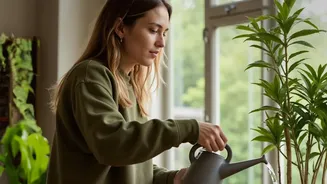
To keep your plants happy during the monsoon and other humid periods, adopt these habits. First, always water in the morning. This gives the plant the entire day to use the water and allows any excess moisture on the leaves to evaporate, which helps prevent fungal diseases. Second, ensure your pots have good drainage holes. No matter how carefully you water, a pot without drainage is a recipe for root rot. After watering, let the pot drain completely and never let it sit in a saucer full of water. Improving air circulation by opening a window or using a gentle fan can also help the soil surface dry more evenly. Finally, consider collecting rainwater. It's naturally soft, slightly acidic, and free of the chemicals found in tap water, making it an excellent choice for most houseplants.
Remember: Not All Plants Are the Same
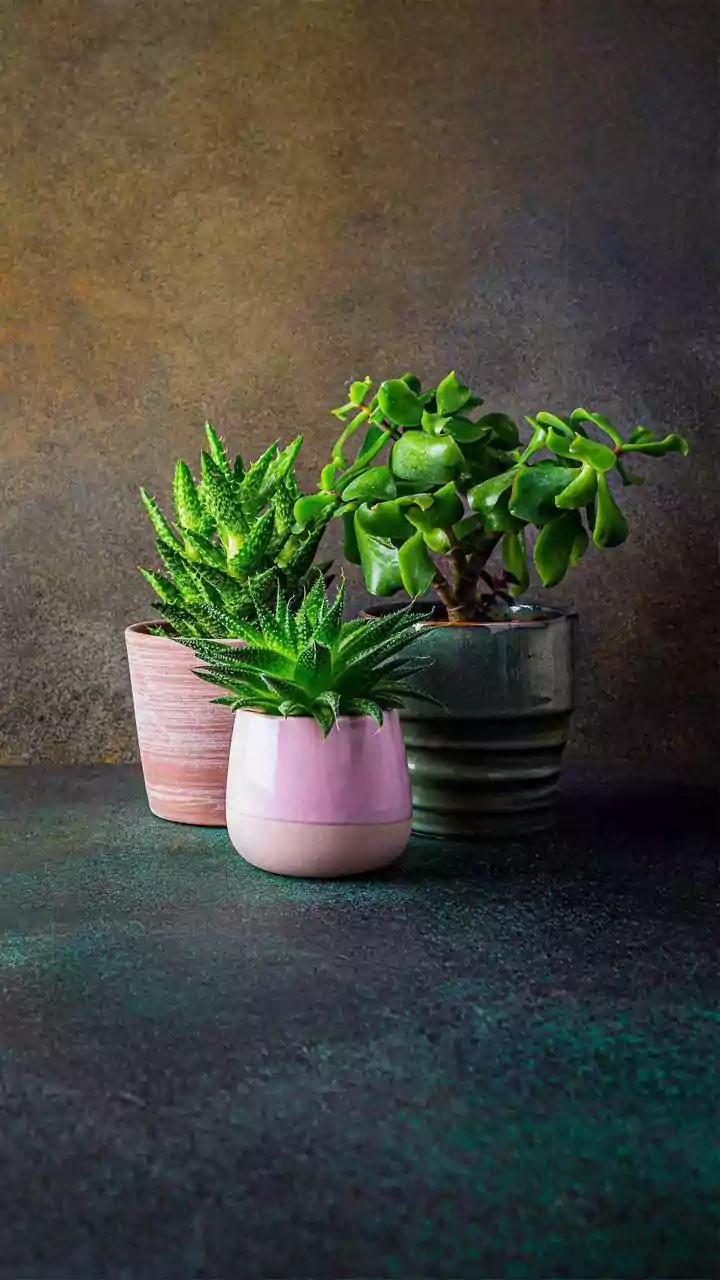
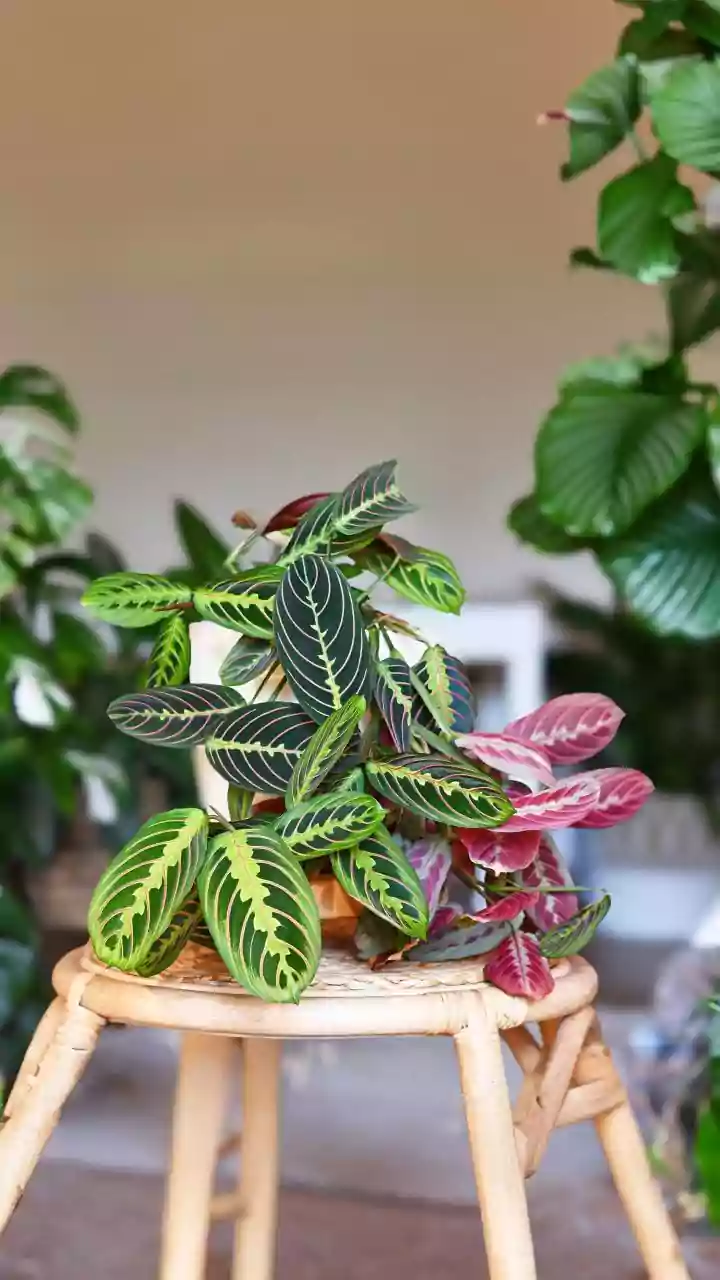
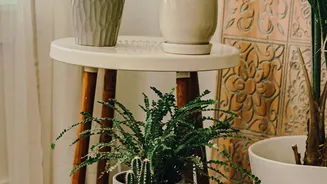
It's important to remember that every plant has unique needs. Tropical plants like ferns and Calatheas may still need consistently moist soil even in high humidity, while succulents and cacti will require even less water than usual. A large leafy Monstera will have different water requirements than a small Snake Plant. Take a moment to research the specific preferences of your plants. Understanding their native environment—whether it's a dry desert or a humid rainforest—provides the best clues for how to care for them in your home.