





The Classic Approach: Static Stretching
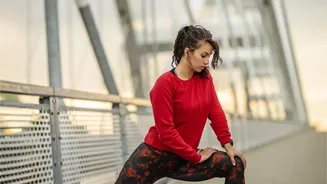
Static stretching is likely what comes to mind when you think of flexibility work. It involves extending a muscle to a point of tension and holding it there, typically for 15 to 60 seconds. Think of a classic hamstring stretch, where you sit and reach
for your toes. The goal is straightforward: to lengthen the muscle tissue over time, which improves the range of motion in a joint. This method is effective for increasing what’s known as passive flexibility—the range of motion you can achieve when an external force (like your hands or gravity) is helping you. Research shows that consistent static stretching does lead to significant flexibility gains. However, its focus is narrow, isolating one muscle or group at a time. While valuable, this approach doesn't build strength or control within that new range of motion.
Yoga’s Dynamic and Holistic Method
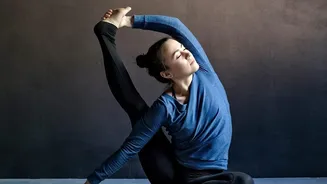
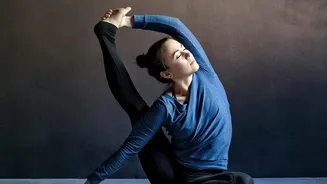
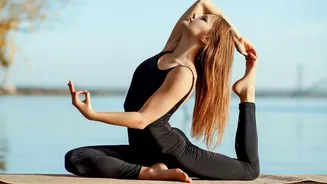
Yoga is much more than a series of stretches; it is a holistic practice that integrates movement, breath, strength, and mindfulness. Unlike the isolated nature of static stretching, a yoga practice involves flowing between postures (asanas), which serves as a form of dynamic stretching. Dynamic stretching involves active movements where joints and muscles go through their full range of motion. This process warms up the body, increases circulation, and lubricates the joints with synovial fluid, preparing them for deeper and safer movement. A typical yoga session blends these dynamic flows with static holds, offering a comprehensive approach to improving mobility and flexibility.
Active vs. Passive: The Strength-Flexibility Link
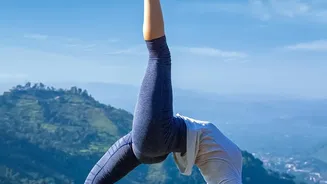
Herein lies a key reason why yoga often outperforms simple stretching for beginners. Yoga builds active flexibility, which is the range of motion you can achieve and control using only your own strength. For example, when you lift your leg high in a yoga pose without using your hands, you are demonstrating active flexibility. This requires the muscles to be both long and strong. Static stretching primarily improves passive flexibility, which doesn't necessarily translate to better movement control. Yoga postures, by their nature, are often weight-bearing and demand muscular engagement to hold and stabilise the body. This dual action of stretching and strengthening creates functional, usable flexibility that helps protect joints and reduces the risk of injury.
More Than Muscles: The Mind-Body Connection
Flexibility isn't just about how far your muscles can lengthen; it's also regulated by your nervous system. When your body senses a threat or you're stressed, your muscles tighten. Yoga directly addresses this through pranayama, or breathwork. By teaching you to maintain a slow, steady breath even in challenging poses, yoga helps calm the nervous system. This signals to your muscles that it's safe to relax and release, allowing you to move deeper into a stretch more effectively than if you were just passively pulling on a tight muscle. This mindful approach not only enhances flexibility but also reduces stress and improves body awareness—benefits that a simple stretching routine typically doesn't offer.
The Power of a Complete Practice
While targeted static stretching can produce flexibility results faster in a specific muscle, yoga provides a more complete framework for overall physical development. A single yoga session can improve flexibility, build strength, challenge your balance, and calm your mind. This multifaceted approach is often more engaging and sustainable for beginners than a monotonous routine of holding stretches. Consistency is the ultimate key to progress, and an enjoyable practice is one you're more likely to stick with. By building strength alongside flexibility, yoga prepares the body for a wider range of activities and promotes long-term resilience, making it a powerful tool for anyone starting their fitness journey.