
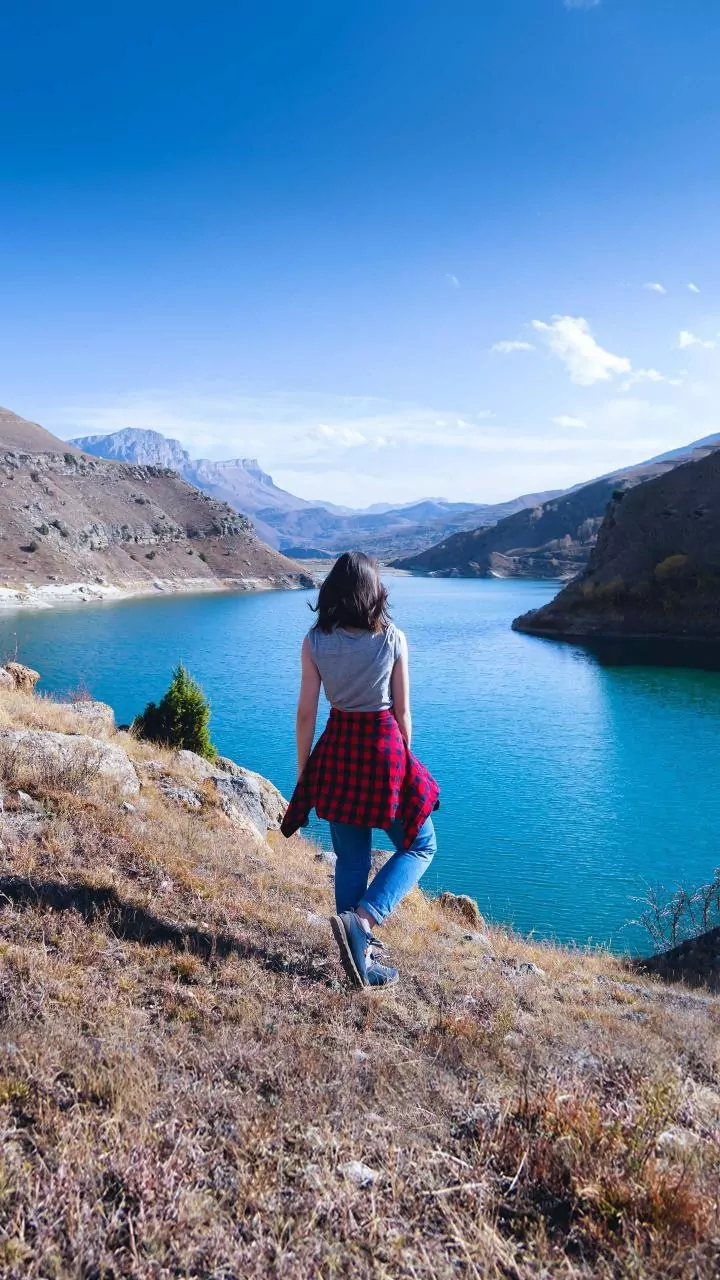





From Hyper-Polished to Hyper-Conscious
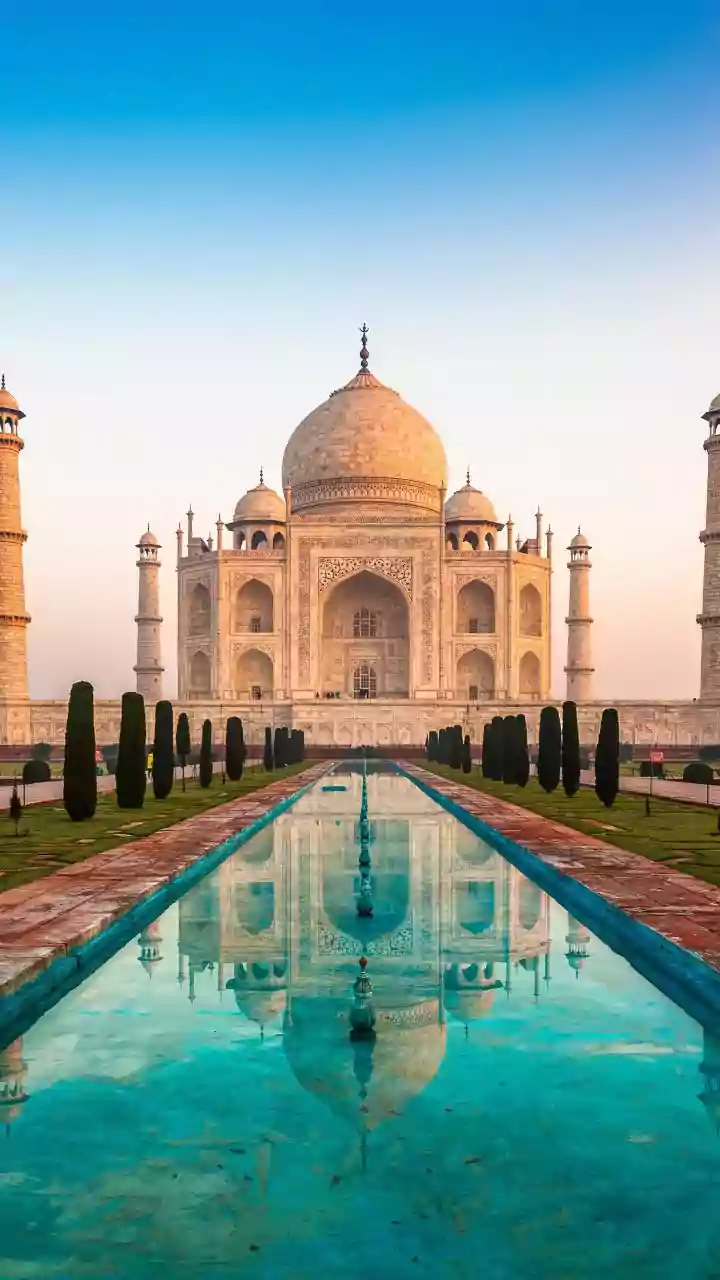
Remember the travel content of the 2010s? It was a glossy, high-production fantasy of consumption. The goal was to inspire envy with drone shots of dramatic landscapes, impossibly perfect meals, and luxurious hotel suites that felt both aspirational and unattainable.
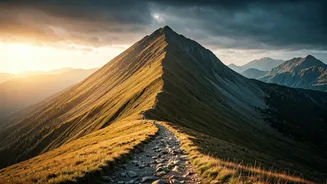
That era is fading. In its place, something more grounded and thoughtful is emerging: travel content in "conservation mode." This new approach trades spectacle for substance. It's less about ticking off a bucket list and more about the quality of the experience. The aesthetic has changed, favouring authenticity over aspiration. Think less about the perfect shot for social media and more about genuine connection—to a place, its culture, and its people. The new content prioritizes stories of impact, learning, and mindful presence. It’s a move away from performative travel and towards purposeful exploration.
The Rise of the 'Slow Travel' Mindset
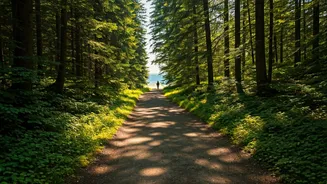
A key driver of this shift is the growing popularity of "slow travel." An offshoot of the slow food movement that began in Italy, slow travel is about prioritizing quality over quantity. It’s not simply about a slower pace, but about making more intentional choices. Instead of jet-setting between multiple cities in a week, a slow traveler might spend that entire time in one region, using local transport like trains or buses, staying in locally-owned accommodations, and taking the time to understand the rhythm of daily life. This approach inherently reduces a traveler's carbon footprint and ensures that tourist money is more likely to support the local economy. The content that emerges from this style of travel is naturally different—it’s deeper, more personal, and focused on the journey itself, not just the destination highlights.
Why the Shift Is Happening Now
Several factors are converging to push travel content in this direction. The post-pandemic world has led many to re-evaluate their priorities, with a greater emphasis on wellness and meaningful experiences. There’s also widespread audience fatigue; people are tired of seeing the same staged, picture-perfect shots and are craving more relatable content. More importantly, a growing awareness of tourism's negative impacts—from over-tourism in popular destinations to the industry's significant carbon footprint—has made both creators and consumers more eco-conscious. Younger generations, in particular, report that a brand's or destination's sustainability practices heavily influence their travel decisions. As a result, influencers and brands are responding, knowing that authenticity and a genuine commitment to responsible travel are now crucial for credibility.
What 'Conservation Mode' Looks Like in Practice
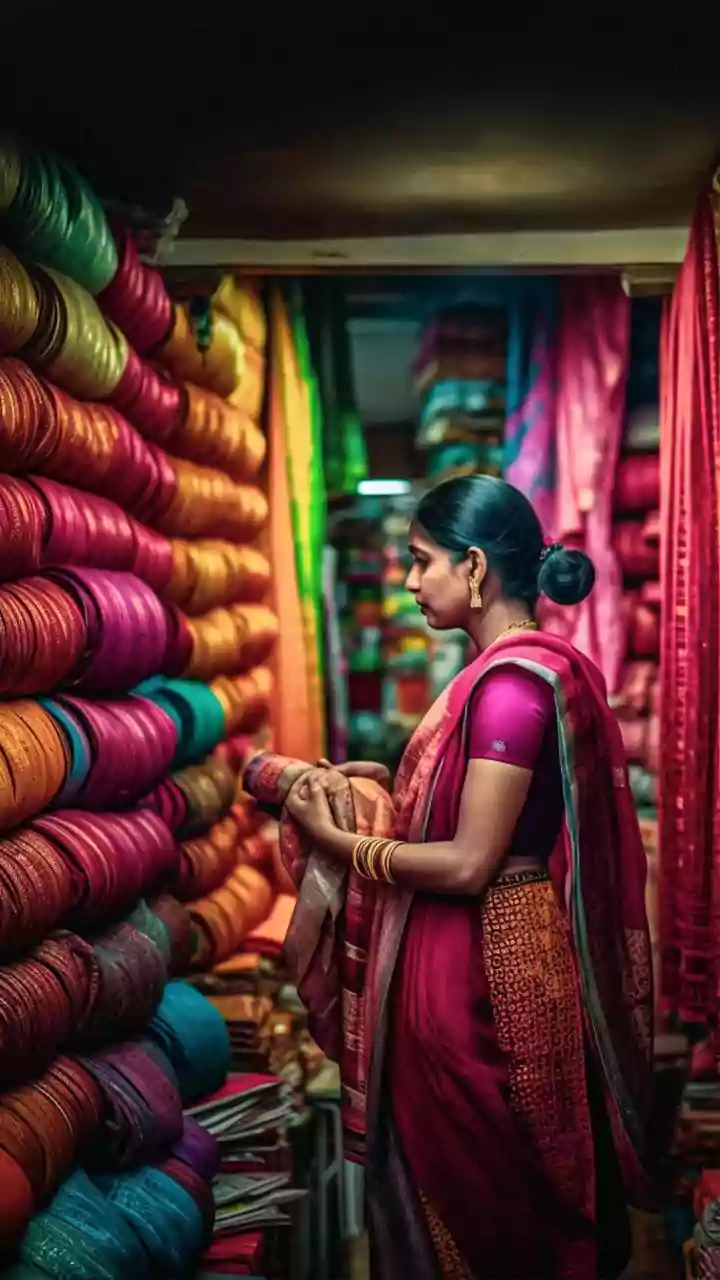
On your feed, this new era manifests in several ways. You'll see more content promoting lesser-known destinations or "destination dupes" to combat overcrowding. There's a focus on eco-friendly accommodations, nature-based tourism, and community-centric experiences that benefit locals. Content creators are increasingly transparent about the realities of travel, sharing not just the highlights but the challenges, too. They might create guides on how to minimize plastic use, respect wildlife, or support local artisans. The new travel brag isn't about how much a trip cost, but about the positive impact it had—or the personal growth it inspired. The focus has moved from what you can take from a place (a photo, a souvenir) to what you can contribute or learn.