

The Search for a Unique Identity
In an era of look-alike social media feeds and globalised trends, the modern Indian apartment has become a canvas for personal expression. Decorators and homeowners are consciously moving away from the 'catalogue' look, where every home features the same
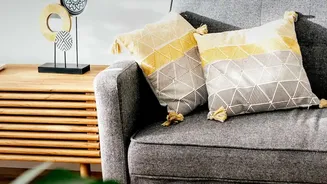
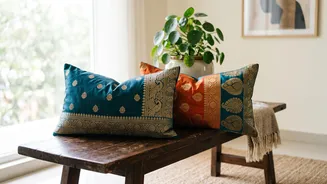
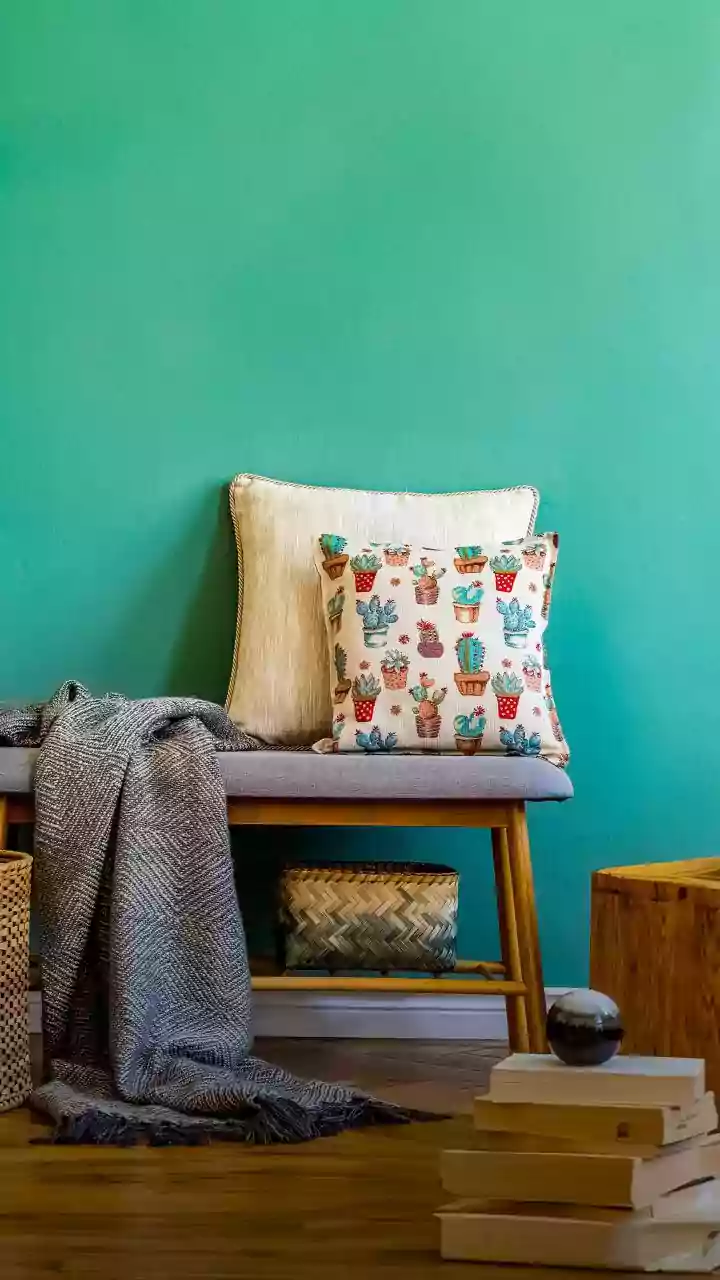
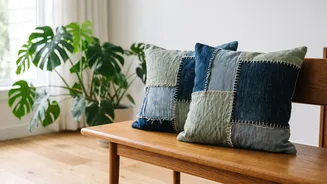
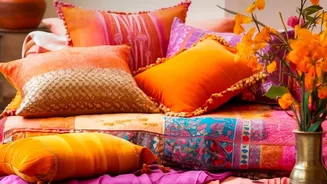
factory-made items. Handcrafted pieces, by their very nature, are unique. A hand-painted ceramic vase, a block-printed cushion cover, or a hand-carved wooden bowl has minor variations and imperfections that tell a story of human touch. This uniqueness makes a home feel curated and personal, reflecting the owner's taste rather than a prevailing fad. It's a direct response to the uniformity of plastic decor, offering a piece of decor that is genuinely one-of-a-kind.
A Conscious Step Towards Sustainability
The environmental cost of plastic is a growing concern for many urban consumers. The 'fast decor' trend, much like fast fashion, encourages a cycle of buying cheap, disposable items that quickly end up in landfills. Artisanal pieces often represent a more sustainable choice. They are typically made from natural, locally sourced materials like terracotta, jute, cane, teak wood, and cotton — all biodegradable and better suited to the Indian climate. By choosing a handcrafted item, consumers are not only reducing plastic waste but also investing in a product made with eco-friendly practices. This conscious consumption aligns with a broader desire to create a home that is not just beautiful, but also kind to the planet.
Connecting with Heritage and Craftsmanship
There's a story behind every artisanal product — a story of a craftsperson, a community, and a tradition that may have been passed down through generations. In India, a country with an incredibly rich and diverse craft heritage, this connection is especially powerful. Buying a piece of Dhokra metal art from Bastar or a hand-painted Pichwai from Rajasthan is more than just a transaction; it's an act of preserving cultural heritage. It supports local artisan communities and ensures these valuable skills continue to thrive. This narrative adds a layer of depth and meaning to an object that a mass-produced plastic item can never replicate. The piece becomes a conversation starter, infused with the soul of its maker.
An Investment in Quality and Timelessness
While a plastic decorative object might be cheaper upfront, handcrafted items are often seen as a long-term investment. Artisans take pride in their work, using high-quality materials and meticulous techniques to create pieces that are built to last. A well-made handcrafted item ages gracefully, often gaining character over time and becoming a potential heirloom. In contrast, trendy plastic decor can quickly look dated and is more prone to breaking or showing wear. The higher price point of an artisanal piece reflects the skill, time, and quality materials involved. Homeowners are increasingly willing to pay this premium for an item that offers enduring style and durability over fleeting, low-quality trends.
The Warmth of Natural Textures
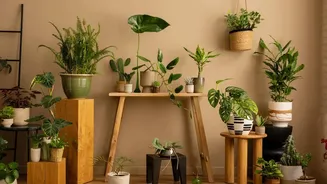
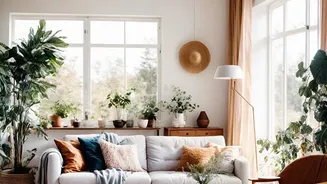
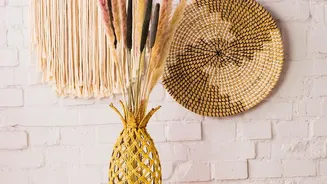
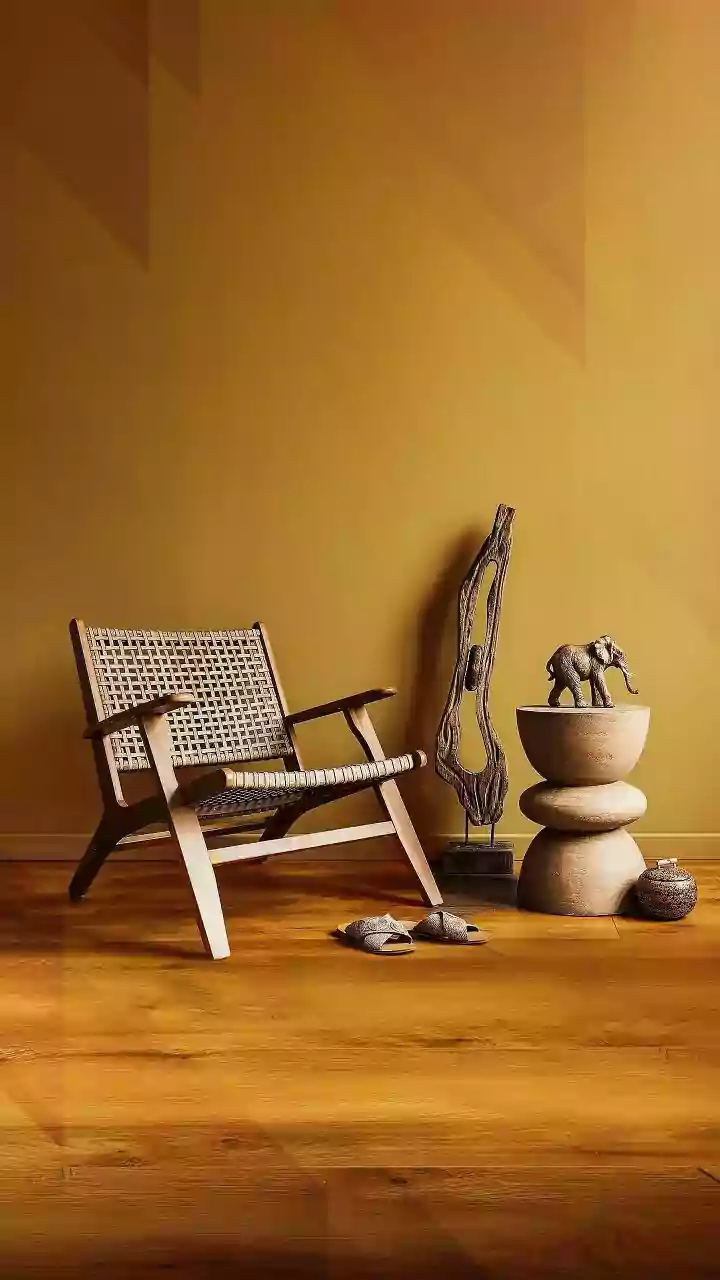
Interior design in 2026 is leaning heavily into warmth, texture, and creating spaces that feel lived-in and comfortable. Sterile, perfect-looking interiors are being replaced by layered, tactile environments. Artisanal goods, made from materials like wood, clay, wool, and natural fibres, bring an organic warmth that plastic cannot match. The subtle imperfections and textures of a handmade object invite touch and add a sensory depth to a room. This shift is part of a larger biophilic design trend, which focuses on connecting our indoor spaces with the natural world — a particularly welcome approach in dense urban settings. It’s about creating a sanctuary that feels authentic, grounded, and human.