




The Digital Beauty Counter
The dreaded tide mark on the jawline, the ghostly pale cast in photos, the foundation that oxidises to an unnerving orange—finding the right shade is a universal struggle. For years, the solution involved trekking to a store, striping testers on your
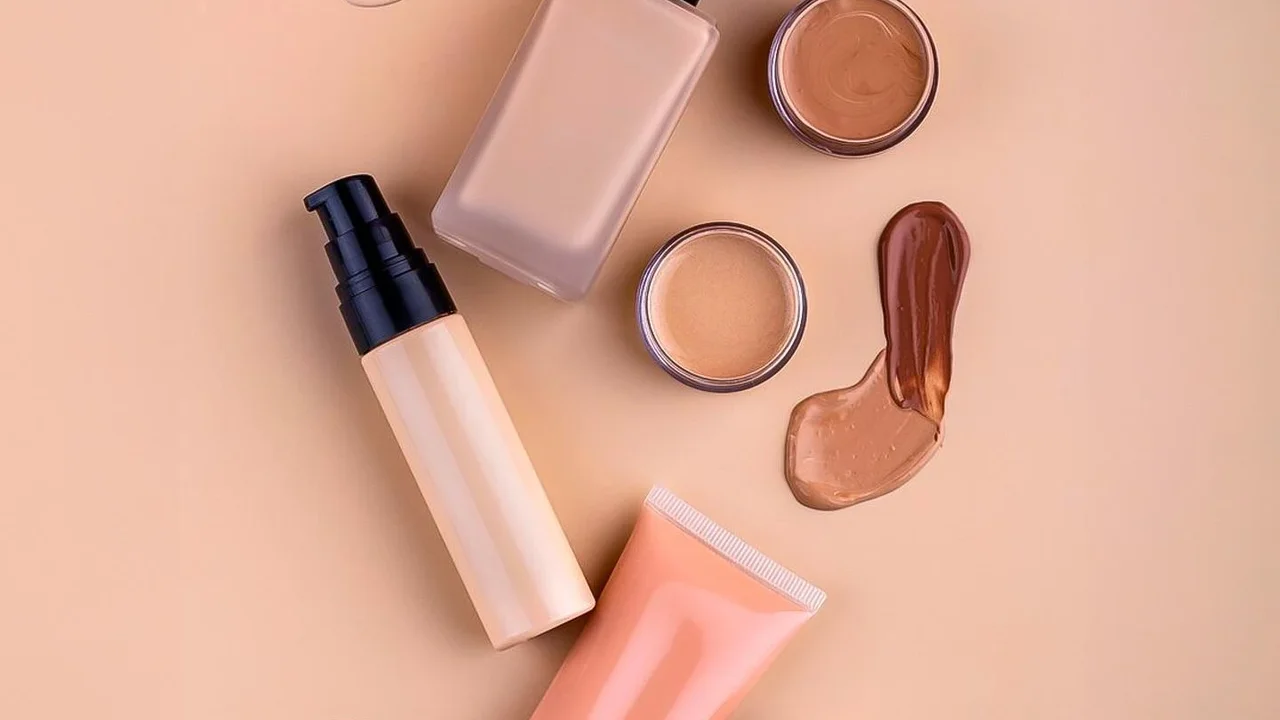
skin, and hoping for the best under harsh fluorescent lighting. Today, artificial intelligence offers a different path. Brands like Mary Kay, Clarins, and countless others available at retailers like Sephora have rolled out AI-powered shade finders. These tools, available on websites and apps, use your phone's camera to scan your skin and recommend a product, promising a perfect match without you ever leaving home. The goal is to reduce the costly problem of returns driven by shade mismatches and give consumers the confidence to buy foundation online.
How the Magic Tries to Happen
So, how does it work? Most AI shade finders use computer vision to analyse a selfie or a live video of your face. The algorithm identifies your skin, breaks it down into thousands of pixels, and measures the unique colour values present. It looks for undertones—the subtle cool (pink/red), warm (yellow/gold), or neutral hues beneath your skin's surface—which are notoriously difficult for the untrained eye to spot. The system then compares your specific skin data against its vast database of foundation shades to find the closest match. Some advanced in-store versions, like Clarins' AI Shade Finder, even use spectroscopy, turning a smartphone's flash into a scientific tool to analyse how light reflects off your skin for a more precise reading.
The Big Problem With Pixels
Despite the sophisticated technology, the results can be inconsistent. The single biggest variable is lighting. A photo taken in warm bathroom light will yield a completely different result than one taken in cool, natural daylight by a window. Your smartphone's camera, no matter how advanced, isn't a calibrated scientific instrument and can't always correct for these environmental factors. This explains why some users get a flawless match while others are left with a shade that’s completely wrong. Furthermore, the colour you see on your screen might not be the true colour of the product. Screen calibration varies wildly between devices, meaning the 'perfect' shade on your phone could look entirely different in the bottle and even more different on your skin.
The Bias in the Algorithm
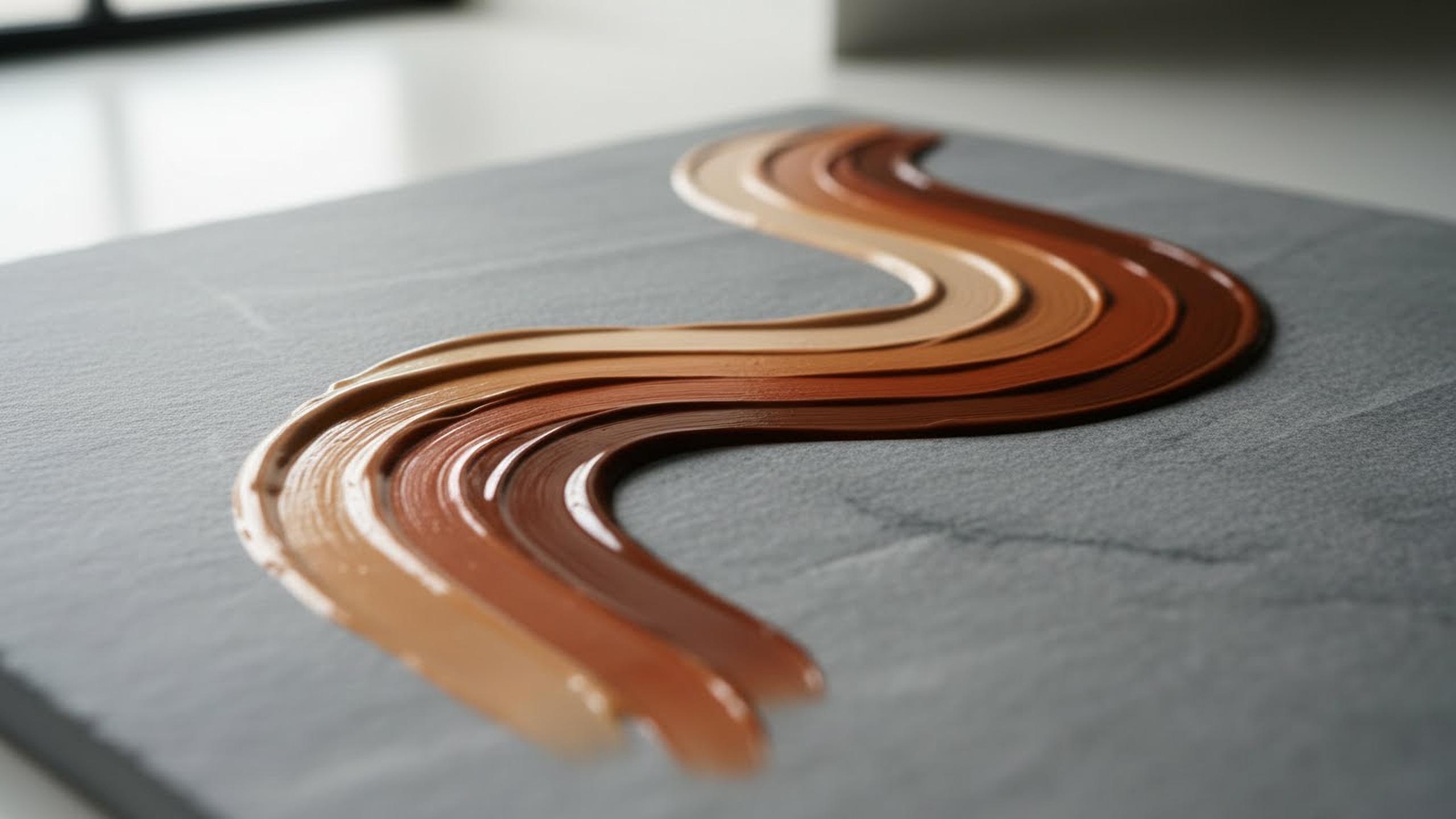
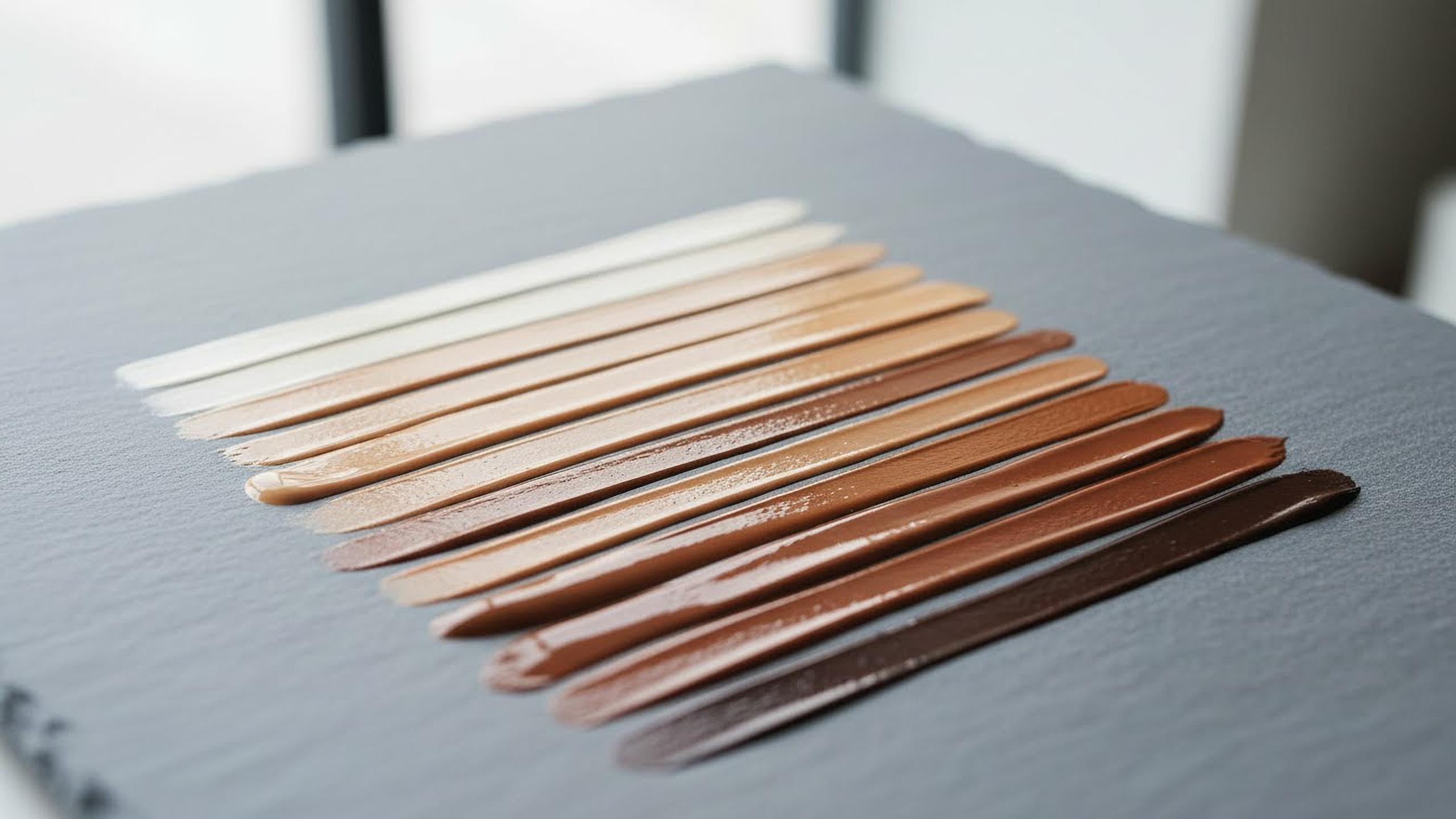
A deeper and more significant issue is algorithmic bias. An AI is only as smart as the data it's trained on. Historically, the beauty industry has catered predominantly to lighter skin tones, and this bias can be built directly into the technology. If an AI is trained on a dataset that underrepresents darker skin tones, its ability to accurately match those shades will be compromised. Seminal research has shown that facial analysis systems often have higher error rates for women with darker skin. This can lead to frustrating and alienating experiences, where the technology not only fails to provide an accurate match but also reinforces exclusionary beauty standards. While many companies are actively working to diversify their data, it remains a critical challenge for the industry.
Your Guide to Getting a Better Match
Given these limitations, you shouldn't treat an AI recommendation as a guaranteed perfect match. Instead, think of it as a highly educated starting point. It’s a tool to narrow down a brand's 40-plus shades to a more manageable two or three options. To get the most accurate reading possible, follow a few best practices. Always take your photo in bright, indirect natural light—facing a window is ideal. Make sure your face is clean, without any makeup, and pull your hair back. Take several photos in slightly different positions to give the AI more data to work with. Once you have your recommended shades, don't immediately click 'buy.' Use these suggestions to guide your next step, which should ideally be trying a sample. Many brands offer sample cards or mini sizes for a low cost, allowing you to test the shade in different lighting conditions and see how it wears throughout the day before committing to a full bottle.