




Which Carmakers Are Raising Prices?
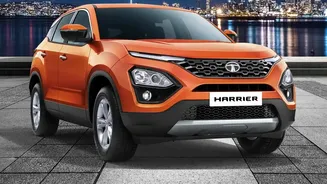
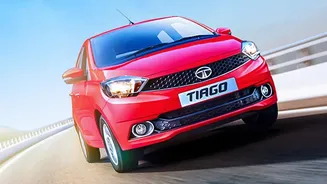
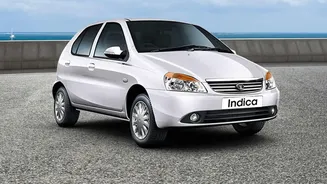
A fresh round of price hikes is sweeping the Indian auto market. Tata Motors has announced an increase of up to ₹25,000 across its entire passenger vehicle portfolio, including both petrol/diesel (ICE) and electric (EV) models, effective September 1.
This is not an isolated event. Hyundai Motor India is also raising prices by up to 1% across its model range from September. These companies join others like Maruti Suzuki, which already implemented a price revision in August of up to ₹30,000 on certain models. Mahindra & Mahindra also increased prices on its vehicles in July. This trend indicates a widespread cost pressure affecting most major players in the industry.
Why Are Car Prices Going Up Again?
Manufacturers consistently point to a common set of challenges. The primary driver is the rising cost of raw materials and inputs needed for manufacturing. Persistent inflation and higher commodity prices have made it more expensive to build cars. Additionally, carmakers cite higher operational expenses and macroeconomic uncertainties, including disruptions to global trade, as contributing factors. While companies state they they absorb a significant portion of these rising costs, they are now passing some of the burden onto customers to protect their margins. This is the third time in 2026 that both Tata Motors and Hyundai have increased their prices.
The Real Impact on Your Budget
What do these percentages and figures mean for you? A 1% hike on a car priced at ₹10 lakh translates to an extra ₹10,000, while a ₹20 lakh vehicle could see its price jump by ₹20,000. Tata's hike is capped at ₹25,000, but this will vary depending on the specific model and variant. An entry-level hatchback may see a smaller increase, while a top-end SUV could face the full ₹25,000 hike. It's crucial to remember these increases apply to the ex-showroom price, which will also proportionally increase the on-road cost, including registration and insurance.
The Big Question: Buy Now or Wait?
This is the classic dilemma. Buying before September 1 locks in the current, lower price, potentially saving you a significant amount, especially on higher-end models. Dealerships may also be keen to clear existing inventory in August, creating opportunities for negotiation. However, a hasty purchase is never wise. Waiting has its own potential advantages. The upcoming festive season (typically October-November) is known for attractive discounts, special editions, and finance schemes as manufacturers compete for customers. Sometimes, these festive offers can offset or even surpass the savings from avoiding a price hike. Your decision should hinge on whether your preferred model is available with a good deal now versus the potential for better, broader offers in a couple of months.
A Checklist for August Buyers
If you're leaning towards buying this month, here’s how to proceed. First, contact multiple dealerships to compare offers on your desired car. Don't just focus on the ex-showroom price; negotiate the final on-road price, which includes insurance and accessories. You can often find significant savings by purchasing insurance from an outside provider rather than the dealership's default option. Ask about any available corporate discounts, exchange bonuses for your old car, and deals on 2025 models if any are still in stock. Be prepared to act quickly but don't feel pressured into a deal that doesn't feel right. A few weeks of waiting for the right festive deal might be more beneficial than rushing to beat the September 1 deadline.