




Master the Post-Walk Dry-Down
The number one rule for odour control is to never let a damp pet roam free. Moisture is the main culprit behind that 'wet dog smell,' as it helps bacteria and yeast on their coat multiply. These microorganisms release smelly compounds when wet. Create
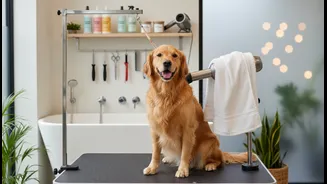
a dedicated drying station by your entrance. Stock it with highly absorbent microfibre towels and pet-safe wipes. Thoroughly towel-dry your pet the moment they step inside, paying special attention to paws, underbelly, and ears. For long-haired breeds, a pet-safe hairdryer on a low, cool setting can be a game-changer in preventing fungal infections and lingering dampness.
Upgrade Your Grooming Regimen
Monsoon grooming is about prevention, not just cleaning. Daily brushing is non-negotiable. It removes loose fur, dirt, and trapped moisture that can cause odours and skin issues. This also allows air to circulate through the coat, helping it stay dry. While you should avoid over-bathing, which strips natural oils, a bath every 15-20 days with a vet-recommended anti-fungal or deodorising shampoo can be beneficial. Between baths, consider using a DIY dry shampoo made from cornstarch and baking soda to absorb excess oil and neutralise smells naturally.
Defend Your Home Environment
Your pet’s odour doesn't exist in a vacuum; it clings to your home. Increase ventilation by opening windows whenever the rain stops to reduce indoor humidity. Washing your pet’s bedding, blankets, and toys more frequently—at least once a week—is crucial, as these fabric items are magnets for odour-causing bacteria. For hard floors, use a pet-safe cleaner. Sprinkling baking soda on carpets and rugs for 15-30 minutes before vacuuming is an effective, pet-safe way to absorb lingering smells from the fibres.
Implement a Paw Care Protocol
Paws track in mud and moisture, making them a primary source of odour and a breeding ground for infections. The hair between paw pads can trap significant debris and bacteria, so keeping it trimmed is a good preventative measure. After every single walk, clean your pet's paws. You can use pet-safe wipes, a paw-cleaning plunger, or simply a soft cloth with lukewarm water. Always dry them thoroughly afterwards. This simple, disciplined act prevents your pet from spreading mud and germs throughout the house and protects them from painful skin inflammation.
Neutralise, Don't Just Mask
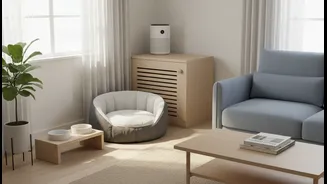
Many commercial air fresheners can be overpowering or even harmful to pets. Instead of masking odours with strong perfumes, focus on neutralising them at the source. Enzymatic cleaners are excellent for tackling accidents on carpets or upholstery, as they break down the organic compounds that cause smells rather than just covering them up. Placing bowls of activated charcoal or baking soda in rooms where your pet spends a lot of time can help passively absorb odours from the air. An air purifier with a HEPA filter can also significantly reduce airborne pet dander and odour particles.