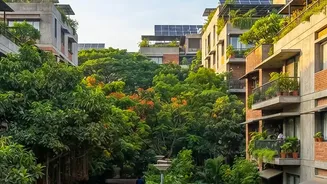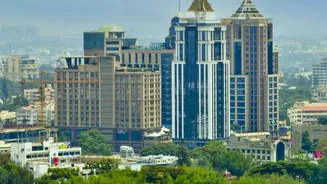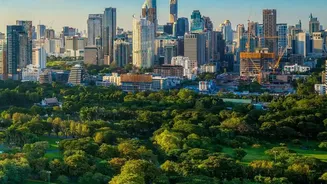

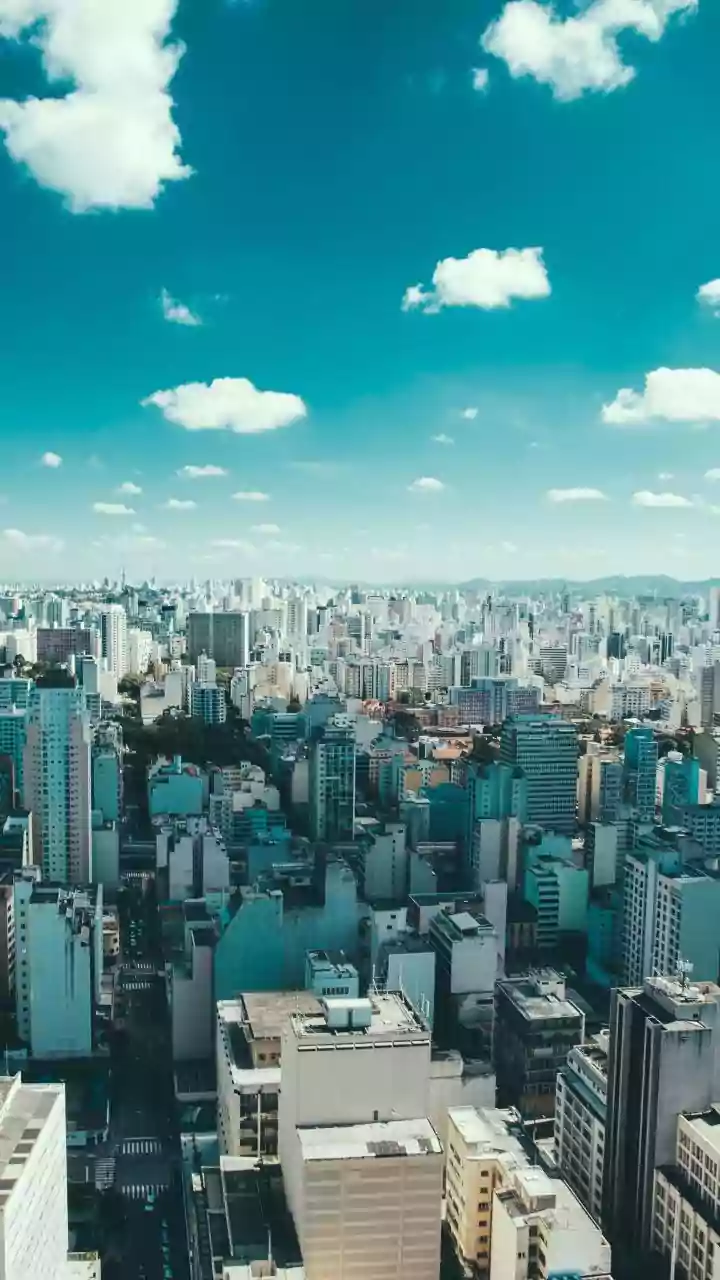




Look past the concrete towers and crowded streets of India’s cities, and you’ll find a rebellion. It’s a quiet, green uprising where nature, against all odds, is reclaiming space and proving that even the most urbanised landscape has a wild heart.
Life Finds A Way
We often
think of nature in the city as something confined to manicured parks and designated green belts. But the real story is far more interesting. It’s found in the peepal sapling persistently pushing through a brick wall, the resilient wildflowers blooming in the dusty median of a highway, and the tenacious ferns making a home in the cracks of a footpath. This is spontaneous nature, an unplanned, uncurated ecosystem that thrives in the overlooked nooks and crannies of our urban world. These micro-jungles are not just weeds; they are powerful symbols of resilience, adapting to the harshest conditions and forming complex habitats for tiny insects and organisms. They demonstrate that the city isn't a sterile human-only zone but a dynamic landscape where life is constantly negotiating its place.
Delhi’s Unlikely Green Lungs
On a grander scale, consider the Delhi Ridge, a sprawling forest that is often called the city's lungs. This is not a recent plantation but a remnant of the ancient Aravalli Range, a rugged ecosystem that has survived for centuries amidst urban expansion. The Ridge is a vital urban jungle, serving as a massive carbon sink, purifying the air, and replenishing the city's dwindling groundwater. It's a biodiversity hotspot, home to numerous species of birds, mammals, and reptiles that have adapted to city life. Despite facing threats from encroachment and illegal construction, the Ridge stands as a testament to the critical role these large natural spaces play in making a megacity liveable. It is a constant reminder of the deep-seated ecological history that underpins even our most modern metropolises.
Mumbai’s Coastal Guardians
Along Mumbai’s coast, another type of urban jungle performs a life-saving role: the mangrove forests. These dense thickets of salt-tolerant trees are one of the world's largest urban mangrove zones. They thrive in the brackish water of creeks and estuaries, forming a natural barrier that protects the city from storm surges and coastal erosion, a lesson learned tragically during the 2005 floods. These forests are also crucial breeding grounds for fish and support a rich diversity of bird and marine life, including thousands of flamingos that visit annually. Despite significant losses to urban development, pockets of these mangrove ecosystems in places like Thane Creek and Vikhroli are fiercely protected, serving as vital green infrastructure and biodiversity havens in the heart of India's financial capital.
Why These Wild Spaces Matter
The thriving of these urban jungles, both big and small, is more than just a charming quirk of city life; it’s essential for our collective well-being. These spaces provide critical ecosystem services, from mitigating the urban heat island effect to purifying air and water. Studies have shown that exposure to green spaces, especially those with greater biodiversity, has significant psychological benefits, reducing stress and improving mental health. As Indian cities continue to grow, urban planners and citizens are increasingly recognising the value of these wild spaces. Initiatives to rewild degraded lands, create biodiversity parks, and protect existing natural features are gaining momentum, shifting the focus from simple beautification to creating truly resilient and ecologically harmonious cities.