

The Old Wisdom vs. The New Reality
Traditionally, the arrival of monsoon rains meant gardeners could put their feet up. Rain meant no watering, simple as that. While the logic is sound on the surface, the latest understanding of plant health, especially for home gardens in pots and balconies,
reveals a more complex picture. The primary mistake gardeners make during this season is no longer under-watering, but overwatering. Intense rainfall combined with high humidity creates an environment where soil struggles to dry out, leading to the number one killer of monsoon plants: root rot.
From a Rigid Schedule to Active Observation
The fundamental change in gardening advice is the move away from a calendar-based routine to one based on active observation. The summer habit of watering daily or every other day becomes dangerous in the monsoon. High humidity slows down both evaporation from the soil and transpiration (water release) from the plant's leaves. This means soil that would dry out in a day during May might stay wet for three or four days in August. Continuing a summer schedule without considering these factors can quickly suffocate a plant's roots, which need oxygen as much as they need water.
The Finger Test: Your Most Reliable Tool
So, how do you know when to water? The answer isn't in the sky, but in the soil. The most effective and recommended method is the simple 'finger test'. Before even thinking about reaching for the watering can, insert your finger about two inches into the soil. If the soil feels damp, do not water, even if it hasn't rained or the surface looks dry. The top layer can be deceptive, drying out while the crucial root zone remains saturated. Only when that top couple of inches feels dry to the touch should you consider watering.
Drainage is Everything, Especially for Pots
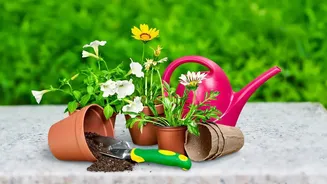
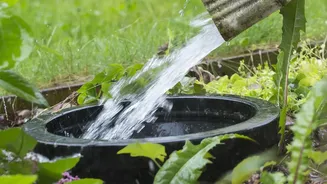
For the majority of Indian urban gardeners, plants live in containers on balconies and terraces. This makes them particularly vulnerable. Unlike plants in the ground, a potted plant has a limited volume of soil that can become waterlogged in an instant. The most critical task in August is to ensure every pot has clear, unobstructed drainage holes. It is also wise to empty the saucers or trays beneath pots after a heavy downpour, as leaving plants to sit in stagnant water is a direct invitation for root disease and even mosquitoes. Elevating pots on stands can further improve airflow and prevent waterlogging.
Listen to Your Plants and Time it Right
Different plants have different needs. A succulent that stores water will rot much faster with excess moisture than a leafy tropical that loves humidity. Signs of overwatering can be confusingly similar to underwatering, including wilting and yellowing leaves. The key difference is that an overwatered plant's soil will be wet to the touch. When you do need to water, the timing still matters. The best time remains early in the morning. This gives the plant moisture to start the day and allows any damp foliage to dry in the sun, reducing the risk of fungal diseases that thrive in the monsoon's humid conditions.