

From Waste to Wonder
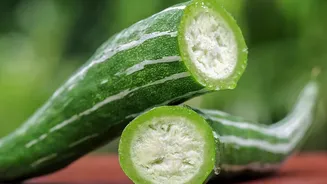
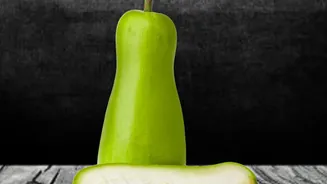
In many Indian kitchens, the peel of the humble lauki, or bottle gourd, is often discarded without a second thought. However, these peels are not just edible; they are packed with nutrients. Studies have shown that bottle gourd peel has a significantly
higher concentration of antioxidants and dietary fibre compared to the pulp. By using the peels, you are not only reducing food waste but also adding a healthy, fibrous element to your diet. This recipe reimagines the peel, turning it from a throwaway item into the star of a mouth-watering dish that is both sustainable and satisfying.
Gather Your Ingredients
This recipe relies on a handful of common pantry staples to bring the bottle gourd peels to life. You'll need: Peels from 1 medium bottle gourd (lauki), washed thoroughly 1/2 cup chana dal (split Bengal gram), soaked for 1-2 hours 1 medium onion, finely chopped 2-3 green chillies, finely chopped A generous handful of fresh coriander, chopped 1 teaspoon ginger-garlic paste 1/2 cup gram flour (besan), for binding. Spices: 1 tsp red chilli powder, 1/2 tsp turmeric powder, 1/2 tsp garam masala, 1 tsp chaat masala. Salt to taste Oil for shallow frying
Step-by-Step Preparation
First, prepare the main mixture. Boil the washed bottle gourd peels and soaked chana dal together in a pressure cooker with a little water and a pinch of salt until they are soft and mushy. Allow the mixture to cool down completely. It is crucial to drain any excess water to prevent the kebabs from becoming soggy. Once drained, transfer the mixture to a grinder or food processor and blend it into a coarse paste; avoid making it too smooth to maintain a good texture. Next, transfer the paste to a large mixing bowl. Add the finely chopped onions, green chillies, coriander leaves, and ginger-garlic paste. Mix in all the powdered spices: red chilli powder, turmeric, garam masala, and chaat masala. Combine everything thoroughly. Now, add the gram flour (besan) little by little. The besan acts as a binding agent. Mix until you have a firm, non-sticky dough that can be easily shaped. If the mixture feels too wet, add a little more besan. Let the mixture rest for about 10 minutes for the flavours to meld.
The Secret to a Crisp Outer Layer
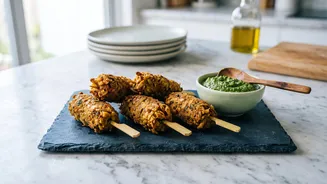
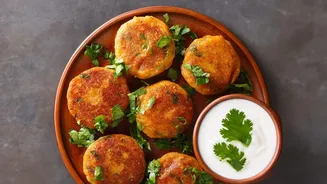
Achieving that perfect, crunchy exterior is the key to a great kebab. The first step is ensuring your kebab mixture isn't too moist; a drier mix will fry up much crisper. Chilling the shaped kebabs in the refrigerator for 15-20 minutes can also help them firm up and hold their shape better during frying. When you're ready to cook, heat a non-stick pan or tawa with a few tablespoons of oil over a medium flame. A medium heat is essential—if the oil is too hot, the kebabs will brown too quickly on the outside while remaining uncooked inside. If it's not hot enough, they will absorb too much oil and become greasy. For an extra layer of crunch, you can lightly coat the shaped kebabs in breadcrumbs or a thin layer of rice flour before frying. Place the kebabs on the pan, leaving some space between each one, and shallow fry them. Cook for 3-4 minutes on each side, flipping carefully until they are golden brown and crisp all over. Frying on a medium-low flame ensures they cook through evenly while developing a delicious crust.
Serving and Storage
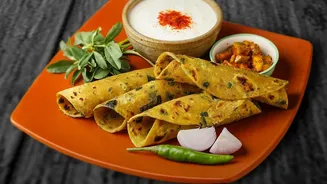
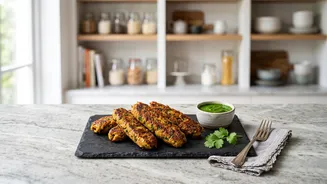
These bottle gourd peel kebabs are best served hot, straight from the pan. Their crispy texture and savoury flavour pair wonderfully with a simple mint-coriander chutney, a dollop of thick yogurt, or a tangy tamarind sauce. For a classic presentation, serve them with sliced onions and a wedge of lemon on the side. They make for a perfect tea-time snack or an impressive appetiser for guests. If you have any leftovers, they can be stored in an airtight container in the refrigerator for a day or two. To reheat, simply place them back on a hot tawa with a tiny bit of oil to bring back their crispiness.