




From Instant Gratification to Artisanal Craft
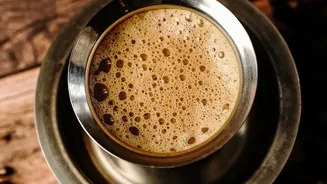
A major cultural shift is underway in India's cities. The coffee landscape, long dominated by instant brands and traditional filter coffee, is being reshaped by a younger generation of consumers. This new wave of coffee drinkers, primarily millennials
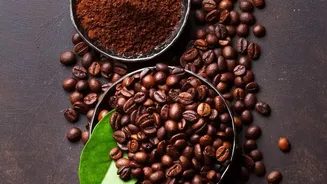
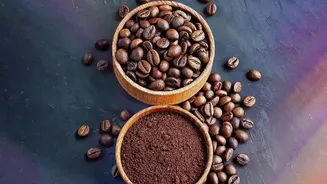
and Gen Z, is increasingly curious about what is in their cup. They are driving the 'third wave' coffee movement in India, which treats coffee as an artisanal product, much like wine or craft chocolate, rather than a mere commodity. The term 'single-origin' is at the heart of this trend. It simply means the coffee beans are sourced from a single geographical location, often a specific estate or cooperative. This focus on traceability allows drinkers to appreciate the unique flavour profile, or 'terroir', shaped by the specific soil, climate, and altitude of where the beans were grown.
The Terroir of the South
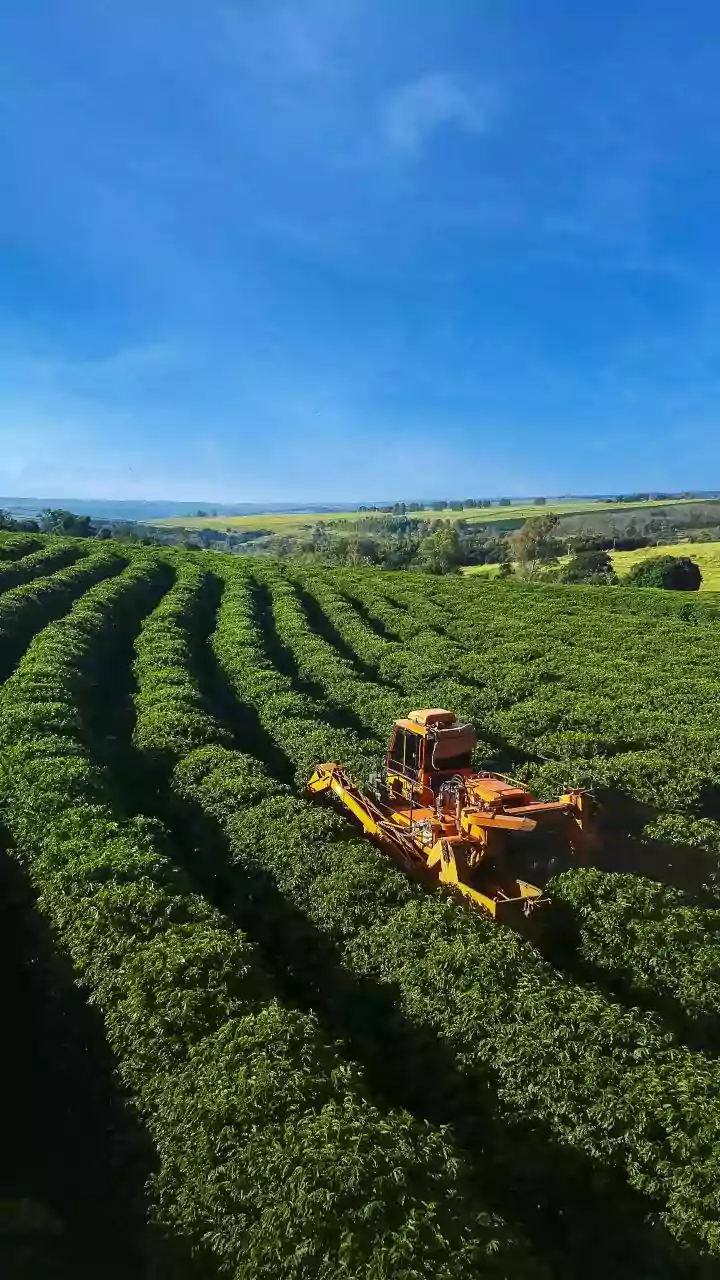
South India is the cradle of this movement, with its lush Western and Eastern Ghats providing ideal conditions for growing high-quality beans. Karnataka is the heartland, home to regions like Chikmagalur, often called the birthplace of Indian coffee, and Coorg, the country's largest coffee-producing district. Beans from Chikmagalur are often noted for their balanced acidity and chocolate notes, while Coorg coffee can have a richer body with earthy undertones. Other regions are also gaining prominence. The Araku Valley in Andhra Pradesh, known for its tribal-grown organic coffee, produces beans with a distinct fruity acidity. Meanwhile, estates in the Shevaroy Hills of Tamil Nadu and Wayanad in Kerala contribute their own unique profiles to the growing tapestry of Indian specialty coffee. This diversity allows consumers to explore a wide spectrum of tastes, from floral and delicate to bold and spicy.
The Café as a Classroom
Specialty coffee shops and micro-roasteries in metros like Bengaluru, Mumbai, and Delhi have been instrumental in this trend. Chains like Blue Tokai and Third Wave Coffee Roasters, alongside a host of independent players, have done more than just serve coffee; they have educated a new generation of consumers. These cafés act as experience hubs where baristas explain the difference between a pour-over and an AeroPress, host 'cupping' (tasting) sessions, and share the stories behind each bean. They have turned coffee consumption from a passive act into an engaging hobby. By printing roast dates on bags and highlighting the specific estate, from Ratnagiri to Baarbara Estate, they have fostered a new appreciation for freshness and provenance that was virtually impossible to find a decade ago.
More Than Just a Beverage
The appeal of single-origin coffee for urban youth goes beyond just taste. It represents a conscious consumer choice. There is a growing desire to support local economies and know the story behind a product. Choosing beans from a specific Indian estate over an imported blend aligns with a sense of local pride. Furthermore, many of these specialty brands emphasize ethical and sustainable practices, such as direct trade with farmers and organic certifications, which resonate strongly with younger, socially-aware consumers. In an age of digital identities, the choice of coffee has also become a form of self-expression. The aesthetic appeal of brewing equipment and latte art has made coffee a popular subject on social media, further fueling its cultural cachet.
The Home Brewing Boom
The movement is not confined to cafés. The pandemic accelerated a trend of home brewing, as people sought to replicate the café experience in their own kitchens. This has led to a surge in sales of manual brewing equipment and online coffee subscriptions. Direct-to-consumer (D2C) brands have made it easier than ever for someone in any city to order freshly roasted beans from a small estate in Karnataka and have them delivered in days. This democratisation of access means that a high-quality, artisanal experience is no longer the exclusive domain of coffee connoisseurs in a few select neighbourhoods. It signifies a fundamental and lasting shift in how India thinks about, and drinks, its coffee.