





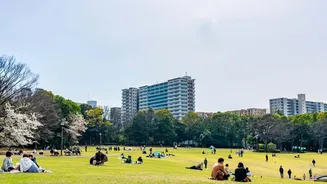


In our bustling cities, the air we breathe is often an afterthought. But a growing awareness of its impact on our health is driving a new travel trend: the quest for clean air, giving rise to the 'urban recovery holiday'.
What is an Urban Recovery Holiday?
Forget frantic sightseeing or packed
itineraries. The urban recovery holiday is a conscious choice to escape polluted environments for destinations where clean air is the main attraction. This trend, which has gained momentum in recent years, sees people planning short, often spontaneous, breaks based on air quality forecasts rather than long weekends. It's less about which landmarks to see and more about the simple, profound goal of breathing easier, sleeping better, and allowing the body to rest and recuperate from the physiological stress of poor air quality. This shift prioritises well-being at a fundamental level, moving beyond typical wellness offerings like spa treatments and toward what some call 'passive wellness'—where simply existing in a healthy environment is the therapy itself.
The Driving Forces: Health and Awareness
The rise of this travel niche is directly linked to a greater public understanding of how air pollution affects our health. Research increasingly shows that even short-term exposure to pollutants can lead to respiratory issues, allergic reactions, and diminished well-being. The post-pandemic world has left many with a heightened sensitivity to respiratory health, making clean air a tangible and desirable asset. In regions like Delhi-NCR, travel agencies have noted a significant spike in bookings from major cities during peak pollution weeks, with families seeking refuge for young children and elderly parents in the cleaner air of nearby mountains and coastal towns. This isn't just a fleeting desire; it's a direct response to a degraded home environment, turning a vacation into a necessary act of self-preservation.
From Urban Smog to Green Sanctuaries
While the term 'urban recovery' might suggest an escape from cities, the destinations of choice are varied. The most immediate options are often smaller towns and nature reserves located a few hours' drive from major metropolitan areas. For residents of North Indian cities, this means destinations in Uttarakhand and Himachal Pradesh like Corbett, Dharamshala, and the Tirthan Valley. For others, it might mean flying to places known for their pristine environments. Cities like Zurich, Reykjavik, and Bergen consistently rank among the world's cleanest for air quality, thanks to factors like renewable energy use and green infrastructure. Destinations in New Zealand, Costa Rica, and parts of Australia and Canada are also popular, promoting their low pollution levels and commitment to sustainable tourism. The key is finding a place where the environment itself promotes vitality.
A Broader Shift in Travel Values
The search for clean air is part of a larger evolution in travel, moving toward more intentional and restorative experiences. Travellers are increasingly looking for 'slow travel', where the goal is to immerse oneself in a single, peaceful location rather than rushing through a checklist of sights. There is a growing preference for quieter destinations, with surveys showing that nearly 90% of travellers would rather stay in one spot and immerse themselves in nature. This aligns perfectly with the ethos of an urban recovery holiday, where the experience is about restoration, not optimisation. It reflects a desire to return from a trip feeling genuinely better, not just distracted.
The Future is Fresh Air
As urban pollution remains a persistent global issue, the demand for clean-air holidays is expected to grow. The travel industry is taking note, with hotels and resorts beginning to market air quality as a key amenity. Some are investing in advanced air purification systems, while others simply leverage their pristine natural locations. This trend underscores a fundamental change in how we perceive luxury and well-being. It’s no longer just about lavish amenities, but about access to fundamental elements of health, like clean air and quiet spaces. As more travellers prioritise their well being, the simple act of taking a deep, clean breath may become the ultimate travel goal.