

The Showstopper: Perseid Meteor Shower
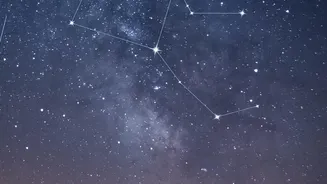
The absolute highlight of August is the annual Perseid meteor shower, and 2026 is set to be one of the best years to watch it. The shower peaks on the night of August 12 and into the pre-dawn hours of August 13. What makes this year so special is that
the peak coincides perfectly with a New Moon. This means the sky will be exceptionally dark, with no moonlight to wash out the fainter meteors. Under ideal conditions, away from city lights, you could see up to 100 meteors per hour. For viewers in India, the best time to watch will be from about 2:00 AM to 4:30 AM IST on August 13, when the shower's radiant point in the constellation Perseus is high in the northeastern sky. These meteors are the dusty debris left behind by Comet Swift-Tuttle, and they hit our atmosphere at a blistering 59 kilometres per second.
A Parade of Planets Before Dawn
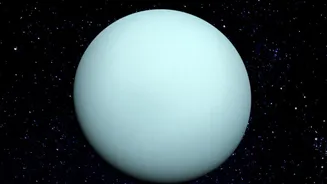
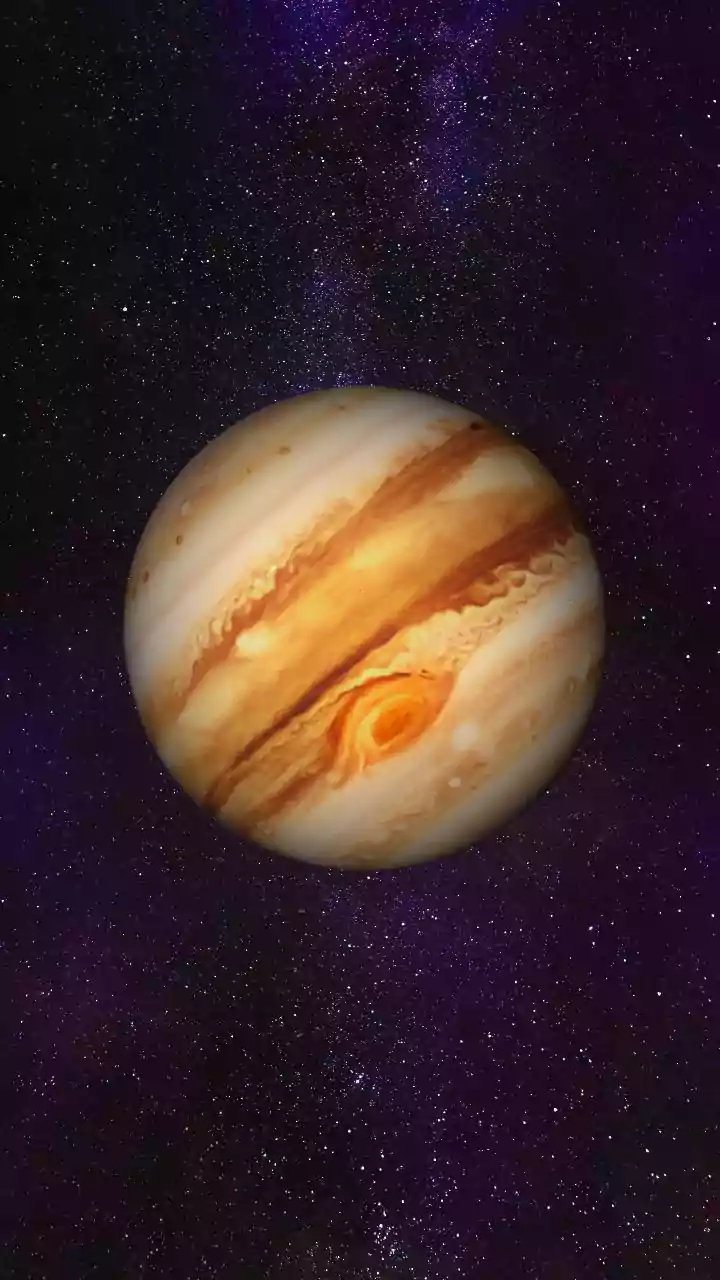
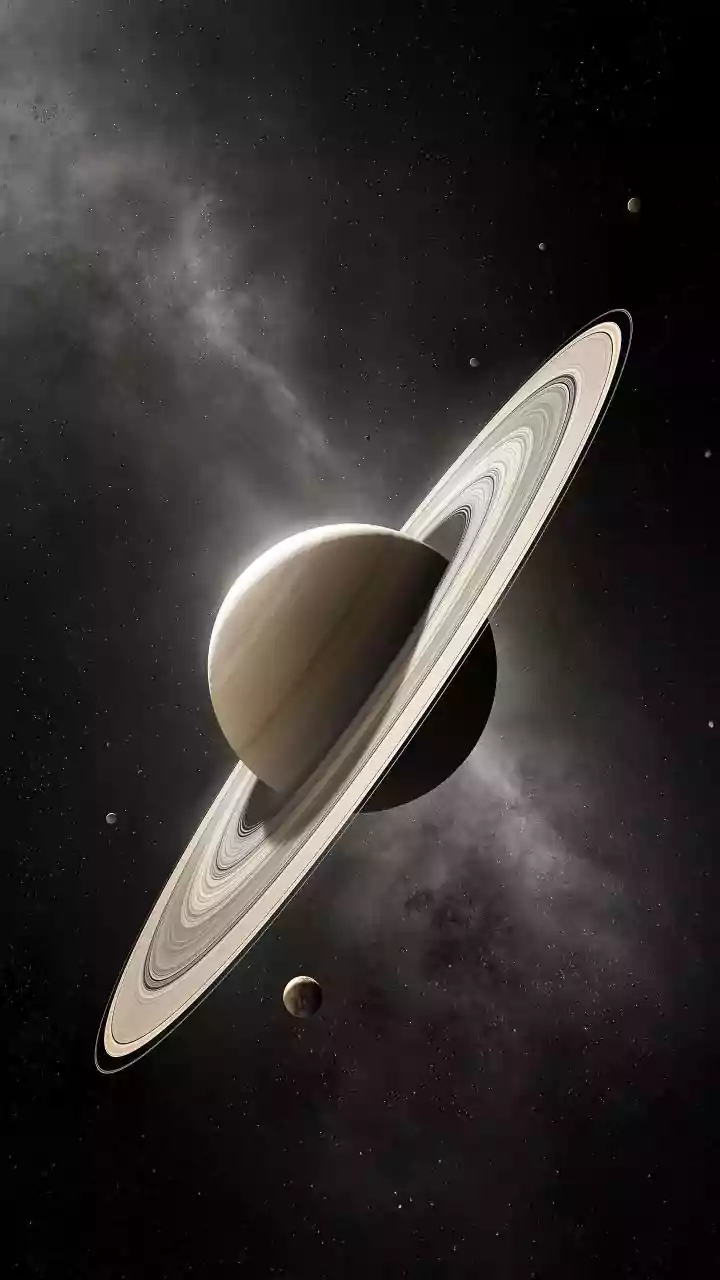
On the morning of August 12, just before sunrise, skywatchers will have the chance to see a 'planet parade'. Six planets—Mercury, Jupiter, Mars, Saturn, Uranus, and Neptune—will be stretched across the sky. From India, Mars and Saturn should be fairly easy to spot with the naked eye. Venus will also be a brilliant beacon, dominating the western sky in the evenings all month long. On August 15, there’s a special treat as the crescent Moon will appear very close to the dazzling Venus in the evening. That same morning, Jupiter and Mercury will also have a close conjunction, though they will be very low on the eastern horizon just before sunrise.
The Sturgeon Moon and a Partial Eclipse
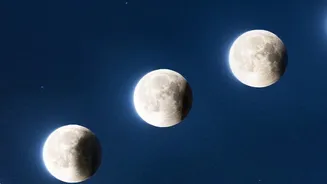
August's full moon, known as the Sturgeon Moon, will rise on the night of August 27 and reach its peak illumination in the early hours of August 28 for observers in India. The name comes from Native American traditions, marking the time when sturgeon fish were most easily caught in the Great Lakes. This year’s Sturgeon Moon is accompanied by a deep partial lunar eclipse. However, the eclipse will be primarily visible from North and South America and will not be seen from India. On this night, the full moon also coincides with the Hindu festival of Raksha Bandhan, adding a cultural significance to the celestial event.
Tips for Viewing in India
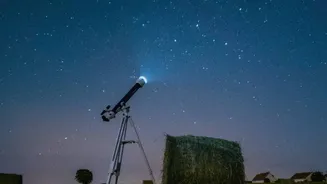
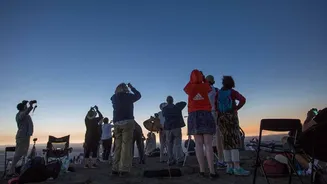
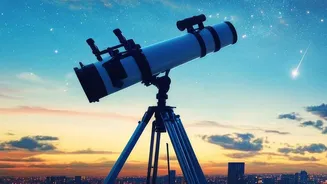
The biggest challenge for skywatching in India during August is the monsoon. Cloud cover can be a major obstacle for most of the country. However, there are ways to increase your chances of a successful viewing. Firstly, be patient and flexible. Check weather forecasts frequently and be ready to head out if a clear window appears, often right after a spell of rain. Secondly, escape the city lights. Light pollution drastically reduces what you can see. Even a short drive away from the city can make a huge difference. For the most dedicated observers wanting to guarantee a clear view of the Perseids, travelling to a rain-shadow region is the best bet. High-altitude deserts like Hanle in Ladakh (India's first official Dark Sky Reserve) and the Spiti Valley in Himachal Pradesh are largely unaffected by the monsoon and offer some of the clearest, darkest skies in Asia. Other excellent, more accessible locations include the Rann of Kutch in Gujarat and the desert around Jaisalmer in Rajasthan.