



Why Paws Need Extra Care Now
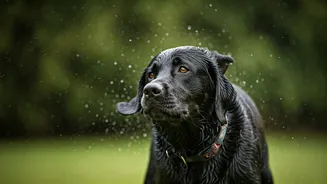
During the monsoon, your dog’s paws are constantly exposed to moisture, mud, and contaminated water. Puddles aren't just water; they can be a cocktail of bacteria (like Leptospira, which causes the serious disease Leptospirosis), fungi, parasites, and chemical
pollutants from street runoff. Constant dampness softens the paw pads, making them more susceptible to cuts, cracks, and infections. Fungal and bacterial infections thrive in the warm, moist environment between the toes, leading to a painful condition known as pododermatitis. Ignoring this can lead to itching, limping, and costly vet visits.
The Post-Walk Cleaning Ritual
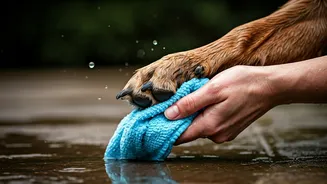
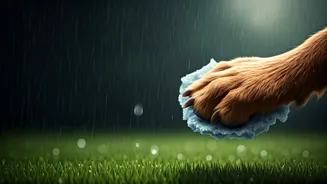
Every single walk, no matter how short, should be followed by a cleaning routine. Simply wiping with a dry cloth isn't enough. The best practice is to wash your pet’s paws with lukewarm water. You can use a gentle, pet-friendly antiseptic solution recommended by your vet, but plain water is often sufficient to remove most of the grime. Use a soft cloth or your fingers to gently clean between the toes and around the nails, where mud and debris love to hide. For quick clean-ups or when you're on the go, high-quality, pet-safe wet wipes can be a lifesaver, but they shouldn't replace a proper wash after a particularly muddy outing.
Drying Is Not an Optional Step
This is the step many pet owners miss, but it’s just as important as washing. Fungi and bacteria flourish in damp conditions. Leaving your pet’s paws wet after cleaning creates the perfect environment for an infection to take hold. After every wash, take a few extra minutes to dry their paws thoroughly with a clean, absorbent towel. Pay special attention to the areas between the paw pads. For long-haired breeds, this is even more critical. If your dog is comfortable with it, you can use a hairdryer on the lowest heat and speed setting, holding it at a safe distance to ensure the paws are completely dry.
Inspect Paws Daily
Make paw inspection a part of your daily routine, perhaps during a belly rub or evening cuddle. It only takes a minute. Gently spread their toes and look for any signs of trouble. Red flags include redness, swelling, unusual discharge, or any sores or cuts. Also, watch your pet’s behaviour. Are they excessively licking or chewing at their paws? Is there a foul odour? Do they seem to be in pain or limping? Catching these signs early can prevent a minor irritation from escalating into a severe infection that requires aggressive treatment. Regular inspection helps you understand what’s normal for your pet’s paws and what’s not.
Consider Protective Barriers
If you live in an area with particularly bad waterlogging or if your dog has sensitive paws, consider using protective gear. Dog booties are an excellent way to keep paws clean and dry during walks. It may take some time for your pet to get used to them, so introduce them slowly with plenty of positive reinforcement. Another option is a paw balm or wax. When applied before a walk, these products form a semi-permeable barrier on the paw pads, helping to repel water and protect against rough surfaces and chemical irritants. They also help to moisturise and prevent pads from cracking.
When to See The Vet
While good hygiene can prevent most issues, some problems require professional help. You should consult your veterinarian immediately if you notice persistent limping, open sores that won't heal, significant swelling, or a strong, unpleasant smell coming from the paws. If your pet seems lethargic, has a fever, or shows other signs of illness after walking through floodwater, it could be a sign of a serious systemic infection like Leptospirosis. Don't try to treat infections with home remedies without a proper diagnosis; you could make the problem worse. Your vet can provide the right diagnosis and treatment to get your furry friend back on their feet.