






The Pre-Trip Glow-Up: Saving Strategically
Dreaming of a solo trip is the easy part; funding it is where the makeover begins. Gen Z is prioritizing travel, often cutting back on other goods to make it happen. Start by setting a clear, realistic goal. Research your dream destination to estimate
costs for flights, accommodation, and daily expenses, then add a 15% buffer for surprises. Break this total down into a weekly savings target. Seeing it as smaller, achievable chunks makes the goal feel less intimidating. Automate your savings by setting up recurring transfers to a separate high-yield savings account on payday. This creates a dedicated travel fund you won’t accidentally spend. To accelerate savings, consider your spending patterns. Are there subscriptions you can pause? Can you cut back on dining out? Research shows half of Gen Z is willing to skip restaurant meals to get closer to their next trip. Every small saving adds up, building the foundation for your adventure without requiring drastic, unsustainable cuts to your lifestyle.
Choosing Your Digital Toolkit
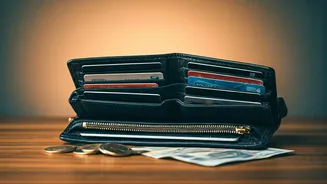
Your phone is your most powerful travel tool, especially for managing money. Forget complicated spreadsheets; modern budgeting is all about the right apps. For solo travelers, apps like TravelSpend or Trabee Pocket are built for tracking expenses on the go, even offline, and can handle multiple currencies automatically. Before you even leave, you can use a free app like Goodbudget to practice the envelope method digitally, allocating your income toward trip savings. When it comes to cards, look for options with no foreign transaction fees. Digital-first banks often offer these as standard. It's also wise to have a mix of payment methods—a primary travel card, a backup card, and some local currency for smaller purchases. Avoid exchanging large amounts of cash at the airport, where rates are notoriously poor. By setting up your financial toolkit before you go, you can track spending in real-time and avoid the dreaded post-trip sticker shock.
Smarter Spending on the Road
Once you land, the key is to be mindful, not miserly. A popular method is to give yourself a daily budget. You can withdraw this amount in cash or use a prepaid travel card to create a hard limit on your spending. This prevents accidentally overspending. One of the biggest budget-killers is accommodation. Hostels, with both dorms and private rooms, are a classic way for solo travelers to save money and meet people. But also consider house-sitting or work exchanges for free lodging. When it comes to getting around, embrace public transport. City passes often include unlimited rides and can be much cheaper than paying per journey. And never underestimate the power of walking—it’s free and the best way to discover a city’s hidden charms.
Experience More, Spend Less
Gen Z travelers prioritize experiences over traditional luxury, and your budget can reflect that. Food is a huge part of culture, but you don't need expensive restaurants for every meal. Eating at local street markets is a great way to find authentic and affordable food. Many cities have free walking tours (just be sure to tip your guide), free museum days, or beautiful parks to explore. Before your trip, a quick search for “free things to do in [city]” can yield a long list of activities. Be strategic about your splurges. If there’s a once-in-a-lifetime activity you’re dying to do, budget for it. But balance it with low-cost days to keep your overall spending on track. Your trip should be about the memories you make, not the money you spend.
The Post-Trip Audit
The makeover doesn’t end when you get home. Take some time to review your spending. Most budgeting apps will give you a breakdown by category, showing you exactly where your money went. Were you consistently over budget on food? Did you spend less on transport than expected? These insights aren't about making you feel guilty; they're valuable data for planning your next adventure. If you came in under budget, roll that extra cash into your savings for the next trip. This review process turns every journey into a lesson in financial savviness, making you a smarter and more confident traveler each time. It transforms budgeting from a chore into a skill that empowers your wanderlust.