



The Humidity and Heat Trap
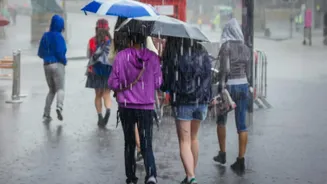
Why does it sometimes feel hotter and stickier after it rains? The answer lies in humidity. When rain soaks the ground and air, the moisture level, or humidity, skyrockets. Our bodies cool down by sweating; the sweat evaporates from our skin, taking heat
with it. But when the air is already saturated with water vapour, sweat can't evaporate effectively. This traps heat close to the body, making the 'feels-like' temperature much higher than what the thermometer shows. This phenomenon is measured by something called the wet-bulb temperature, which combines heat and humidity to reflect how stressful conditions are for the human body. When wet-bulb temperatures are high, our natural cooling system fails, putting us at risk.
A Risk Beyond Discomfort
This combination of heat and humidity isn't just about feeling uncomfortable; it poses significant health risks. The inability to cool down can lead to heat exhaustion, dehydration, and in severe cases, life-threatening heatstroke. Recent studies have highlighted that India's monsoon season is increasingly becoming a period of dangerous heat stress, sometimes rivalling the pre-monsoon summer. This is particularly dangerous for vulnerable populations like the elderly, children, and people with chronic health conditions. Furthermore, the damp, warm environment is a perfect breeding ground for fungal infections of the skin and can exacerbate respiratory issues.
Standard Monsoon Preparedness
Before tackling the heat, it's essential to have the basics of wet-weather safety covered. This includes familiar but vital precautions. Protect your family from mosquito-borne diseases like dengue and malaria by eliminating any stagnant water where they can breed — check flower pots, coolers, and any open containers. Keep an emergency kit with essentials like a torch, first-aid supplies, and non-perishable food for potential power cuts. To avoid waterborne diseases like typhoid and cholera, which are common in the monsoon, always drink boiled or filtered water and avoid street food. Ensure personal hygiene is a priority; wash hands frequently and dry yourself thoroughly after getting wet to prevent infections.
Smart Heat Planning for a Humid Season
Now, let's add heat planning to your monsoon strategy. The key is to manage the humidity inside your home. Proper ventilation is crucial; use exhaust fans in kitchens and bathrooms to expel moist air. While it's tempting to keep windows shut to keep rain out, this can trap humid air inside. Open them for cross-ventilation when it's not raining. Ceiling fans can also help circulate air, which aids the evaporative cooling process, even in high humidity. Your choice of clothing matters, too. Opt for lightweight, breathable fabrics like cotton that allow air to circulate and help sweat evaporate. Staying hydrated is non-negotiable. Drink plenty of water throughout the day, even if you don't feel thirsty, to replenish fluids lost through sweating.
A Combined Strategy for Comfort and Safety
The ultimate goal is to create a living space that is both dry and cool. If you have an air conditioner, running it is one of the most effective ways to both cool the air and reduce humidity. If your home still feels damp, a dehumidifier can be a great investment, especially for poorly ventilated areas. Aim to keep indoor humidity between 30% and 50%. Pay attention to the signs of heat stress: heavy sweating, weakness, dizziness, headache, and nausea. If you or a family member experience these, move to a cooler place, lie down, and sip water. Being aware of both the water coming from the sky and the water in the air is the key to a safe and healthy monsoon.