



The Problem with 'Cook Until Done'
Relying solely on a timer is one of the most common kitchen pitfalls. A recipe’s suggested cooking time is, at best, a well-intentioned guess. So many variables can alter that timing: your oven might run hotter or cooler than the recipe developer's, the humidity
in your kitchen can affect baking, and the size and starting temperature of your ingredients all play a significant role. A recipe writer assumes you have everything prepped and ready, but doesn't account for your specific stove, pan material, or how you define a 'medium onion'. The phrase “cook until done” puts the burden of interpretation on the cook without providing the necessary tools. This leads to guesswork, anxiety, and inconsistent results. Great cooking is less about watching the clock and more about observing your food and understanding the signals it gives you when it's ready.
Sight: What to Look For
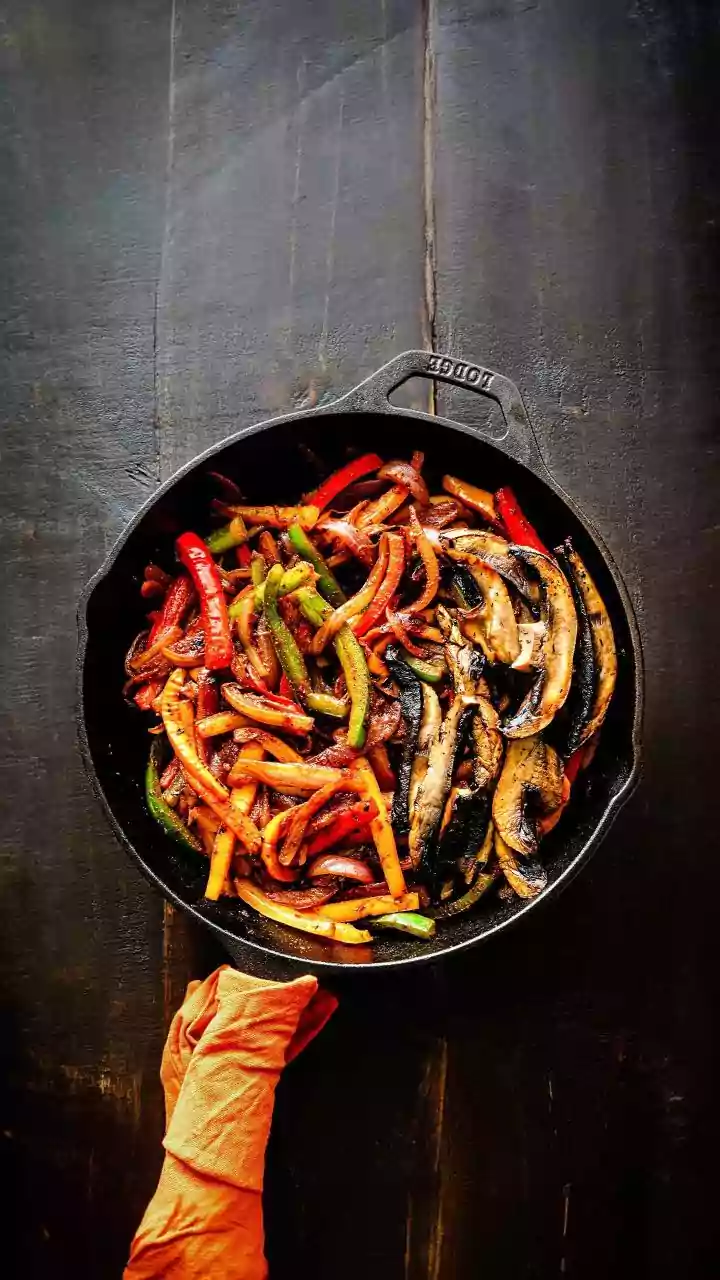
Your eyes are one of your most powerful cooking tools. Visual cues are often the first sign that food is nearing doneness. For baked goods like cakes and cupcakes, look for edges that are golden-brown and starting to pull away from the sides of the pan. Cookies are often ready when their edges are set and firm, even if the center still looks slightly soft. When roasting meats or vegetables, look for deep browning and caramelization, not just a pale tan. For pies with fruit fillings, the key visual is not just the color of the crust, but seeing the filling actively bubbling at the edges and in the center; this indicates the thickening starches have been activated. For custards, the surface should lose its raw sheen and look set around the edges, with only a slight wobble in the very middle.
Sound: What to Listen For
Your kitchen has a soundtrack, and learning to listen is key to becoming a more intuitive cook. The aggressive sizzle of ingredients hitting a hot pan is a familiar starting point. As food cooks, these sounds evolve. A pan of searing meat will sizzle loudly at first, then the sound will soften and crackle as a crust forms and moisture reduces. A pot that is about to boil over makes a different sound from one at a gentle simmer. When deep-frying, a loud, rapid bubbling indicates high moisture content in the food; as it cooks, the bubbling becomes quieter and gentler. Some bakers even swear by sound for cakes, listening for tiny popping sounds as the cake comes out of the oven, which can signal it's cooked through. And perhaps the most famous auditory cue is the hollow sound a loaf of bread makes when you tap its bottom, indicating a well-baked interior.
Smell: Trusting Your Nose
Aroma is a clear indicator of chemical changes happening in your food. Raw ingredients have one smell, but as they cook, new, more complex aromas are released. Think of onions turning from pungent to sweet, or butter developing a rich, nutty fragrance as it browns. These aromatic shifts often signal that you are approaching the next step in a recipe. When roasting nuts or baking cookies, the moment your kitchen fills with a warm, toasted scent is often the moment to check for doneness. If you can smell your dish from the other room, it's a strong sign that it's nearly, if not already, done. This sensory cue often arrives just before something is about to burn, serving as a critical last-minute warning.
Touch and Texture: The Feel of Finished
Texture, whether tested with a utensil or your fingertip, offers definitive proof of doneness. For cakes, the classic test is to press gently on the center; if it springs back completely without leaving an indentation, the structure is set. For meats like steak, firmness is a reliable guide: rare steak is soft and yielding, while well-done is very firm. Many cooks use the 'finger test,' comparing the firmness of the meat to the fleshy part of their own palm. When cooking vegetables, a fork or knife tip should pierce them with minimal resistance. With pasta, the only true test is to taste it for that perfect 'al dente' resistance. The feel of food—from the crispiness of fried chicken to the tenderness of a slow-cooked brisket—is the final word on whether it's truly ready to eat.