





Prep Work: The Foundation of Hydration
Flawless makeup application begins long before you pick up a brush. The key is creating a well-hydrated canvas. Start with a gentle, non-stripping cleanser to remove any impurities without robbing your skin of its natural oils. Following this, apply a hydrating
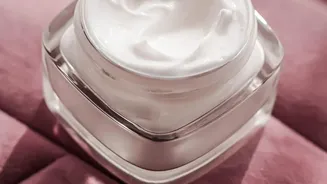
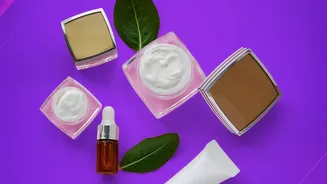
toner. Modern toners are not the harsh, alcohol-based formulas of the past; today, they are designed to balance the skin's pH and provide an initial layer of moisture. Look for ingredients like aloe vera, niacinamide, or sodium hyaluronate. The next step is layering. Apply a hydrating serum containing humectants like hyaluronic acid or glycerin, which act like magnets to draw moisture into the skin. Follow this with a moisturizer suited to your skin type. This not only nourishes the skin but also creates a smooth surface, preventing makeup from clinging to dry patches and looking cakey.
Prime and Choose Products Wisely
A primer is a non-negotiable step when wearing heavy makeup. It creates a protective barrier between your skin and the foundation, helping to lock in moisture and prevent products from clogging your pores. Opt for a hydrating primer, especially one with ingredients like squalane or glycerin, to give your skin an extra plumping boost. When selecting your foundation and concealer, consider formulas that are described as hydrating or dewy. Many modern foundations are infused with skincare ingredients like hyaluronic acid. Cream-based blushes and highlighters are generally a better choice for maintaining a hydrated look than their powder counterparts, as powders can absorb moisture from the skin and accentuate dryness.
Mid-Day Maintenance: Refresh and Revive
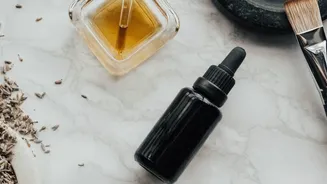
Even with the best preparation, skin can lose moisture throughout the day, especially under layers of makeup. A hydrating facial mist is your best ally for a quick refresh. A light spritz can revitalize your skin and makeup without causing it to smudge or slide. Look for mists with soothing ingredients like rose water or aloe vera. You can also use a very small amount of a lightweight facial oil, patting it gently onto the high points of your face, like your cheekbones, to restore a dewy finish and combat any developing dry spots. This technique adds a touch of glow and much-needed moisture.
The Aftermath: The All-Important Removal
How you remove your makeup is just as crucial as how you apply it. Harsh scrubbing can irritate and dry out your skin. The 'double cleanse' method is highly effective for heavy makeup. Start with an oil-based cleanser or a cleansing balm. These products are designed to dissolve stubborn, long-wear makeup, oils, and sunscreen without stripping the skin's natural moisture barrier. Massage it onto dry skin and then emulsify with water. Follow up with a gentle, water-based or cream cleanser to wash away any remaining residue, ensuring your pores are completely clean. This two-step process ensures a thorough cleanse that is still gentle and hydrating.
Recovery Mode: Replenish and Repair
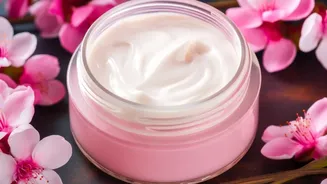
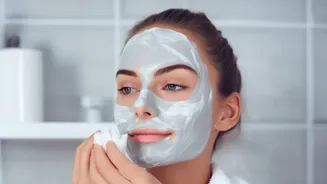
After a deep cleanse, your skin is ready to soak up some much-needed nourishment. This is the perfect time to use a hydrating face mask, like a sheet mask or an overnight sleeping mask, to deliver a concentrated dose of moisture. Look for masks with ingredients like ceramides, which help repair the skin's barrier, or niacinamide, which can soothe and hydrate. Follow this with your regular nighttime skincare routine, ensuring you apply a rich, nourishing night cream. This helps replenish any moisture lost during the day and supports the skin's natural repair process while you sleep. Giving your skin a day off from makeup afterward can also help it rebalance.