


Rajasthan’s Open-Air Art Gallery
Nestled in the triangle between Delhi, Jaipur, and Bikaner lies the Shekhawati region, a corner of Rajasthan that offers a different kind of magic. For centuries, this semi-arid landscape was a bustling trade corridor where wealthy Marwari merchants built
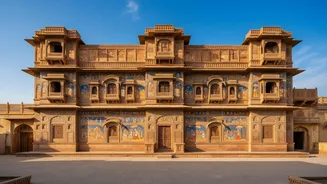
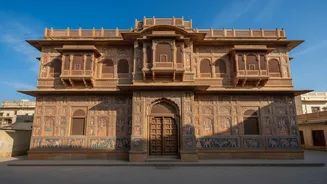
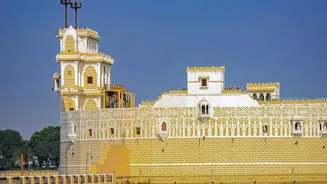
grand mansions, or havelis. To display their prosperity, they commissioned elaborate frescoes, turning entire towns like Mandawa, Nawalgarh, and Fatehpur into what is now famously called 'India's open-air art gallery'. The walls of these havelis are covered in stunning murals depicting everything from Hindu mythology and royal portraits to the arrival of the first steam trains and motorcars, capturing a unique blend of tradition and modernity.
From Merchant Mansions to Heritage Homes
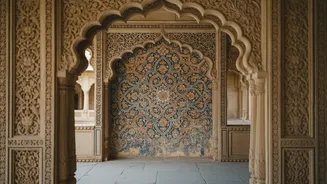
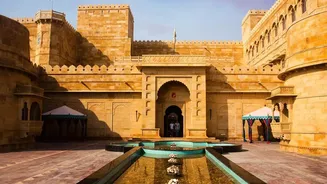
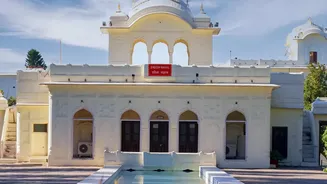
A haveli is a traditional Indian mansion, typically built around one or more courtyards that provided a private, cool oasis for its residents. The havelis of Shekhawati are distinguished by their ornate gateways, intricately carved wooden doors, and jharokha windows. While many of these architectural marvels fell into disrepair over the years, a growing movement has seen families and conservationists lovingly restore them. This restoration goes beyond simple repairs; it involves carefully modernizing plumbing and electricity while preserving the historic structure and artistic details. Many have been converted into heritage homestays and hotels, offering travelers a chance to live within these historic walls.
The Authentic Homestay Experience
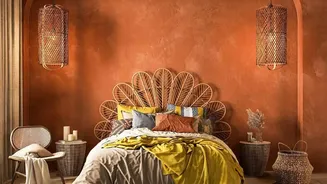
Staying in a restored haveli is a far more intimate experience than checking into a conventional hotel. Instead of a generic room, you get a space humming with history, often run by the descendants of the original owners. The experience is defined by warm, personal hospitality. Meals are often traditional, home-cooked Rajasthani dishes, and the atmosphere is one of stepping back in time. You can wake up in a room with frescoed ceilings, sip tea in a tranquil central courtyard, and spend evenings listening to local folk music. It’s an immersive cultural stay that connects you directly to the region’s heritage and the families keeping it alive.
The Quiet Charm of the Off-Peak Season
While Rajasthan's peak tourist season runs from October to March, savvy travelers are discovering the unique advantages of visiting Shekhawati during the 'off-peak' shoulder months or even the monsoon. The scorching summer months of April to June are best avoided due to extreme heat. However, the monsoon season (July to September) brings a different kind of beauty. Shekhawati receives little rainfall, but the showers transform the arid landscape into a surprisingly green canvas and wash the dust from the vibrant frescoes. Visiting during this low season means fewer crowds, allowing for more leisurely exploration and more meaningful interactions with locals. You will have the fresco-lined lanes mostly to yourself, and accommodation is often available at a significant discount.
Beyond the Haveli Walls
Your cultural exploration doesn't end at your homestay's doorstep. Shekhawati is a region made for wandering. You can spend days exploring the various towns, each with its own character and collection of painted mansions. In Nawalgarh, you can visit the Podar Haveli Museum to see meticulously preserved interiors. Mandawa, a popular base for visitors, feels like a traditional Rajasthani village where every lane reveals another artistic treasure. Fatehpur is known as the region's cultural capital, boasting havelis that blend Indian and Western artistic styles. Beyond fresco-hunting, you can explore bustling local bazaars, visit ancient stepwells, and even see the famous Marwari horses in the town of Dundlod.