






The September Surge: What the Numbers Show
Indian households are feeling a renewed pinch in their monthly budgets as the cost of preparing meals at home has climbed. Projections for September 2026 indicate a significant uptick in retail inflation, primarily fuelled by rising food prices. According
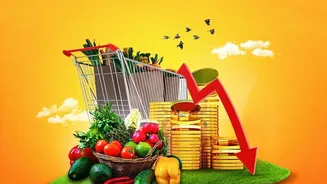
to a report from Union Bank of India, overall retail inflation for September was expected to climb to 5.47%, a sharp increase from 4.82% in August. This moves the figure closer to the upper tolerance limit of the Reserve Bank of India's (RBI) 2-6% target range. The main driver is food inflation, which was estimated to accelerate to 7.35% in September from 5.66% the previous month. This is reflected in the rising cost of a standard home-cooked vegetarian meal, or 'thali', which hit a 17-month high of ₹30.8 in September, marking a 10% year-on-year increase, according to CRISIL's Roti Rice Rate report.
Onions, Rice, and Oils: The Key Culprits
Anyone who has been to the market recently can point to the chief offender: onions. A staple in almost every Indian kitchen, onion prices surged by a staggering 89% to 93% in September compared to the same month last year. This pushed the average retail price to its highest point since November 2024. But the pressure doesn't stop there. Other essential items have also become dearer. Rice prices climbed by about 8% year-on-year, and sugar saw a significant 28% jump. Edible oils, a major import for India, also contributed to the rise, with all five major varieties costing more than they did a year ago. Reports indicate that price pressures are broad-based, with cereals and pulses also showing an upward trend in September.
Behind the Price Rise: A Mix of Factors
A combination of factors is responsible for this inflationary trend. A significant reason is the erratic 2026 monsoon, which ended with a rainfall deficit of around 13%. This has impacted the sowing and output of key crops. The area under rice cultivation, a water-intensive crop, saw a drop this season due to the 'below normal monsoon' forecast linked to El Niño conditions. For onions, lower prices in previous years discouraged some farmers from cultivating the crop, leading to reduced supply. Delayed harvests due to weather conditions have also played a role. Beyond agriculture, global factors are at play. Rising international crude oil prices have a cascading effect, increasing transportation and energy costs for producers. A weaker rupee also makes imports, including edible oils, more expensive.
The Kitchen Budget Squeeze
These numbers translate to real-world stress for household finances. With food and beverages accounting for about 40% of the consumer price index basket, any sharp increase is felt immediately, particularly by lower and middle-income families. The rising cost of daily staples means households must either spend more on groceries, forcing cuts in other discretionary spending, or compromise on the quantity and quality of food consumed. The CRISIL report highlighted that while official inflation averages hundreds of goods, its 'thali' index tracks the direct cost of preparing a meal, revealing a sharper trend felt in daily life. This squeeze on purchasing power comes during the lead-up to the festive season, a time when household spending typically increases.
What Lies Ahead: An Anxious Outlook
In response to these persistent inflationary pressures, the Reserve Bank of India has already taken action. In its October 2026 meeting, the RBI's Monetary Policy Committee (MPC) raised the key repo rate by 25 basis points to 5.50%, the first such hike in nearly four years. The central bank also revised its inflation forecast for the fiscal year 2026-27 upwards to 5.2%. The RBI has projected that inflation could reach 6.0% in the December quarter, the upper limit of its tolerance band. Economists believe this signals that further rate hikes could be on the cards if price pressures are not contained. With a poor monsoon impacting crop outlooks and global uncertainties persisting, Indian households may need to brace for continued pressure on their grocery budgets in the coming months.