


The Science of the Danger Zone
The core principle of food safety revolves around temperature. Bacteria that cause foodborne illnesses thrive in what's known as the "Danger Zone," a temperature range between 40°F (5°C) and 140°F (60°C). Leaving perishable food in this zone allows bacteria
to multiply rapidly, sometimes doubling in as little as 20 minutes. Every time you cool and reheat food, it passes through this danger zone. The more times you repeat the cycle, the more opportunity you give bacteria to grow. This is why it's crucial to minimize the time your food spends in this temperature range.
Why You Should Only Reheat What You Need
Food safety experts generally recommend reheating leftovers only once. Each cycle of cooling and reheating not only increases the risk of harmful bacterial growth but also degrades the quality of your food. Repeatedly heating and cooling can ruin the texture, making dishes dry or mushy, and diminish the flavor you worked so hard to create. By scooping out just the portion you plan to eat and reheating it, you ensure the rest of your leftovers remain safe and pass through the Danger Zone only once when they are eventually reheated. This simple step preserves both the safety and integrity of your meal.
The Correct Way to Reheat
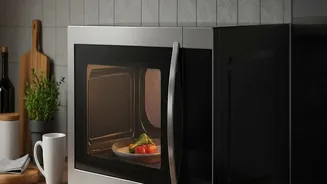
To kill any bacteria that may have developed, leftovers must be reheated thoroughly to an internal temperature of 165°F (75°C). Use a food thermometer to be certain. Whether using a microwave, oven, or stovetop, ensure the food is steaming hot all the way through. If you're using a microwave, cover the food and stir it partway through to eliminate cold spots where bacteria can survive. Sauces, soups, and gravies should be brought to a rolling boil. Methods like slow cookers are not recommended for reheating because they heat food too slowly, potentially keeping it in the Danger Zone for too long.
The Problem with Storing Warm Food
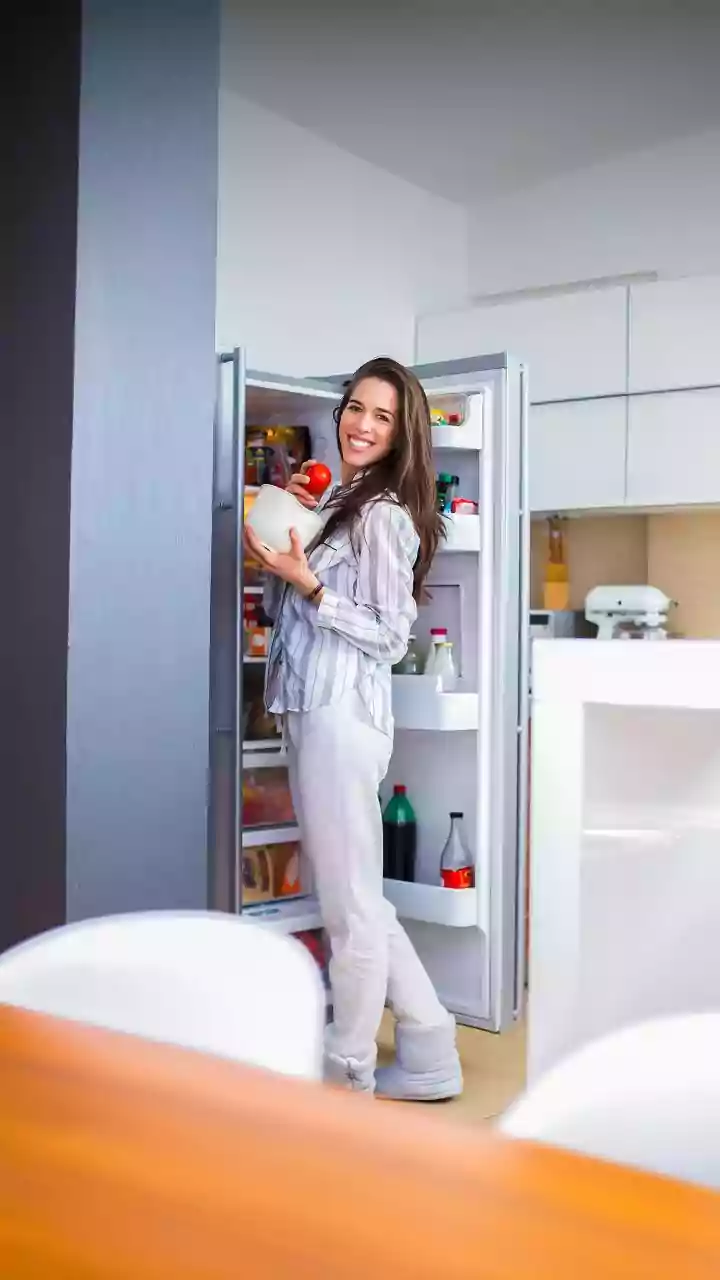
It may seem logical to get warm leftovers into the fridge as quickly as possible, but you should never place a large, hot container directly into the cold. A large mass of hot food can raise the overall temperature inside your refrigerator, putting other foods at risk by bringing them into the Danger Zone. This also makes your refrigerator's compressor work overtime to bring the temperature back down, wasting energy. Furthermore, hot food stored in a sealed container can create condensation, which can alter the food's texture and potentially encourage bacterial growth.
How to Cool Food Safely and Quickly
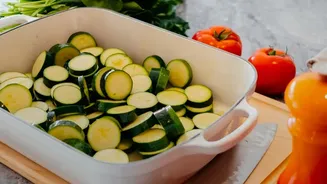
The goal is to get cooked food out of the Danger Zone and into the refrigerator—at or below 40°F (4°C)—within two hours of cooking. To do this efficiently, you must cool the food rapidly. Instead of leaving a large pot on the counter, divide hot food like soups, stews, or roasts into several small, shallow containers. This increases the surface area and allows the food to cool down much faster. You can speed up the process even more by placing the shallow containers in an ice water bath and stirring occasionally before moving them to the fridge.