






Choose Fabrics That Dry Fast
The single most important decision for monsoon travel is your choice of fabric. Heavy materials like denim and thick cotton are a traveller's worst enemy in the rain; they soak up water, become heavy, and can take hours, if not days, to dry in humid conditions.
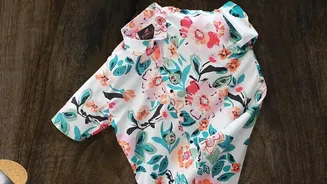
Instead, focus on lightweight, synthetic, and quick-drying materials. Polyester, nylon, rayon, and lyocell are excellent choices because they don't hold moisture and dry quickly. For a four-day trip, pack two or three tops made of these fabrics. Darker colours are also a practical choice as they are more forgiving with mud splashes and water marks. While linen is a great natural option that dries faster than cotton, it wrinkles easily, so blended fabrics might be more convenient for a short trip.
Select the Right Footwear
Your choice of footwear can make or break a monsoon trip. Leather shoes are a definite no, as they are easily ruined by water. Similarly, avoid canvas sneakers that absorb water and become squishy and uncomfortable. The best options are waterproof or water-resistant with a good grip to handle slippery surfaces. Rubber floaters, waterproof sandals, and clogs are ideal as they don't absorb water, are easy to clean, and provide ventilation for your feet. For more active trips involving walking or light trekking, consider a pair of waterproof hiking shoes or sneakers with anti-slip rubber soles. Since it's a four-day trip, packing a primary pair and a lightweight backup pair of flip-flops for your hotel room is a smart strategy to ensure you always have something dry to wear.
Invest in a Waterproofing Arsenal
Keeping your belongings dry requires a multi-layered approach. Start with a waterproof backpack or, at the very least, a reliable rain cover for your existing bag. A lightweight, foldable raincoat or poncho is a non-negotiable item that can protect both you and a small daypack. For internal organisation, waterproof pouches and zip-lock bags are your best friends. Use them to compartmentalise everything. Pack one sealed bag with a complete spare set of dry clothes. Use smaller zip-lock bags for toiletries to prevent leaks, and most importantly, to shield your electronics, documents, and cash from moisture. This simple system ensures that even if your main bag gets damp, your essentials remain protected.
Protect Your Gadgets and Documents
Water damage is a real risk for electronics during the monsoon. The best line of defence is a dedicated waterproof case for your smartphone. These allow you to use your phone in light rain without worry. For other gadgets like cameras, power banks, and chargers, storing them in individual zip-lock bags inside your main backpack is an effective and cheap solution. It’s wise to keep your power bank charged, as power cuts can be more frequent during heavy rains. Your important documents like ID cards, tickets, and hotel bookings should also be stored in a sealed waterproof pouch. For added security, consider having digital copies saved on your phone and a cloud service.
Pack a Monsoon-Specific Health Kit
A standard first-aid kit is always important, but the monsoon season brings its own set of health considerations. The damp weather is a breeding ground for mosquitoes and other insects, making a good insect repellent an absolute must-have. Also include basics like antiseptic wipes, bandages for small cuts or shoe bites, and anti-itch cream. Because of the higher risk of water-borne ailments, it's also a good idea to carry medication for stomach upsets and a few rehydration sachets (ORS), just in case. A quick-dry microfibre towel is another useful item; it's more compact than a regular towel and dries much faster.