



The Search for Darkness
For urban dwellers, a truly dark sky is a forgotten spectacle. The pervasive glow of artificial lighting, known as light pollution, has washed out the cosmos for millions, reducing the star-studded expanse to a handful of faint dots. This has driven a growing
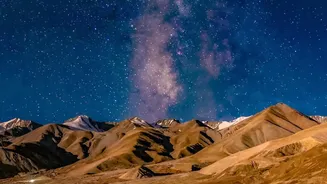
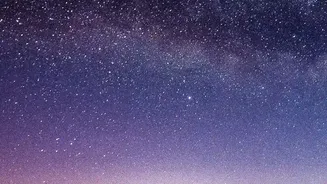
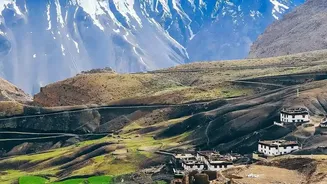
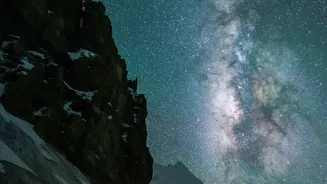
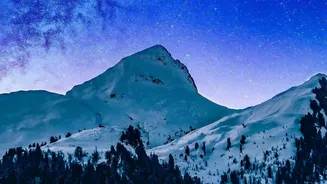
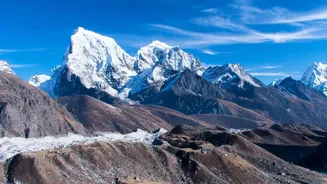
community of celestial photographers and amateur astronomers to seek out the planet's last remaining pockets of pristine darkness. They are finding them in the cold, dry, and remote landscapes of Himachal Pradesh, particularly within the Spiti Valley. Here, at altitudes often exceeding 12,000 feet, the thin, clean air and near-zero light pollution create a window to the universe of unparalleled clarity. The result is a high-definition celestial experience where the Milky Way is not just visible but appears bright enough to cast a faint shadow.
Spiti’s Celestial Hotspots
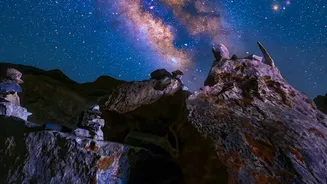
Several villages in Spiti have emerged as hallowed grounds for astrophotography. Kibber, at an elevation of around 14,000 feet, offers expansive, unobstructed views, its remote charm matched by its incredibly dark skies. Nearby, the villages of Komic, Langza, and Hikkim form a popular circuit for celestial enthusiasts. Komic, one of the highest motorable villages in the world, provides a 360-degree panorama of the heavens where stars burn with a steady, sharp intensity. Langza, famed for its ancient Buddha statue and rich fossil beds, offers a unique foreground for photographers aiming to capture the Milky Way arching across the sky. Even the area around Chandratal Lake, known as the 'Moon Lake,' becomes a magical amphitheater at night, its still waters reflecting the cosmos above.
More Than a Photograph
The journey to these villages is an adventure in itself, but the experience goes far beyond capturing a stunning image. It is about immersing oneself in profound silence, enduring the biting cold of the mountain night, and feeling a direct connection to the universe. This emerging trend, often called 'astro-tourism,' is about the entire experience—from the challenging drive to the warmth of a local homestay. Photographers and stargazers often spend hours under the sky, not just clicking shutters, but simply observing constellations, tracking satellites, and witnessing meteor showers in a setting that feels completely removed from the modern world. The combination of raw natural beauty and cultural richness makes the pursuit deeply rewarding.
A Community-Powered Cosmos
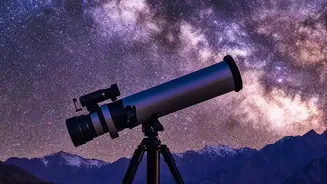
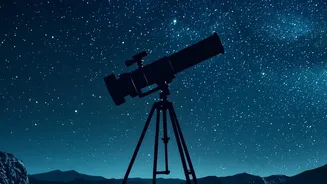
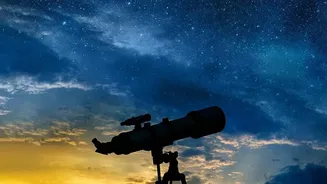
The growing fame of these stargazing hubs is also empowering local communities. Homestay owners in villages like Kibber and Langza are adapting to this new wave of tourism, offering authentic hospitality and catering to the specific needs of photographers. Recognizing the potential, government and local bodies are also stepping in. Initiatives to train local youth as astro-guides are taking root, turning their ancestral knowledge of the land and skies into a sustainable livelihood. In Kaza, a community-run stargazing facility was recently inaugurated, complete with telescopes and trained local operators, marking a significant step in formalizing Spiti's status as a premier astro-tourism destination. This approach ensures that the economic benefits of tourism are shared directly with the people who call this remote region home.