




The New Definition of a Getaway
For decades, the ultimate vacation was a splashy affair: a five-star hotel in a global metropolis, a shopping spree on a famous avenue, or a sun-lounger at a sprawling resort. But for a significant number of people under 25, that vision is losing its
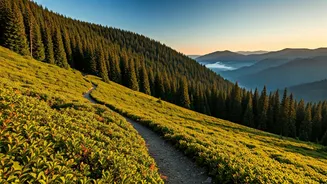
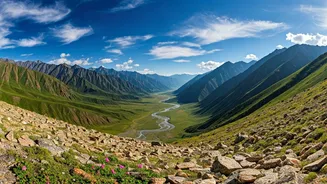
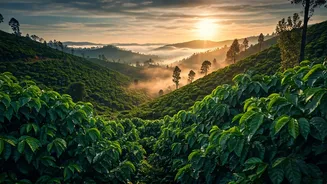
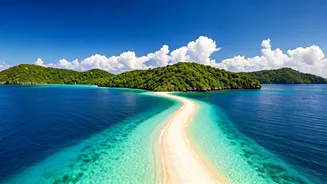
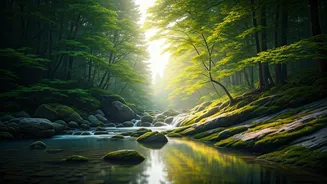
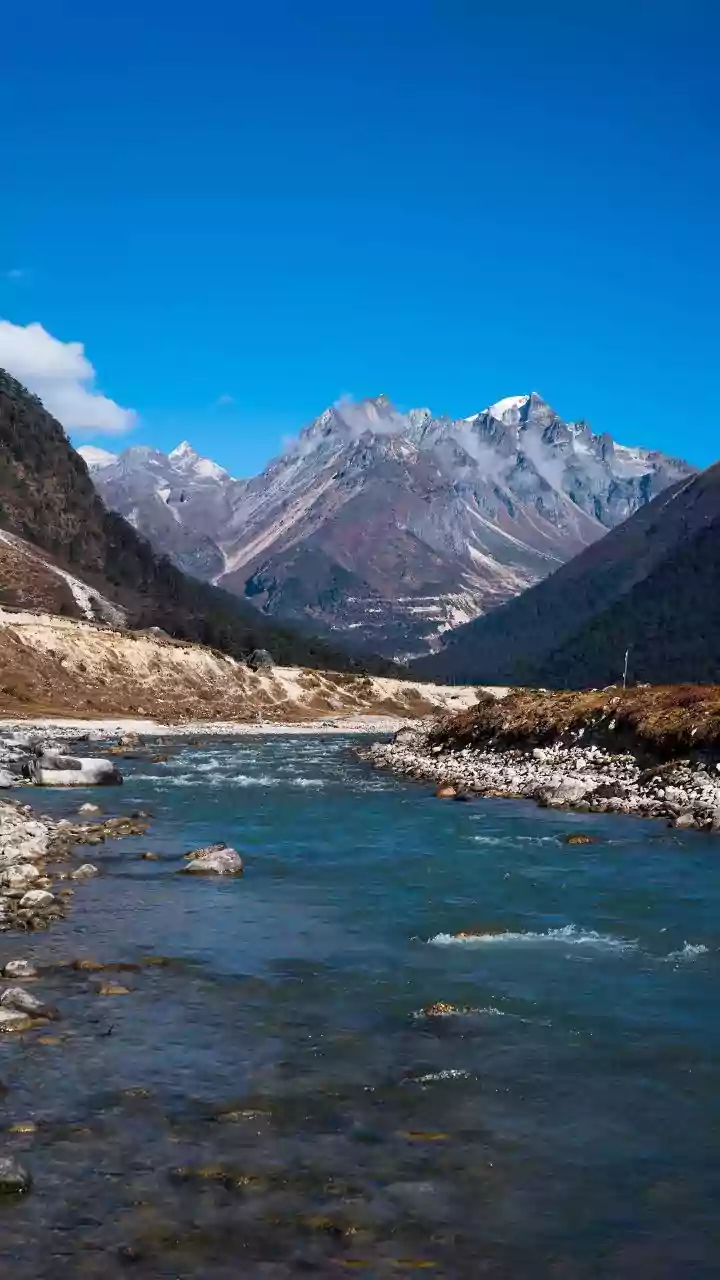
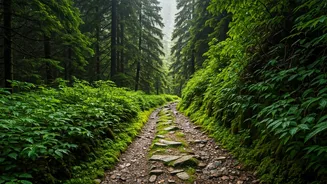
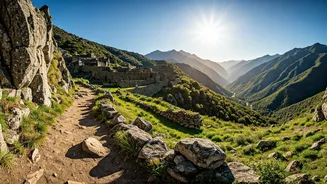
lustre. Travel industry reports and social media trends alike point to a powerful shift. Generation Z, the cohort born between the mid-1990s and early 2010s, is increasingly seeking solace, adventure, and connection in the great outdoors. From trekking in the Himalayas to camping in the Western Ghats or simply finding a quiet lakeside cabin, nature has become the new five-star destination.
A Remedy for Digital Burnout
Perhaps the biggest driver of this trend is the very world Gen Z grew up in: a hyper-connected, always-on digital landscape. As the first generation of true digital natives, they are acutely aware of the mental toll of constant screen time, algorithmic pressures, and the curated perfection of social media. Nature offers a powerful antidote. A trip into the wilderness is one of the few experiences that demands, and rewards, full presence. The simple act of putting a phone away (or losing signal altogether) and focusing on the path ahead or the sound of birds has become a radical act of self-care. For many, a 'digital detox' is no longer a gimmick but a primary goal of their time off, making forests, mountains, and beaches the ultimate charging stations for the mind.
Values-Driven Itineraries
Gen Z is widely recognised as a values-driven generation, and their travel habits reflect this. They are more likely than previous generations to consider the environmental and social impact of their choices. This translates into a preference for low-impact activities like hiking and kayaking over carbon-intensive flights and resource-heavy resorts. The concept of 'regenerative travel'—leaving a place better than you found it—is gaining traction. This means choosing eco-lodges, supporting local communities and conservation efforts, and minimising their footprint. A vacation is no longer just about personal pleasure; it’s an opportunity to align their actions with their beliefs, and a pristine natural landscape is the perfect canvas for that.
The Economics of Adventure
Let’s not ignore the practical side. Gen Z is navigating a world of economic uncertainty, student debt, and rising living costs. A week-long trip to Paris or New York can be prohibitively expensive. In contrast, nature-based vacations often offer a more accessible and budget-friendly alternative. A tent, a good pair of hiking boots, and a national park pass can provide a weekend of memories for a fraction of the cost of a single night in a trendy city hotel. This economic reality has democratised adventure, making it less about spending money and more about gaining experience. It’s a shift from conspicuous consumption to conspicuous experience-gathering, where the value is in the story you can tell, not the price tag of your hotel.
Authenticity as the Ultimate Brag
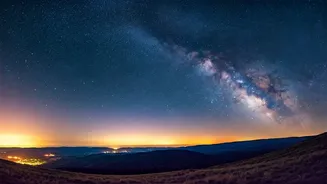
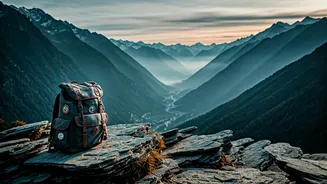
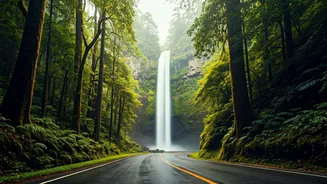
Ironically, the same social media that fuels digital burnout also helps drive the nature trend. But the currency has changed. While millennials might have popularised the avocado toast brunch shot, Gen Z is perfecting the art of the epic, misty mountain sunrise photo or the candid shot of laughing around a campfire. This isn't about showing off wealth, but about showcasing a life rich in authentic experiences. The aesthetic is less 'polished luxury' and more 'beautifully rugged'. This creates a powerful feedback loop: they seek out nature to disconnect, but the stunning, shareable visuals they capture inspire their peers to do the same, reinforcing the outdoors as the ultimate backdrop for a life well-lived.