








A Clear Nutritional Winner
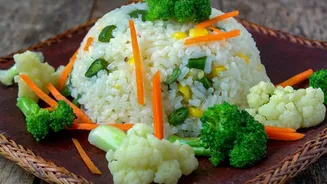
When placed side-by-side, the nutritional differences between cauliflower rice and traditional fried rice are stark. A cup of cauliflower rice contains roughly 25-30 calories and about 5 grams of carbohydrates. In contrast, a cup of white rice alone has
over 200 calories and 45 grams of carbs, numbers that increase significantly when it's fried with oils and sauces. This makes cauliflower rice an excellent choice for anyone managing their calorie or carbohydrate intake. Beyond being lighter, cauliflower is a powerhouse of nutrients. It is packed with vitamins C and K, folate, and fibre. The high fibre content not only aids digestion but also helps you feel full for longer, which can support weight management goals.
More Than Just Low-Carb
The benefits of swapping to cauliflower rice extend beyond simple calorie counting. As a cruciferous vegetable, cauliflower is rich in antioxidants like glucosinolates and sulforaphane, compounds which studies suggest have anti-inflammatory properties and may help protect cells from damage. It is also a good source of choline, a nutrient important for brain health and development that is not found in regular rice. Its low glycaemic index is another significant advantage, as it helps prevent the sharp spikes in blood sugar that can be caused by refined carbohydrates like white rice, making it a suitable option for those managing blood sugar levels.
How to Prepare It Perfectly
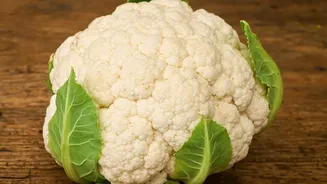
Making cauliflower rice at home is simple. The easiest method involves a food processor. Start by cutting a head of cauliflower into large florets. Working in batches, pulse the florets in the food processor until they are broken down into pieces roughly the size of rice grains. Be careful not to over-process, or you will end up with a mushy texture. If you don't have a food processor, a simple box grater will also do the job. The single most important step for achieving a fluffy texture is to remove excess moisture. Before cooking, transfer the riced cauliflower to a clean kitchen towel and press or wring it out to remove as much water as possible. This step is crucial for preventing a soggy final product.
Cooking Tips for the Best Texture
To avoid the common pitfall of watery, mushy cauliflower rice, how you cook it matters as much as how you prep it. Do not simmer it in water like traditional rice. The best method is to sauté it in a large skillet or wok over medium-high to high heat. Using high heat helps the moisture evaporate quickly, and a large pan prevents overcrowding, which traps steam and leads to sogginess. Add a bit of oil or ghee to the hot pan, followed by the dry cauliflower rice. Stir occasionally and cook for just 5 to 7 minutes until it is crisp-tender. It cooks much faster than grain rice, and overcooking will turn it soft.
Making It Delicious
On its own, cauliflower has a mild, slightly nutty flavour that makes it a blank canvas for seasonings. Since it doesn't absorb sauces the way grain rice does, be careful not to add too much liquid, which can make the dish watery. Instead, build flavour by first sautéing aromatics like garlic, ginger, and onions in oil. For an Indian twist, you can create a tadka with mustard seeds, cumin seeds, and turmeric before adding the cauliflower. Fresh herbs like coriander, mint, or parsley, along with a squeeze of lemon or lime juice stirred in at the end, can brighten the flavour immensely. It pairs beautifully as a base for curries, stir-fries, and dal.