



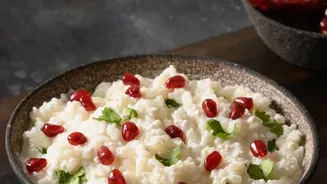

The Unsung Hero of the Indian Meal
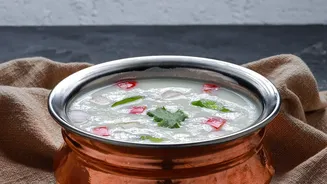
Raita is a yogurt-based condiment or side dish that is a non-negotiable part of many Indian meals. At its core, it consists of whisked yogurt mixed with a variety of raw or cooked vegetables, fruits, or even pulses like crispy boondi. Served chilled,
its primary role is to act as a cooling counterpoint to spicy and richly flavoured main courses like biryanis, pulaos, and fiery curries. Think of it not just as a dip, but as an essential balancer that soothes the palate, adds a layer of creamy texture, and completes the dining experience. While a simple cucumber raita is the most common version, the variations are nearly endless, making it one of the most adaptable dishes in the Indian culinary canon.
The Science of 'Cooling'
The perception of raita as a 'cooling' food is rooted in both science and tradition. From a scientific standpoint, the casein protein in dairy products like curd effectively binds to capsaicin—the compound that gives chillies their heat—and washes it away from your tongue's pain receptors, providing genuine relief from spiciness. Furthermore, curd is rich in probiotics, which are beneficial bacteria that aid digestion and support gut health. According to Ayurvedic principles, curd is believed to help pacify 'Pitta' dosha, the body's heat element, especially during warm weather. Though some Ayurvedic texts also note that curd has a 'heating' post-digestive effect, it is widely consumed during the day in summer for its refreshing qualities, often with cooling additions like mint and cucumber to enhance the effect.
Anatomy of the Perfect Raita
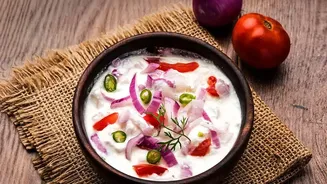
Crafting a great raita is simple, but a few key details make all the difference. It starts with the base: fresh, thick curd, whisked until smooth and creamy. If your curd is too thin, the raita can become watery, especially after adding vegetables. Next come the additions, which provide texture and flavour. Grated cucumber, finely chopped onions and tomatoes, or crispy boondi (tiny fried chickpea flour balls) are classic choices. Finally, the seasoning ties it all together. Roasted cumin powder is almost essential, lending a smoky, earthy aroma. Black salt (kala namak), fresh herbs like mint and coriander, and sometimes a pinch of red chilli powder or finely chopped green chillies complete the profile. One crucial tip: add salt just before serving to prevent the vegetables from releasing water and thinning the raita.
A Universe of Variations
Beyond the familiar cucumber or mixed vegetable versions, raita's versatility is its greatest strength. Boondi Raita offers a delightful textural contrast with soft, soaked chickpea pearls. Fruit raitas, such as those made with pineapple or pomegranate seeds, provide a sweet and tangy twist that pairs surprisingly well with savoury meals. Beetroot raita, with its stunning pink hue and earthy sweetness, is another popular variant. In different regions, you'll find unique recipes like Pahadi Raita from the mountains, which uses mustard seeds for a pungent kick, or Lauki (bottle gourd) Raita for a subtle, healthy option. These variations prove that there truly is a raita for every palate and every meal.
Crafting a Basic Cucumber Raita
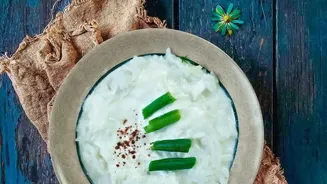
To make your own cooling cucumber raita, start by whisking one cup of plain, full-fat yogurt in a bowl until it is smooth and free of lumps. Into this, fold in half a cup of finely diced or grated cucumber. For the best texture, use English cucumbers and consider leaving the thin skin on. Add flavour with half a teaspoon of roasted cumin powder, a pinch of salt, and a quarter cup of finely minced fresh mint or coriander leaves. You can also add other spices like garam masala or a little black pepper to your taste. For the best results, chill the raita in the refrigerator for at least 15-30 minutes before serving. This allows the flavours to meld and enhances its cooling effect. Serve it alongside spicy curries, biryani, or as a dip with naan and kebabs.