




The Ocean's Hidden Nervous System
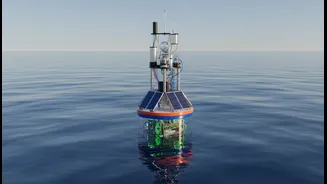
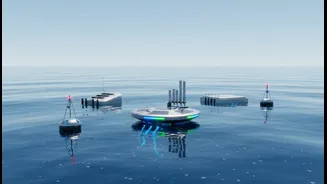
When we think about monitoring the planet, we often picture weather satellites in space. But a huge part of the story happens beneath the waves. The Global Ocean Observing System (GOOS) is a worldwide network of instruments that act as our planet’s submerged
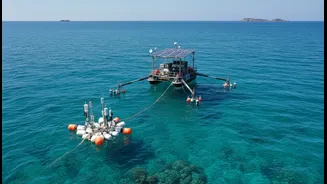
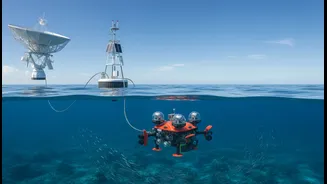
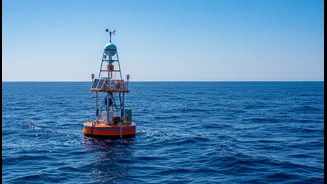
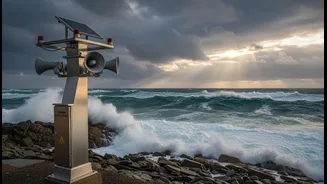
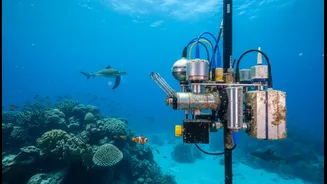
nervous system. Coordinated by UNESCO's Intergovernmental Oceanographic Commission, this system includes thousands of autonomous profiling floats (like the Argo programme), moored buoys, research vessels, and increasingly, AI-driven tools. These instruments constantly measure vital signs like temperature, salinity, currents, and sea level. For India, the Hyderabad-based Indian National Centre for Ocean Information Services (INCOIS) is a key player, deploying and maintaining its own suite of observation tools across the vast Indian Ocean.
An Urgent Call Amid Growing Gaps
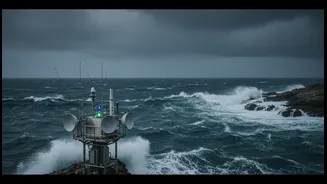
The call for stronger networks, reiterated during the ongoing UN Decade of Ocean Science, isn't new, but it has gained urgency. Scientists are concerned about significant gaps in funding and coverage, particularly in the deep sea and the remote Southern Ocean. A recent study highlighted the system's fragility, showing that losing even a fraction of these observations could severely degrade the accuracy of critical forecasts. Compounding this, recent plans in the US to scale back parts of its vital observation network have alarmed the global scientific community, though some of these cuts have faced reversal after outcry. These networks are expensive to maintain, and when funding falters, our 'eyes and ears' in the ocean go dark, leaving us flying blind to emerging threats.
Why It's Critical for India's Monsoon and Coasts
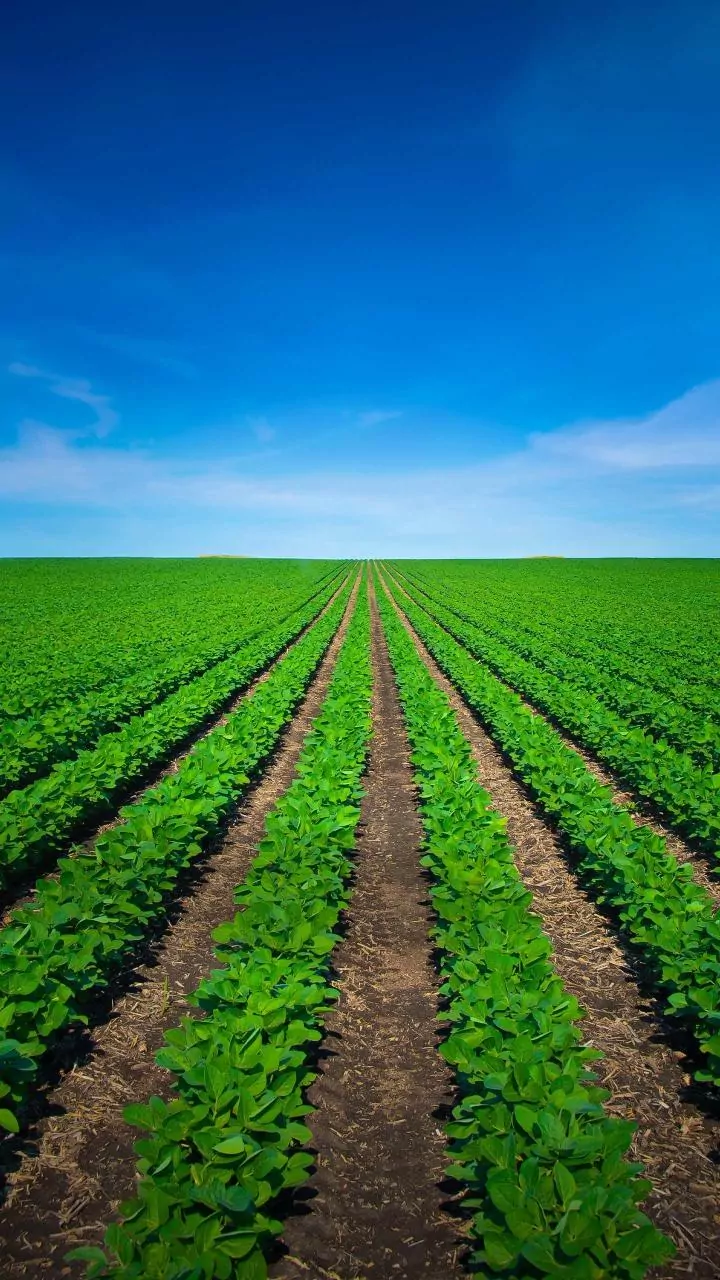
For India, this isn't an abstract scientific problem; it's a matter of national security and economic stability. The Indian Ocean is warming faster than other global oceans, and its unique dynamics, driven by monsoonal winds, directly affect hundreds of millions of people. The data collected by networks like the Indian Ocean Observing System (IndOOS) is fed into models that predict the monsoon's timing and intensity—information crucial for our farmers and for managing water resources. This same data provides the life-saving early warnings for cyclones that form in the Bay of Bengal and the Arabian Sea, allowing for timely evacuations and disaster response. INCOIS uses this information to issue daily advisories on everything from wave heights for the shipping industry to potential fishing zones for the millions who depend on the sea for their livelihood.
A Rising Tide of Long-Term Risks
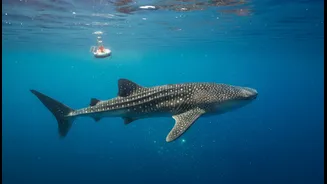
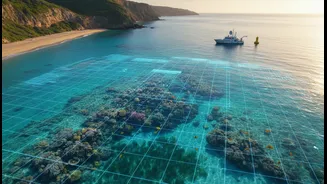
Beyond short-term forecasts, these networks are essential for tracking the long-term impacts of climate change. With a 7,500-kilometre coastline and many low-lying cities, India is highly vulnerable to sea-level rise. Continuous, long-term data is the only way to accurately project how much our seas will rise and help plan defences for cities like Mumbai, Kolkata, and Chennai. The data also tracks ocean acidification and marine heatwaves, which threaten coral reefs and the health of our entire marine ecosystem. Without this information, our ability to manage fisheries sustainably and protect marine biodiversity is severely compromised. India's own Deep Ocean Mission, which aims to explore and monitor deep-sea resources, relies heavily on this observational capacity to succeed.
The Path Forward: A Global and National Effort
Strengthening these networks requires a two-pronged approach. Internationally, scientists and bodies like the European Union are calling for greater collaboration and sustained funding through new initiatives like the 'OceanEye' programme. The goal is to build resilience into the global system so that it doesn't depend too heavily on any single nation. Nationally, it means continuing to invest in and expand the capabilities of institutions like INCOIS. The science is clear: enhancing our ocean observation networks isn't a cost but an investment. It's an investment in more reliable weather forecasts, safer coastal communities, a more productive blue economy, and a more resilient nation in the face of a changing climate.