









The Vicious Cycle of Stagnant Water
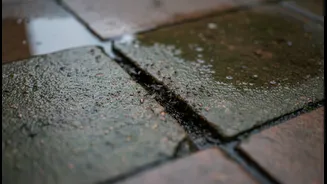
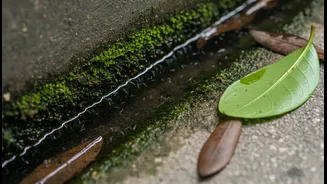
The concept of a pest “breeding loop” sounds complex, but it’s a simple and dangerous cycle that starts with a single blockage. When leaves, dust, and other debris clog your balcony’s drainage channel, rainwater has nowhere to go. This stagnant water is the single most
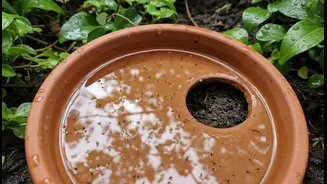
important ingredient mosquitoes need to reproduce. A female mosquito can lay hundreds of eggs in a pool of water as small as a bottle cap. In the warm, humid conditions of the Indian monsoon, these eggs can hatch into larvae and develop into adult mosquitoes in just a matter of days. These new mosquitoes then lay more eggs in the same stagnant water, creating a continuous, self-sustaining breeding ground just outside your window.
The Unwanted Guests Monsoon Invites
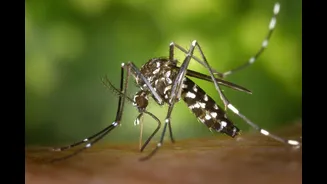
Mosquitoes are the most significant health threat breeding in stagnant balcony water. The Aedes aegypti mosquito, a daytime biter responsible for spreading dengue, chikungunya, and Zika, thrives in these small, man-made water collections. The Anopheles mosquito, which transmits malaria, is also a risk. But they aren't the only pests attracted to a damp, dirty balcony. Clogged drains accumulate decaying organic matter like wet leaves and soil, which is an ideal food source and shelter for cockroaches. The constant moisture and lack of airflow in a blocked drain area also attract drain flies and other insects seeking refuge from heavy rains.
Health Risks Hiding in Plain Sight
A clogged drain isn't just an eyesore; it's a direct threat to your family's health. The monsoon season in India regularly sees a spike in dangerous vector-borne diseases. Dengue can cause high fever, severe joint and muscle pain, and in serious cases, lead to a life-threatening condition. Chikungunya presents with debilitating joint pain that can persist for months. Malaria, another serious risk, brings fever, chills, and flu-like symptoms that can become severe if left untreated. Allowing mosquitoes to breed on your balcony means you are increasing the risk of exposure to these illnesses with every passing day. Taking a few minutes to clean your drains is one of the most effective preventative measures you can take.
Your Simple Five-Step Cleaning Guide
Breaking the pest breeding loop is easier than you think. You don't need expensive chemicals, just a few minutes of regular maintenance. First, put on a pair of gloves. Begin by manually removing any large, visible debris like leaves, twigs, and plastic wrappers from the drain opening and surrounding area. Second, use a small, stiff brush or an old toothbrush to scrub the inside of the drain hole and grate, dislodging packed-in mud and grime. Third, prepare a simple cleaning solution. A mix of hot water with a bit of vinegar or dish soap can help break down greasy buildup. Pour it down the drain. For a more physical approach, a drain snake or even a bent wire hanger can be used to clear deeper blockages. Fourth, flush the entire channel with a bucket of clean water to wash away all the loosened debris and ensure water flows freely. Finally, make this a weekly habit during the monsoon to prevent blockages from forming in the first place.
Beyond the Drain: Total Balcony Defence
While the drainage channel is a critical hotspot, a truly pest-free balcony requires a bit more vigilance. Regularly check for and empty any other items that collect rainwater. This includes trays under flower pots, empty buckets, old tires, or even children's toys left outside. Ensure these items are either removed, stored away, or turned upside down. To further deter pests, you can install mesh screens on windows and doors that lead to the balcony. Consider adding plants that act as natural mosquito repellents, such as marigold, lemongrass, mint, and tulsi (holy basil), around your balcony space. These small, proactive steps work together to make your home an unwelcome environment for pests.