



The Deceptively Dangerous Sunbeam
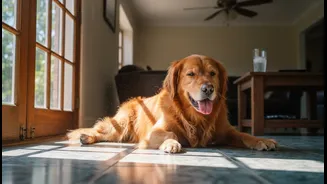
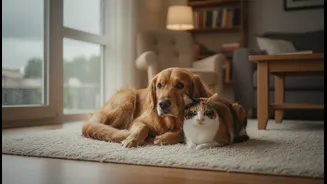
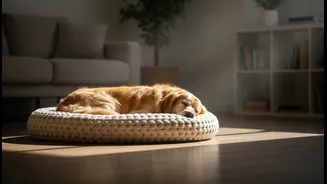
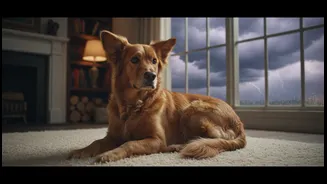
Pets are naturally drawn to warm, sunny spots for a nap. It’s a comforting, instinctual behaviour. However, the glass in your windows can create a greenhouse effect, concentrating the sun's energy and dramatically increasing the temperature in that small
area. A pleasant patch of sun can quickly become dangerously hot, with temperatures spiking 10 to 15 degrees or more compared to the rest of the room. This intense heat puts your pet at a significant risk for overheating and heatstroke, a life-threatening condition that can develop rapidly.
Beyond the Heat: The Invisible Threat of UV Rays
The danger isn't just about the temperature. Standard window glass filters some, but not all, harmful ultraviolet (UV) radiation. Just like in humans, prolonged and repeated exposure to UV rays can cause significant skin damage to pets. This can manifest as sunburn, particularly on sensitive areas with little fur, such as the nose, ear tips, and belly. Over time, this cumulative exposure can increase the risk of developing serious skin conditions, including certain types of skin cancer like squamous cell carcinoma.
Which Pets Are Most at Risk?
While any pet can be affected, some are more vulnerable to both heat and UV damage. Pets with thin or light-coloured fur have less natural protection against the sun. Breeds such as Dalmatians, Boxers, Bull Terriers, Greyhounds, and Whippets are often cited as being at higher risk. Hairless breeds like the Sphynx cat or Chinese Crested dog are especially susceptible. Additionally, senior pets, overweight animals, and brachycephalic (flat-faced) breeds like Pugs, Bulldogs, and Persian cats can struggle more with regulating their body temperature, making them more prone to heatstroke.
Smart Solutions for Safe Sunbathing
You don’t have to completely banish your pet from their favourite sunny spots. With a few adjustments, you can make them much safer. Consider applying a UV-blocking window film, which can filter out up to 99% of harmful UV rays and significantly reduce solar heat gain. Sheer curtains can also diffuse direct sunlight. Pay attention to the time of day; the sun is most intense between 10 a.m. and 4 p.m. Encouraging your pet to use spots with morning sun rather than intense afternoon sun can help. Providing alternative comfortable spaces is also key. Ensure your pet always has access to cool, shady areas in the house and plenty of fresh water. Cooling mats or elevated beds can provide a refreshing alternative when the sun gets too strong.
Recognising the Signs of Overheating
Knowing the warning signs of heatstroke is critical for any pet owner. Early symptoms include excessive, heavy panting that doesn't subside, thick drool, and bright red gums. Your pet might become lethargic, weak, or unsteady on their feet. In cats, open-mouth panting is a major red flag. As the condition worsens, you might see vomiting, diarrhoea, confusion, or even collapse and seizures. If you notice any of these signs, it is a medical emergency.