


Beyond Beauty: Why Your Garden Needs Pollinators
The true utility of a garden extends beyond its visual appeal. When we invite pollinators—such as bees, butterflies, birds, and even some flies and bats—we are participating in a vital ecological process. In India, more than half of all cultivated plants
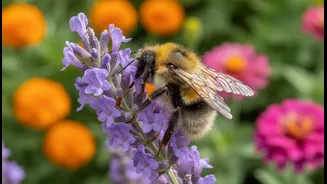
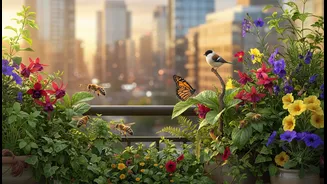
depend on these creatures for pollination to produce fruits, seeds, and nuts. Pollination underpins our food security and biodiversity. By creating a pollinator-friendly garden, you are essentially building a small-scale nature reserve that supports local wildlife, increases the yield of any food plants you might be growing, and contributes to the overall health of the environment. A garden humming with life is not just a pretty sight; it is a functioning ecosystem right outside your door.
Creating a Welcoming Oasis for Pollinators
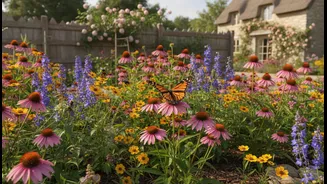
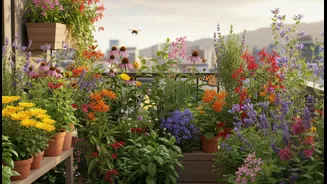
To attract these helpful visitors, you need to think like a pollinator. The key is to provide a complete habitat, which includes food, water, and shelter. The foundation of this is a diverse selection of nectar-rich plants. Aim for variety in colour, shape, and size to attract a wide range of species. Grouping plants in clusters makes them more visible and creates an inviting landing zone for insects. It is also crucial to provide a source of water, like a shallow dish with pebbles or stones, which allows insects to drink safely without drowning. Finally, and most importantly, avoid using chemical pesticides. These products can be lethal to pollinators and will undermine your efforts to create a safe haven. Natural alternatives like neem oil can manage pests without harming your welcome guests.
Essential Flowers to Attract Bees and Butterflies
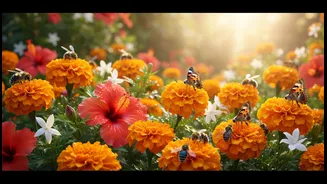
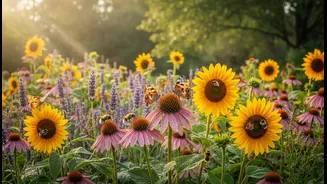
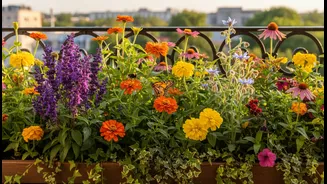
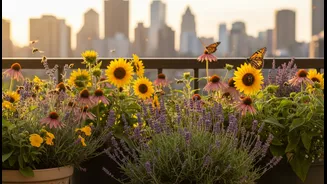
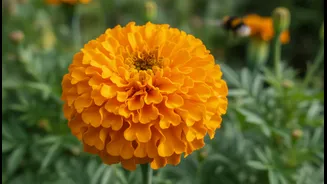
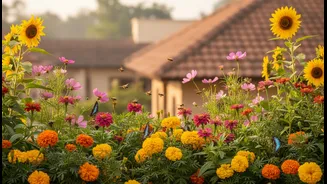
Choosing the right flowers is the most exciting part of building your pollinator paradise. Many vibrant, low-maintenance plants thrive in Indian climates and are irresistible to pollinators. Marigolds (Genda) are a fantastic choice; their bright, nectar-rich flowers are a favourite among bees. Sunflowers, with their large, seed-filled heads, provide a feast for both bees and birds. The fragrant allure of Jasmine (Chameli) is a powerful draw for many types of pollinators. For a splash of dramatic colour, Hibiscus (Gudhal) offers abundant nectar that attracts bees and butterflies alike. These common, easy-to-grow flowers form the backbone of a successful pollinator garden.
Adding Hardy Shrubs and Perennials
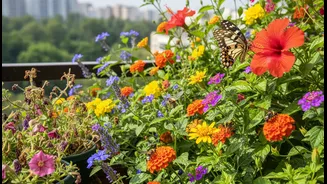
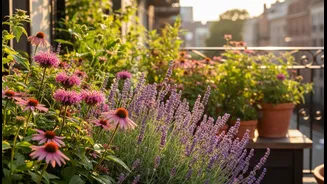
To ensure your garden provides for pollinators year-round, incorporate a mix of shrubs and perennials that bloom at different times. Lantana is an excellent, hardy choice with colourful flower clusters that are a magnet for butterflies. Similarly, the humble Periwinkle (Sadabahar) is a nectar-rich, low-maintenance option perfect for sunny spots. Bougainvillea, known for its vibrant bracts, also offers nectar that attracts both bees and butterflies. Including herbs like Basil (Tulsi), Mint, and Lavender not only adds fragrance and utility to your kitchen but their small flowers are also highly attractive to bees. This layered approach ensures a continuous food supply, keeping your garden buzzing through the seasons.
Going the Extra Mile: Providing Shelter
A truly useful pollinator garden offers more than just food. It also provides shelter from predators and the elements. Solitary bees, which are important pollinators for vegetables like brinjal and tomato, need safe places to nest. You can easily create this shelter by leaving some areas of bare soil for ground-nesting species or by building or buying a 'bee hotel'. These structures, which can be made from hollow bamboo sticks, drilled wooden blocks, or other natural materials, provide cavities for solitary bees to lay their eggs. Adding dense shrubs or a small pile of logs and twigs can also offer protection and overwintering spots for various insects, making your garden a true sanctuary.