







The Six-Month Passport Rule Explained
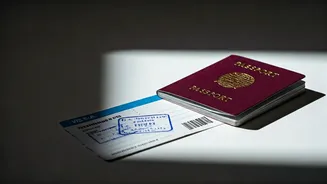
The most important rule for any traveller from India heading to the United Arab Emirates is the six-month passport validity requirement. Immigration authorities across the UAE mandate that your passport must be valid for a minimum of six months from your date of arrival.
For example, if you are scheduled to land in Dubai on December 1, 2026, your passport cannot expire anytime before June 1, 2027. This is not a suggestion but a firm regulation enforced by both airlines and UAE immigration officials. This rule applies universally, whether you are entering Dubai, Abu Dhabi, Sharjah, or any other emirate, and it covers all types of visas, including tourist, business, and transit visas where you intend to leave the airport.
Why This Rule Is Strictly Enforced
The six-month rule is a global standard designed to protect both travellers and the destination country. Its primary purpose is to ensure that you do not become stranded in a foreign country with an expired travel document, which would create a complicated legal situation. Airlines are held responsible for ensuring passengers comply with the entry requirements of their destination. Consequently, airline staff will rigorously check your passport’s expiry date at the check-in counter. If your passport has less than six months of validity, you will almost certainly be denied boarding at your departure airport in India. Should you somehow manage to board, immigration officers in the UAE have the full authority to deny you entry and put you on the next flight back to your point of origin.
Visa Validity vs. Passport Validity
It’s important not to confuse visa validity with passport validity. Your UAE visa will have its own period of validity—for instance, 30 or 60 days from the date of issue. However, to even apply for a visa, your passport must meet the six-month validity requirement. Indian citizens require a pre-arranged visa to enter the UAE. An exception exists for those holding a valid visa or residence permit from the USA, UK, or EU, among a few other countries; they may be eligible for a 14-day visa on arrival. However, even in this scenario, both the Indian passport and the qualifying visa (e.g., the US visa) must be valid for at least six months from the date of entry into the UAE.
Your Pre-Travel Document Checklist
To avoid any last-minute surprises, run through this simple checklist a few weeks before your travel date: 1. Passport Expiry Date: Check your passport’s expiry date immediately. Count six full months from your planned arrival date in the UAE. If your passport falls short, you must renew it. 2. Visa Status: Ensure your UAE visa is approved and that the details on it are correct. Carry a printout or digital copy. 3. Return Tickets: Have confirmed return or onward flight tickets, as immigration officials may ask for proof that you intend to leave the country within your visa's permitted duration. 4. Accommodation Proof: Keep your hotel booking confirmations or details of your place of stay handy. 5. New Health Declaration for Return to India: As of mid-2026, travellers flying from the UAE back to India must fill out a mandatory online health declaration form on the Air Suvidha portal. This is a recent requirement in response to a global health emergency declaration and should be completed before boarding your flight back home.
What to Do If Your Passport Is Expiring
If you discover that your passport does not meet the six-month validity rule, the only solution is to renew it. Do not risk travelling with a passport that is close to expiring. The passport renewal process in India can take several weeks, so it is crucial to apply for a new passport well in advance of your planned trip. Visit the official Passport Seva portal to begin the application process. Expedited services (Tatkaal) may be available for a faster turnaround, but planning ahead is always the safest and most cost-effective option. Postponing your trip until after your new passport arrives is a far better alternative than being denied travel at the airport.