



Spain's world-renowned landmarks are a victim of their own success. The very attractions that draw millions are now groaning under the weight of their popularity, prompting a nationwide debate on how to balance a vital industry with livability.
The Paradox of Popularity
For decades,
tourism has been a cornerstone of the Spanish economy, contributing over 12% to its GDP. With visitor numbers potentially reaching 100 million a year, the country has become one of the world's top travel destinations. But this success has come at a cost. In cities like Barcelona, Seville, and across the Balearic Islands, a phenomenon known as 'overtourism' has moved from a quiet concern to a national crisis. The sheer volume of visitors is straining public services, causing environmental damage, and, most critically, pushing out local residents who find their neighbourhoods transformed and their housing costs spiralling. Intense protests have erupted, with locals arguing that unchecked tourism is destroying the very culture that visitors come to experience.
Barcelona: The Epicentre of 'Tourism-phobia'
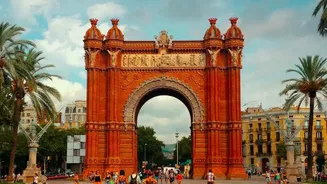
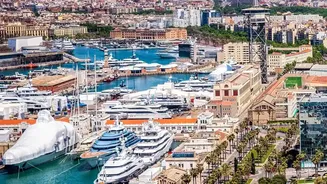
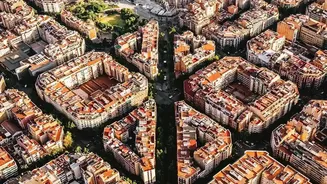
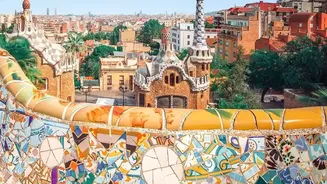
No city exemplifies this struggle more than Barcelona. Home to Gaudí's architectural wonders, it attracts millions annually. The Sagrada Família, for instance, anticipates seven million visitors in 2026 alone, leading to strict rules on visitor behaviour, mandatory pre-booking, and even designated 'quiet hours' to preserve a sense of sanctity. But the problem extends beyond individual sites. City officials have become so concerned with overcrowding and its impact on residents that they have adopted a stark message: 'Not one tourist more'. Measures are becoming increasingly stringent, including a moratorium on new hotel construction and a plan to eliminate all unlicensed short-term tourist apartments. Cruise passengers face higher taxes, and regulations against disruptive behaviour are being strictly enforced, signalling a definitive shift from promoting tourism to actively managing it.
Seville's Stand at Plaza de España
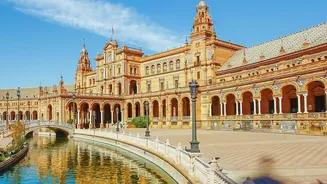
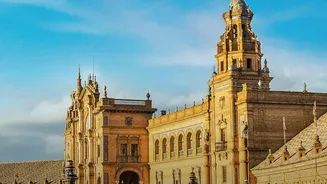
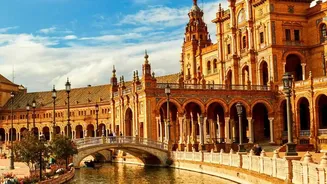
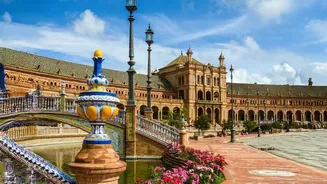
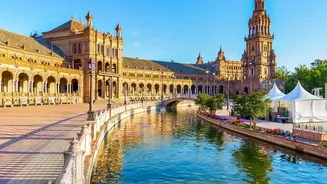
The issue is not confined to Catalonia. In the heart of Andalusia, Seville's magnificent Plaza de España has become a flashpoint. For decades, this sprawling, picturesque complex has been a beloved public space, free for all to enter. However, the city's mayor has announced plans to charge tourists an entry fee to fund the monument's conservation and security. While locals would retain free access, the proposal has sparked a fierce debate about the privatisation of public space. Critics argue it addresses a symptom, not the cause, of overcrowding that strains the entire city. Nevertheless, it represents a significant step, turning a traditionally open landmark into a ticketed attraction to manage the overwhelming footfall.
A Nationwide Push for Sustainability
Across Spain, authorities are rolling out a wave of new regulations aimed at creating a more sustainable tourism model. In the Balearic Islands, 'tourism of excesses' laws are in effect, banning pub crawls and limiting alcohol sales in party hotspots like Ibiza and Magaluf. On the mainland, fines are issued for seemingly minor infractions like wearing swimwear on city streets or driving in flip-flops. Eco-taxes are being raised, and visitor caps are being introduced in protected natural zones, such as the dunes in Gran Canaria. The strategy is clear: Spain is attempting to pivot from a model based on volume to one focused on value and sustainability. The government is actively promoting lesser-known regions and off-season travel, hoping to spread tourists out and alleviate pressure on the overburdened hotspots.